








أجهزة الاستشعار الميكانيكية مقابل أجهزة الاستشعار الرقمية في آلات الألعاب الحديثة التي تعمل بدفع العملات المعدنية
تقيّم هذه المقالة التحول من المفاتيح الميكانيكية التقليدية إلى أجهزة الاستشعار الرقمية في آلات الألعاب التي تعمل بدفع العملات المعدنية، مع تسليط الضوء على فوائد الدقة وتقليل التآكل الميكانيكي.
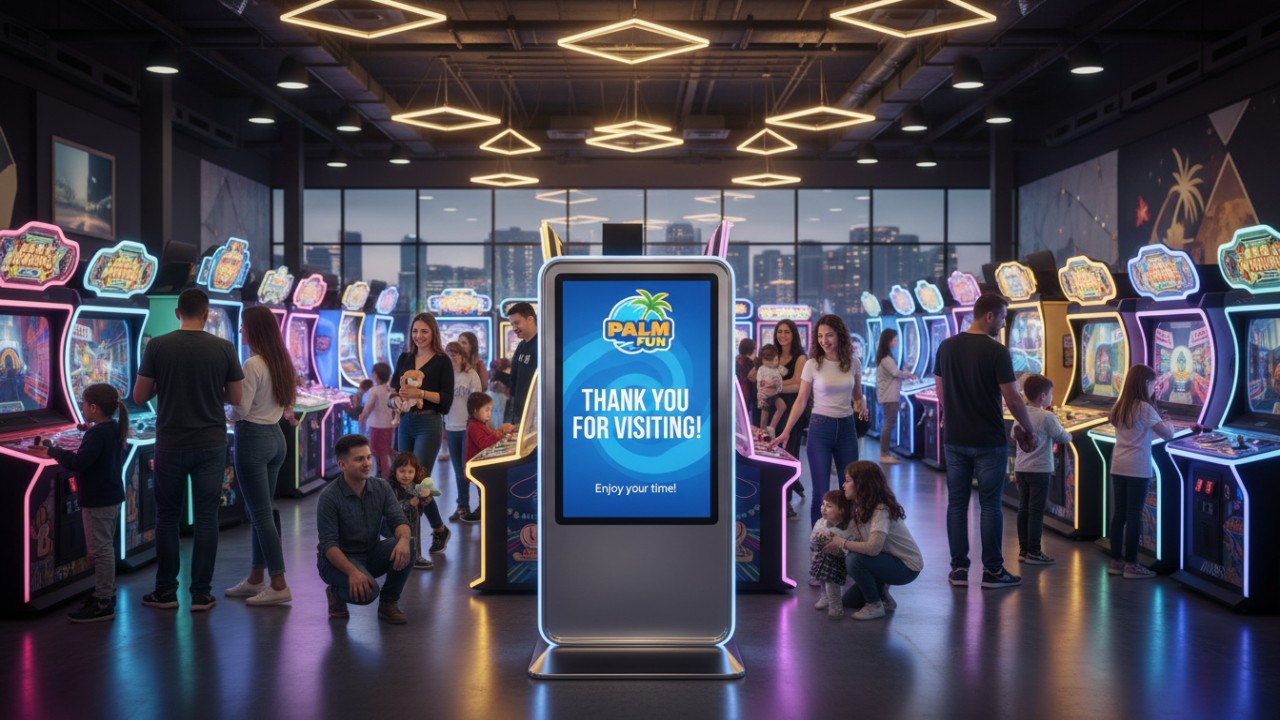
في تطور صناعة الترفيه، أعاد الانتقال من النظام التناظري إلى الرقمي تعريف كيفية إدارة المشغلين لصالاتهم. ويتجلى هذا بوضوح في تقنية الاستشعار المستخدمة لكشف الفوز ومنع الغش. فهم هذا التحول نحوأجهزة استشعار رقمية في آلات ألعاب دفع العملات المعدنيةيُعدّ هذا الأمر ضروريًا لأي مشغل يسعى إلى زيادة وقت التشغيل إلى أقصى حد وضمان إيراداته. فبينما خدمتنا الأنظمة الميكانيكية لعقود، دفعت متطلبات الأماكن الحديثة ذات الحركة المرورية العالية التكنولوجيا نحو حلول أكثر تطورًا لا تتطلب التلامس.
1. إرث أجهزة الاستشعار الميكانيكية: البساطة مقابل التآكل
لسنوات طويلة، اعتمدت الصناعة على البندولات الميكانيكية المائلة والمفاتيح الدقيقة. تعمل هذه الأنظمة عن طريق التلامس المادي - فعند مرور عملة معدنية عبر بوابة، يتم تشغيل رافعة، أو عند اصطدام ثقل متأرجح بحلقة معدنية للكشف عن الميل.
على الرغم من كونها اقتصادية، إلا أن المكونات الميكانيكية تعاني من عيب كبير: الاحتكاك والتآكل. فمع آلاف مرات الاستخدام، تفقد النوابض مرونتها وتتأكسد نقاط التلامس. وهذا يؤدي إلى "انحرافات وهمية" أو، على العكس، إلى عدم اكتشاف العبث الفعلي. علاوة على ذلك، يسهل التلاعب بالمفاتيح الميكانيكية عن طريق الاهتزازات الخارجية أو الحيل المادية الذكية، مما يجعلها أقل فعالية في مواجهة التقنيات الحديثة.تقنية استشعار آلات الألعابمتطلبات.
2. ظهور أجهزة الاستشعار الرقمية في آلات الألعاب التي تعمل بدفع العملات المعدنية
استبدلت الخزائن الحديثة إلى حد كبير الأذرع المادية بالضوء والمجالات المغناطيسية. تطبيقأجهزة استشعار رقمية في آلات ألعاب دفع العملات المعدنيةيتضمن ذلك عادةً استخدام أشعة تحت الحمراء ومقاييس تسارع رقمية ثلاثية المحاور.
تكتشف مستشعرات الأشعة تحت الحمراء الرقمية العملات المعدنية عن طريق قطع شعاع ضوئي. ولعدم وجود أجزاء متحركة، لا يوجد تآكل مادي، مما يضمن اكتشاف العملة المليون بدقة مماثلة للعملة الأولى. علاوة على ذلك، يمكن برمجة مقاييس التسارع الرقمية للتمييز بين "دفعة خفيفة" و"هزة عنيفة". هذا المستوى من الدقة هو السمة المميزة لـتصنيع معدات ترفيهية موثوقةمما يسمح ببيئة لعب عادلة تحمي أرباح المشغل دون إحباط اللاعبين الشرفاء.
3. مقارنة الدقة ومنع الاحتيال
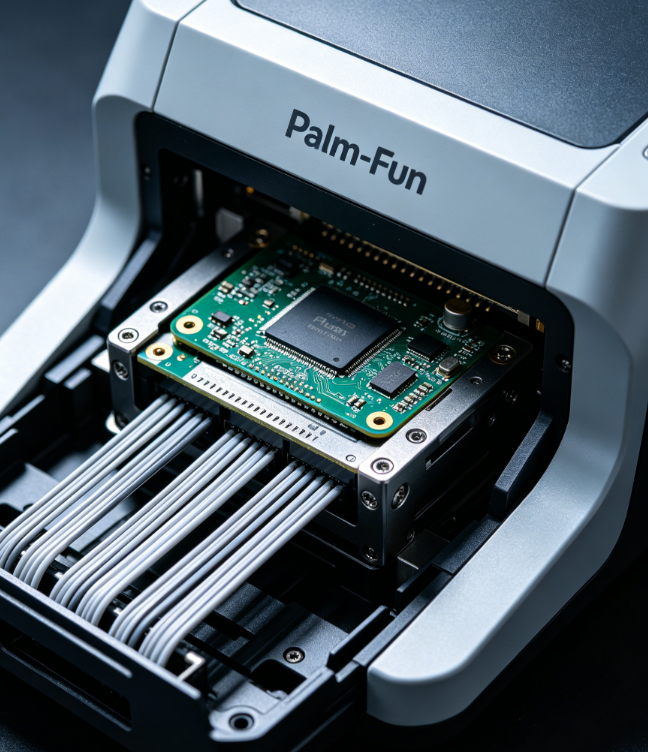
الميزة الأساسية لـأجهزة استشعار رقمية في آلات ألعاب دفع العملات المعدنيةتكمن أهميتها في مقاومتها للتلاعب. غالبًا ما تكون مستشعرات الميل الميكانيكية ثنائية - إما "تشغيل" أو "إيقاف". أما المستشعرات الرقمية، فتُوفر بيانات. إذ يُمكنها قياس القوة الدقيقة للصدمة أو السرعة المحددة للعملة المعدنية.
متعة النخيلتُعدّ هذه الشركة رائدةً في قطاع ألعاب الاسترداد، حيث تُدمج مصفوفات رقمية عالية الحساسية في تصميمات آلات دفع العملات المعدنية. وبفضل استخدام لوحات منطقية ذكية، تستطيع آلاتها تصفية الضوضاء المحيطة والتركيز كليًا على أحداث اللعبة المشروعة. تضمن هذه الميزة التقنية بقاء منتجاتها عنصرًا أساسيًا في مراكز الترفيه العائلي الراقية حول العالم. ويُجسّد التزامها بالجودة العالية التزامها بالتميز.تقنية استشعار آلات الألعابوهذا يعني عددًا أقل من طلبات الصيانة ودرجة أعلى بكثير من "النزاهة الميكانيكية" أثناء اللعب.
4. الصيانة وطول العمر في الأماكن ذات الحركة المرورية العالية
في صالة ألعاب مزدحمة، تُعدّ الآلة المعطلة مصدر إزعاج. تتطلب المستشعرات الميكانيكية معايرة دورية وتنظيفًا لأسطح التلامس. على النقيض من ذلك،أجهزة استشعار رقمية في آلات ألعاب دفع العملات المعدنيةغالباً ما تكون "اضبطها وانساها".
على الرغم من أن الغبار قد يتداخل أحيانًا مع المستشعرات البصرية، إلا أن التصاميم الحديثة تتضمن أغلفة ذاتية التنظيف أو محمية تقلل من هذا الخطر. إن التحول نحو التقنية الرقمية لا يقتصر على الميزات الفاخرة فحسب، بل يتعلق أيضًا بالالتزام بـتصنيع معدات ترفيهية موثوقةوهذا يقلل من التكلفة الإجمالية للملكية على مدى عمر الجهاز.
خاتمة
يُعدّ الخيار بين التكنولوجيا الميكانيكية والرقمية واضحًا للمشغل الحديث. فبينما لا تزال للأنظمة الميكانيكية مكانتها في عمليات ترميم الآلات القديمة،أجهزة استشعار رقمية في آلات ألعاب دفع العملات المعدنيةتوفير الدقة والأمان والموثوقية المطلوبة في بيئة الترفيه التنافسية اليوم.
متعة النخيلتُعدّ بالم-فن شركة رائدة في تطوير أجهزة الألعاب عالية الجودة، متخصصة في ألعاب الجوائز التي تجمع بين متعة الألعاب الكلاسيكية وأحدث تقنيات الأمان الرقمي. وبتركيزها على المتانة الميكانيكية وتكامل أجهزة الاستشعار الذكية، تضمن بالم-فن أن يكون كل جهاز إضافة قيّمة لأعمالك.احمِ إيراداتك وقدّم تجربة لعب فائقة - تفضل بزيارة Palm-Fun اليوم لاستكشاف تقنية دفع العملات المبتكرة لدينا واكتشف لماذا نحن الشريك المفضل لمراكز الترفيه العائلية على مستوى العالم.
التعليمات
هل تستطيع أجهزة الاستشعار الرقمية منع جميع أنواع الغش؟
لا يوجد نظام مضمون بنسبة 100%، لكن تقنية أجهزة الاستشعار في آلات الألعاب الرقمية متفوقة بشكل كبير في اكتشاف المغناطيسات والتشابكات ومناورات الإمالة المعقدة التي قد تفشل فيها المفاتيح الميكانيكية التقليدية.
هل تتطلب أجهزة الاستشعار الرقمية تحديثات برمجية؟
في الآلات المتطورة، يمكن تحديث منطق المستشعر غالبًا عبر البرامج الثابتة. وهذا يسمح للمصنعين بتعديل إعدادات الحساسية بناءً على ملاحظات المشغلين في الواقع العملي، وهو مستوى من المرونة غير ممكن مع الأنظمة الميكانيكية.
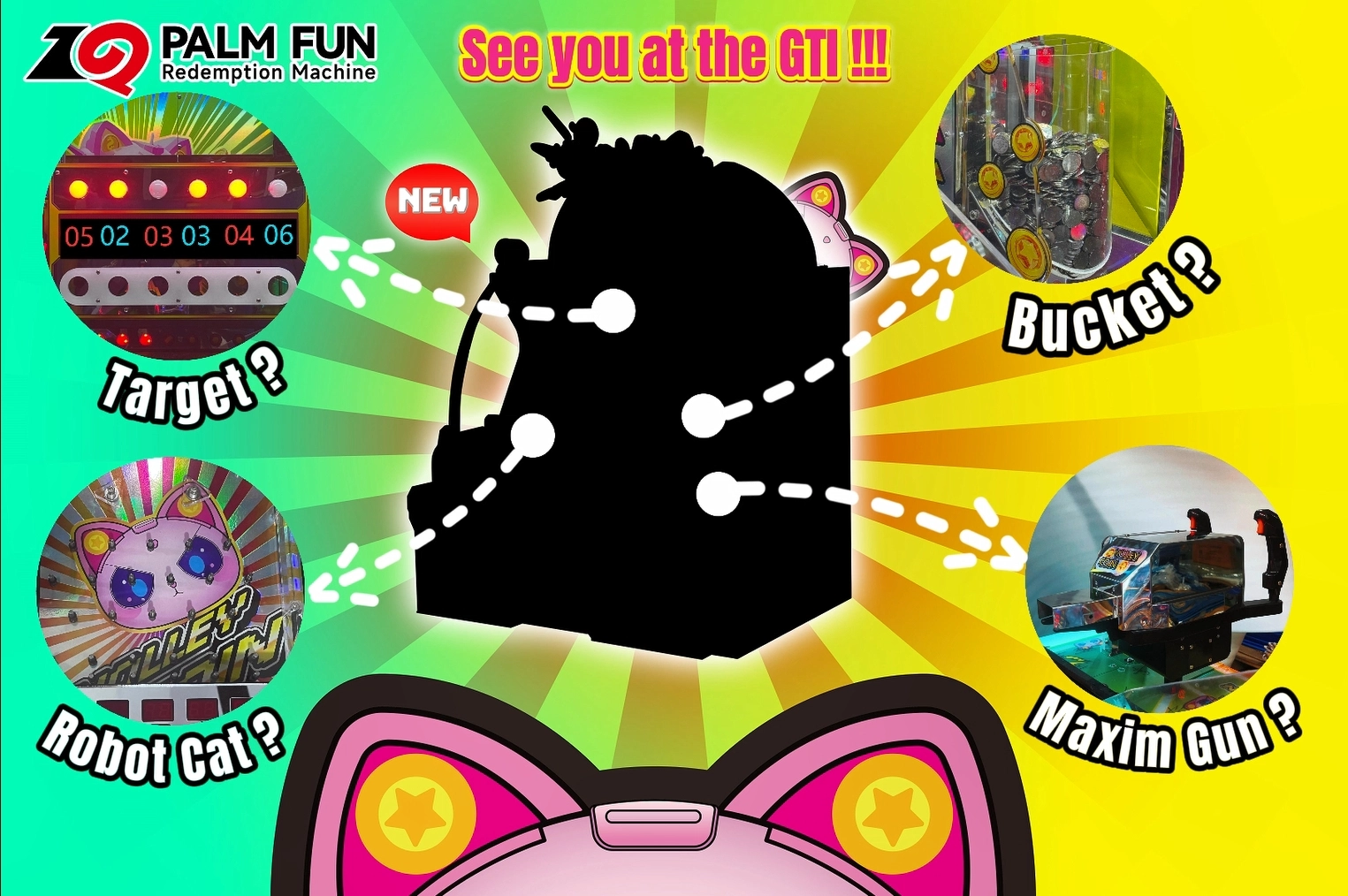
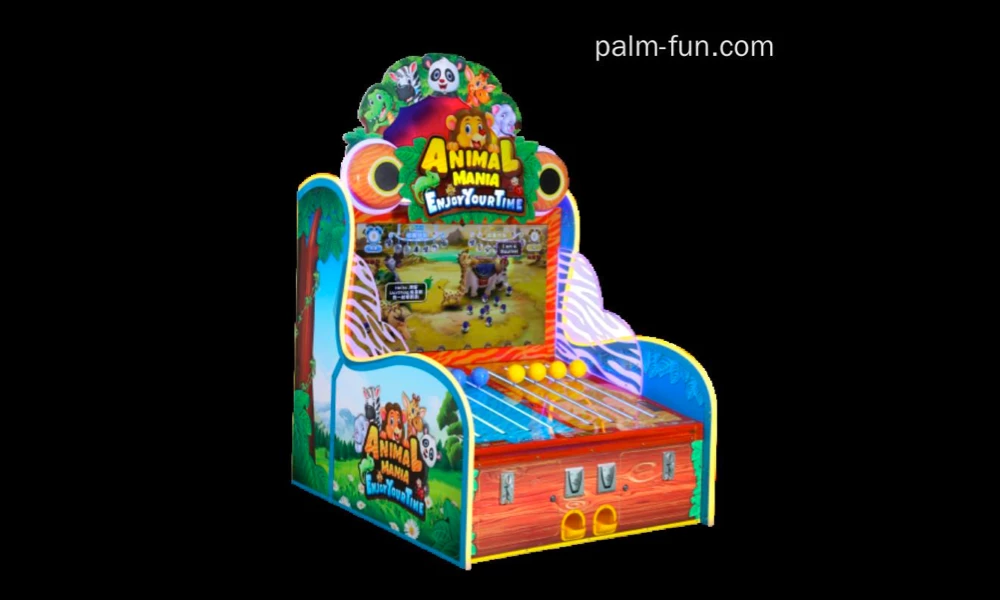
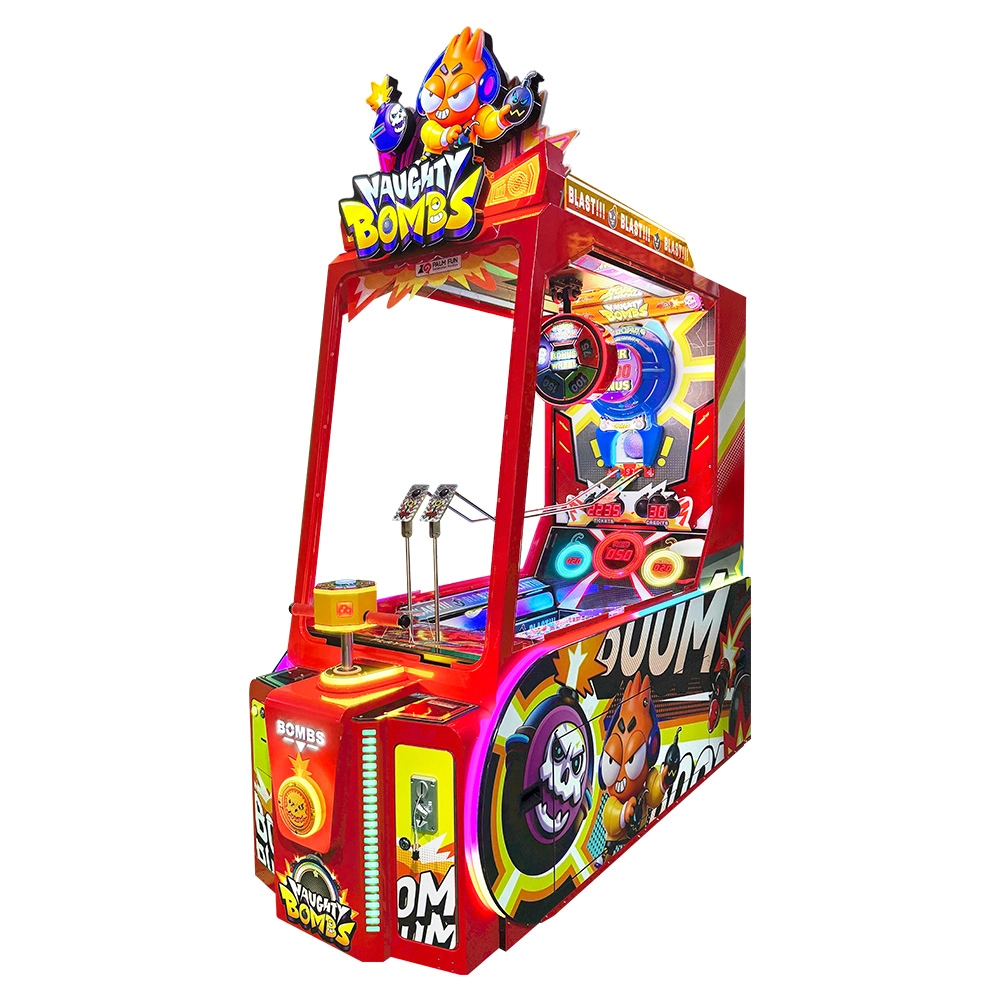
لعبة "قنابل مشاغبة" هي لعبة أركيد مثيرة تعتمد على نظام الجوائز، مصممة لجذب الانتباه وتشجيع اللاعبين على العودة مرارًا وتكرارًا. تتميز اللعبة بهيكل أحمر زاهٍ، وإضاءة ديناميكية، ومؤثرات صوتية ممتعة، وأسلوب لعب تفاعلي يعتمد على دحرجة الكرات، مما يوفر متعة متواصلة في مساحة صغيرة. يختبر اللاعبون مهاراتهم في التوقيت من خلال إطلاق الكرات وإسقاطها على أهداف ملونة لفتح مكافآت إضافية مفاجئة وجوائز تذاكر. بفضل آلياتها سهلة التعلم، وحركتها الممتعة القائمة على المهارة، وجاذبيتها البصرية الرائعة، تُعد "قنابل مشاغبة" خيارًا مثاليًا لصالات الألعاب، ومراكز الترفيه العائلي، وأماكن الترفيه التي تسعى إلى تعزيز تفاعل اللاعبين وزيادة الإيرادات.
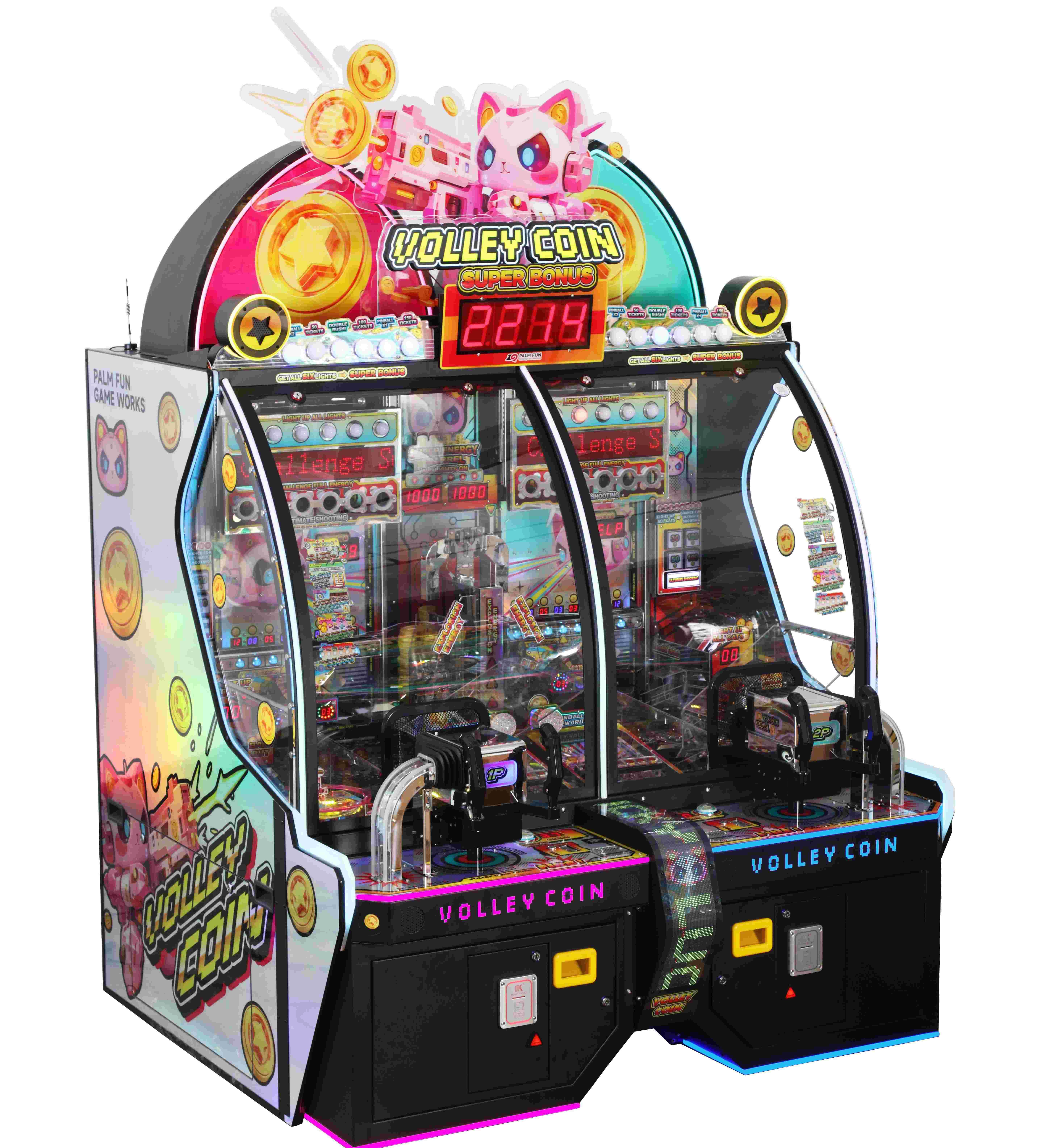
فولي كوين هي آلة مبتكرة لاستبدال تذاكر الألعاب الإلكترونية، طورتها شركة بالم فن إلكترونيكس. تجمع فولي كوين بين إثارة ألعاب إطلاق العملات المعدنية السريعة وقوة الربح المؤكدة لآلات دفع العملات المعدنية التقليدية، مما يوفر تجربة لعب جديدة وممتعة تناسب اللاعبين من جميع الأعمار.
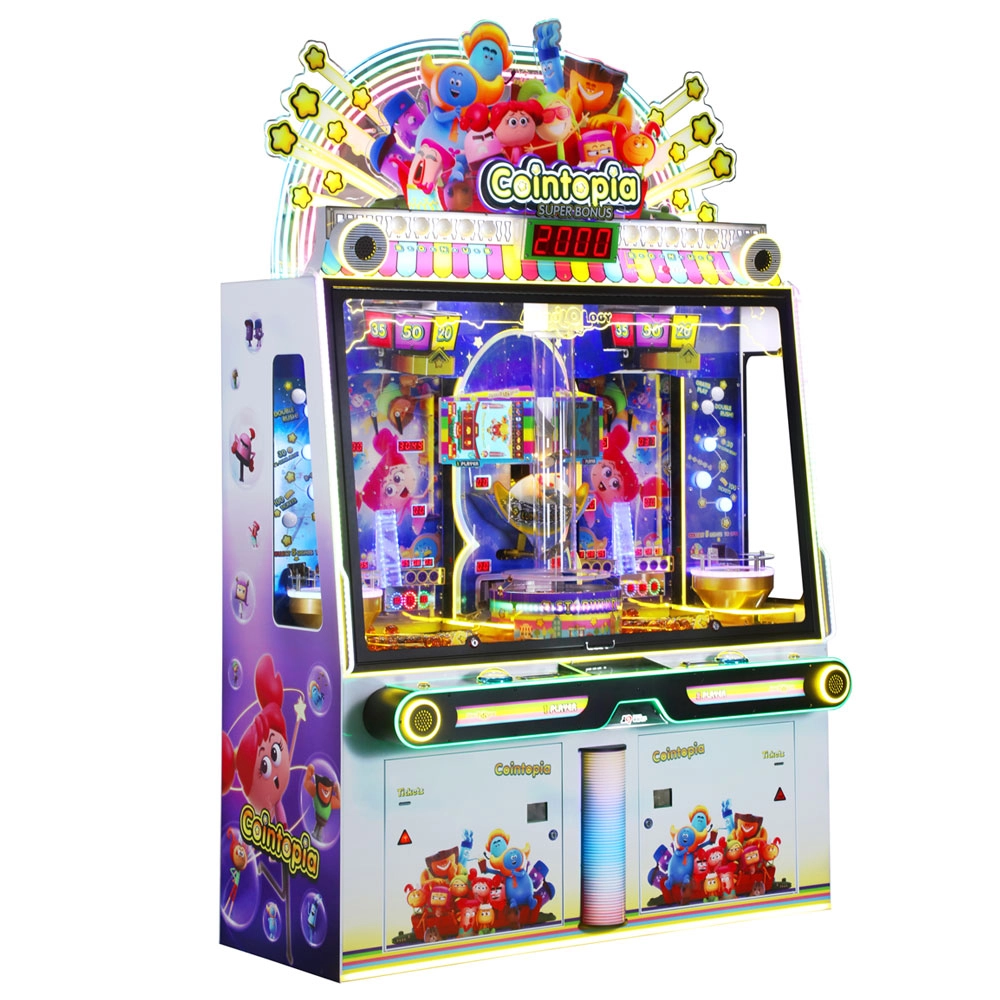
كوينتوبيا من بالم فن هي لعبة استرداد مثيرة، حيث يستمتع اللاعبون مع رفاق الأبراج في أجواء مثالية. تقدم هذه اللعبة تجربة لعب شيقة وتجارب مجزية، وهي مثالية لمراكز الترفيه العائلية وصالات الألعاب التي تبحث عن ألعاب استرداد عالية الجودة.
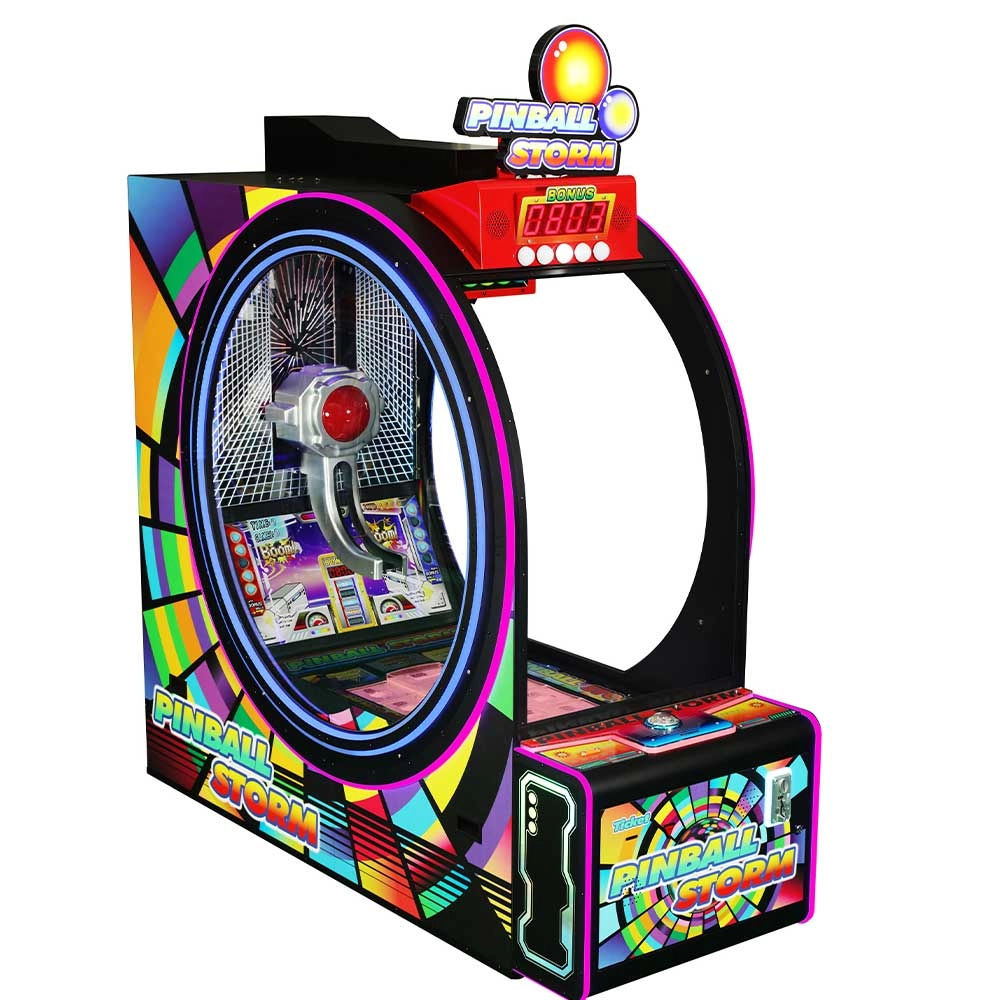
لعبة البينبول الكلاسيكية بمفهوم جديد! اضرب، ارتد، واربح جوائز. فعّل عاصفة البينبول لانطلاقة كروية ملحمية!

جميع الحقوق محفوظة © 2026 لشركة بالم فن.سياسة الخصوصية•الشروط والأحكام|خريطة الموقع
بالمفوناركيد
لعبة أركيد بالم فن
واتساب: +8618126837443
أركيد بالم فن
بالم فن_أركيد
ماكينة استرداد PALM FUN