







Señales del mercado: tendencias de la demanda y modelos de máquinas expendedoras de monedas más vendidos
- La demanda comercial influye en las atracciones de canje de monedas.
- Resultados visibles y bajas barreras de aprendizaje.
- Diseño compacto y disposición modular.
- Interacción híbrida y flexibilidad de canje
- Perfiles de modelos más vendidos y puntos de referencia para la adquisición de productos
- Empujadores de estantes mecánicos clásicos
- Gabinetes de canje híbridos con múltiples funciones
- Formatos de caída de bola, personajes y temáticas
- Cómo PALM FUN convierte las señales del mercado en equipos comerciales
- Capacidad de ingeniería y fabricación
- Gama de productos para diversas estrategias de espacios
- Prioridades en materia de colaboración internacional y calidad
- Lista de verificación de adquisiciones para una implementación rentable de una sala de juegos
- Validar las suposiciones de ingresos antes de la compra.
- Controlar la calidad, el cumplimiento y el riesgo del servicio.
- Construya una combinación de equipos equilibrada.
- Preguntas frecuentes
Las máquinas tragamonedas siguen atrayendo la atención comercial gracias a su combinación de reglas sencillas, movimiento físico visible, posibilidad de juego repetido y un sistema de canje claro. En centros de entretenimiento familiar, centros comerciales, parques de atracciones cubiertos y salones recreativos independientes, la mayor demanda se concentra en modelos que generan una emoción visual inmediata y, a la vez, son fáciles de entender para quienes las usan por primera vez. La tendencia actual del mercado no se limita a la demanda de gabinetes más grandes, sino que busca atracciones confiables y que optimicen el espacio, que permitan una alta utilización, costos operativos controlados y configuraciones de premios o boletos adaptables.
Los compradores que evalúan un nuevo local de entretenimiento deben considerar la demanda del producto junto con la viabilidad económica del lugar. Una máquina puede ser popular en una demostración en una feria, pero tener un rendimiento deficiente si ocupa demasiado espacio, su sistema de manejo de monedas es poco fiable o su acceso para el servicio es deficiente. Por el contrario, un mueble bien diseñado con un tamaño compacto, un tablero de juego duradero, iluminación eficiente y componentes accesibles puede aportar un valor constante durante un ciclo de funcionamiento más prolongado. La decisión de compra correcta vincula el atractivo para el jugador con el rendimiento, el mantenimiento, el cumplimiento de las normativas y el coste total de propiedad.
La demanda comercial influye en las atracciones de canje de monedas.
Resultados visibles y bajas barreras de aprendizaje.
Los equipos de entretenimiento más resistentes suelen comunicar su mecánica de juego en cuestión de segundos. Un estante móvil, fichas que caen en cascada, bolas que descienden, objetivos de bonificación y premios visibles ofrecen a los clientes un motivo para observar antes de decidirse a jugar. Esto es especialmente importante en entornos de mucho tránsito, donde los visitantes toman decisiones rápidas basándose en el sonido, la iluminación, el movimiento de la máquina y la aparente imparcialidad del sistema de recompensas.
Las máquinas de empujar monedas se benefician de esta transparencia, ya que el jugador puede ver cómo influye cada ficha insertada en el tablero de juego. Los modelos con zonas de bonificación progresivas o una interacción de habilidad secundaria pueden aumentar la diversión sin necesidad de un tutorial complejo. No obstante, los compradores deben confirmar que la lógica de recompensas sea comprensible y que la máquina no genere expectativas engañosas sobre resultados garantizados. Las instrucciones de funcionamiento claras y la comunicación de premios adecuada al contexto local ayudan a proteger la reputación del establecimiento.
Diseño compacto y disposición modular.
Los alquileres comerciales y las limitaciones de espacio están impulsando a los operadores a optar por equipos que ofrezcan un mayor atractivo por metro cuadrado. Una máquina recreativa compacta para dos jugadores puede ser adecuada para un quiosco en un centro comercial, mientras que una máquina más grande, con múltiples conexiones o funciones, puede encajar mejor en un centro de entretenimiento con un mayor tiempo de permanencia. El formato más vendido en un lugar no es automáticamente la mejor inversión en otro; la ubicación, el perfil de edad de los clientes, la duración media de la visita y el comportamiento de las colas son factores importantes.
Antes de realizar el pedido, los responsables del proyecto deben planificar el funcionamiento completo de la máquina, no solo sus dimensiones. El plan debe incluir el espacio libre para los jugadores, el acceso de servicio trasero, el cableado eléctrico, la recolección de monedas, la reposición de boletos, la ventilación y el movimiento seguro del personal. Una máquina que cabe en el papel pero que obstaculiza el paso puede reducir el rendimiento de las atracciones vecinas y generar costos de instalación innecesarios.
Interacción híbrida y flexibilidad de canje
La demanda se inclina cada vez más por los juegos híbridos. Un mecanismo de empuje de fichas combinado con disparos, caída de bolas, sincronización de botones, puntuación digital o una rueda de bonificación puede generar una participación más activa, manteniendo al mismo tiempo la familiar experiencia de recompensa física. Este enfoque amplía el público: los jugadores más jóvenes pueden responder a los efectos animados, mientras que los adultos pueden preferir la anticipación táctil de una bandeja móvil y un premio mayor visible.
La configuración de los boletos es otro factor comercial importante. Los operadores pueden necesitar valores de boleto ajustables, integración sin boleto, emisión de cupones o compatibilidad con un sistema de tarjetas para todo el recinto. Los proveedores deben explicar qué ajustes se pueden configurar durante la instalación, cuáles requieren acceso técnico y cuáles están predefinidos por el sistema de control. Los compradores deben solicitar una explicación por escrito de la lógica de pago, los sensores de boletos, el manejo de errores y los procedimientos de recuperación antes de aprobar una compra.
Perfiles de modelos más vendidos y puntos de referencia para la adquisición de productos
Empujadores de estantes mecánicos clásicos
La máquina tragamonedas tradicional sigue siendo una opción confiable cuando el operador busca una experiencia sencilla, atractivo para un público de todas las edades y procedimientos de mantenimiento conocidos. Sus ventajas comerciales incluyen una mecánica de juego fácil de entender, buena visibilidad a distancia y un bucle de juego mecánico que puede funcionar sin una infraestructura de red compleja. Estas unidades suelen ser apropiadas para establecimientos familiares que necesitan varias máquinas con una lógica de funcionamiento consistente.
Los equipos de compras deben inspeccionar la calidad de la placa de empuje, la trayectoria de las fichas, el conjunto del motor, los cojinetes, la ubicación de los sensores, los módulos de iluminación y los paneles de acceso. El diseño debe evitar la acumulación excesiva de fichas en áreas de difícil acceso y permitir a los técnicos solucionar atascos sin desmontar todo el gabinete. Una arquitectura mecánica duradera puede reducir el tiempo de inactividad, pero solo si los procedimientos rutinarios de limpieza y ajuste son prácticos para el personal del recinto.
Gabinetes de canje híbridos con múltiples funciones
Los modelos híbridos añaden una capa de habilidad o entretenimiento al mecanismo de empuje básico.Máquina recreativa de canje de boletos con mecanismo de empuje de monedasPor ejemplo, esta categoría puede resultar atractiva para los operadores que buscan una experiencia más activa que la de un juego de observación pasiva. Disparar, apuntar o interactuar contrarreloj ofrece a los jugadores un mayor control y puede generar más motivos para volver a jugar, siempre que los controles respondan bien y la estructura de recompensas sea fácil de explicar.
Estos gabinetes requieren una revisión técnica más detallada. Los compradores deben verificar la durabilidad de la pantalla o la iluminación, la protección del panel de control, la calidad de los altavoces, el consumo de energía, las opciones de idioma del software y los procedimientos de reemplazo de los módulos electrónicos. Un producto híbrido puede generar un gran atractivo, pero su rendimiento financiero depende de la facilidad de mantenimiento y de la capacidad del proveedor para suministrar componentes compatibles durante la vida útil prevista.
Formatos de caída de bola, personajes y temáticas
Los equipos temáticos utilizan personajes reconocibles, sistemas de color, secuencias animadas o presentaciones narrativas para destacar en un área de entretenimiento concurrida.Máquina recreativa de empuje de monedas de la serie LarvaEl formato ilustra cómo una bola que cae en cascada y una presentación de marca pueden aumentar la diferenciación visual. La ventaja comercial es mayor cuando la temática coincide con el perfil demográfico de los clientes y el entorno de marketing del lugar.
La selección del tema no debe sustituir una evaluación técnica. Los propietarios deben confirmar la calidad del acabado del mueble, la durabilidad de las ilustraciones, la difusión de la luz, la sujeción de las bolas o fichas, el acceso para la limpieza y la disponibilidad de componentes de repuesto de la misma marca. Una máquina visualmente atractiva puede convertirse en un activo débil si las calcomanías se decoloran, los paneles transparentes se rayan con facilidad o las piezas temáticas no se pueden reponer. Los proveedores confiables proporcionan especificaciones que separan los elementos decorativos de los componentes operativos críticos.
| Perfil del modelo | Señal de demanda primaria | Condiciones adecuadas del lugar | Punto de control clave para el comprador | Consideración operativa |
|---|---|---|---|---|
| Empujador de estantes mecánico clásico | Reglas sencillas y atractivo para un público amplio. | Centros familiares, centros comerciales y galerías comerciales con múltiples locales. | Diseño de motor, estante, sensor y acceso para evitar atascos | Limpieza rutinaria y ajuste mecánico |
| Gabinete híbrido de disparo y empuje | Mayor interacción y potencial de rejugabilidad | Locales de entretenimiento de gran altura | Controlar la durabilidad, la configuración del software y las piezas. | Requisitos de servicio electrónico adicionales |
| Caída de la bola o unidad temática de personajes | Diferenciación visual y valor de atracción | Zonas infantiles e instalaciones temáticas | Obras de arte, paneles transparentes y contención | Disponibilidad de componentes del tema |
| Formato multijugador vinculado o de alta calidad | Juego social y mayor espectacularidad | Centros de entretenimiento familiar y grandes salas de juegos | Huella, lógica de red y carga de potencia | Mayor complejidad de instalación y configuración |
La tabla proporciona un marco de adquisición en lugar de una clasificación de ventas universal. Por lo general, no se dispone de datos públicos comparables de ventas globales de unidades para modelos de atracciones individuales, por lo que los compradores responsables deben tratar afirmaciones como "más vendido" o "mayor ganancia" como específicas del proveedor, a menos que estén respaldadas por registros de ventas auditados. El contexto de la industria se puede consultar a través de laAsociación Internacional de Parques de Atracciones y Entretenimiento, mientras que las discusiones sobre seguridad del producto y gestión de riesgos deben estar alineadas con las regulaciones locales aplicables y los estándares reconocidos, tales como:Principios de seguridad de la maquinaria según la norma ISO 12100.
Cómo PALM FUN convierte las señales del mercado en equipos comerciales
Capacidad de ingeniería y fabricación
PALM FUN se fundó en 2015 y se especializa en máquinas de lotería mecánicas de alta calidad, máquinas de empuje de monedas, máquinas de rifa y equipos de juego innovadores. Nuestro trabajo abarca investigación y desarrollo, diseño industrial, producción y ventas, lo que permite a los propietarios de proyectos coordinar la selección de productos y los requisitos de fabricación a través de una organización con amplia experiencia.
Nuestra fábrica de 3000 metros cuadrados cuenta con ingenieros de desarrollo altamente cualificados, dedicados a impulsar la tecnología y mejorar la experiencia del jugador. Esta infraestructura resulta valiosa para los compradores que buscan algo más que una simple imagen de catálogo. Las proporciones del mueble, el movimiento mecánico, el comportamiento de la iluminación, la presentación de las recompensas y el acceso al servicio técnico deben funcionar en conjunto como un sistema comercial. Nuestro enfoque de ingeniería está diseñado para conectar estos detalles con las necesidades reales de cada recinto.
Gama de productos para diversas estrategias de espacios
Evaluadoresmáquina recreativa de pinballLas atracciones pueden utilizar una experiencia de habilidad basada en pelotas para complementar el equipo de canje impulsado por fichas, mientras que unaArcade para un solo jugadorEste formato puede ayudar a llenar zonas más pequeñas o crear estaciones de juego individuales y específicas. Esta mayor variedad facilita la planificación del espacio, en lugar de encasillar cada puesto en una sola categoría de producto.
Nuestro catálogo también incluye máquinas tragamonedas, juegos de canje, máquinas recreativas y máquinas recreativas para la venta a distribuidores y operadores comerciales. La lógica de compra debe comenzar con la experiencia del cliente: atractivo, duración del juego, entrega de recompensas, fidelización y flujo de trabajo del servicio. PALM FUN puede ayudar a los compradores a comparar formatos según el tamaño, el nivel de interacción, la presentación del gabinete y los objetivos de implementación.
Prioridades en materia de colaboración internacional y calidad
Los productos PALM FUN son reconocidos y populares en más de 50 países. La distribución internacional requiere atención al embalaje, las especificaciones eléctricas, la documentación, los repuestos, la comunicación y las condiciones operativas regionales. Estos factores influyen en que una máquina entre en funcionamiento según lo previsto y en que el distribuidor pueda brindar soporte a sus clientes después de la entrega.
Nuestro objetivo es construir alianzas a largo plazo brindando soporte y servicios integrales para mercados de juegos competitivos. Los compradores deben solicitar procedimientos de prueba de fábrica, registros de control de calidad, estándares de embalaje, recomendaciones de repuestos, guía de instalación y términos de garantía como parte del proceso de cotización. Para obtener un perfil de proveedor más amplio, visiteFabricante de máquinas recreativas de canje de alta calidadLa visión de PALM FUN es convertirse en el fabricante líder mundial de máquinas de juegos de canje, con un desarrollo de productos guiado por la demanda del mercado y la experiencia del usuario.
Lista de verificación de adquisiciones para una implementación rentable de una sala de juegos
Validar las suposiciones de ingresos antes de la compra.
Un modelo de proyecto debe estimar las reproducciones diarias, el valor promedio de las transacciones, el costo de los boletos o premios, el tiempo de actividad previsto, el personal, la electricidad, el costo del espacio físico y el mantenimiento. El análisis de sensibilidad es fundamental, ya que el rendimiento varía significativamente entre vacaciones escolares, fines de semana, días laborables y temporadas turísticas. Los compradores deben comparar escenarios conservadores, esperados y optimistas, en lugar de utilizar una única cifra de ingresos promocionales.
Las pruebas de ubicación pueden mejorar la precisión. Un despliegue de prueba, una apertura gradual o una compra por etapas permiten a los operadores medir la tasa de atracción, la conversión de espectadores a jugadores, las sesiones repetidas, el consumo de entradas y las incidencias de servicio. Estas observaciones son más útiles que basarse únicamente en afirmaciones de popularidad de lugares no relacionados.
Controlar la calidad, el cumplimiento y el riesgo del servicio.
Antes del envío, confirme las regulaciones aplicables en materia de electricidad, incendios, importación, pago, premios y entretenimiento en el mercado de destino. Los requisitos varían según la jurisdicción, y un proveedor no puede sustituir la revisión legal local.Guía comercial de la Comisión de Seguridad de Productos de Consumo de EE. UU.es un ejemplo de una fuente autorizada sobre las responsabilidades en materia de seguridad de los productos en los Estados Unidos; los compradores también deben consultar a las autoridades locales y a profesionales cualificados en materia de cumplimiento normativo.
Los criterios de aceptación deben abarcar el estado del mueble, la iluminación, el sonido, el reconocimiento de monedas o fichas, la emisión de boletos, las funciones adicionales, el acceso de emergencia, la documentación y los daños en el embalaje. Una lista de verificación de puesta en marcha por escrito reduce las disputas y proporciona a los técnicos del recinto una base clara para la resolución de problemas futuros. Los proveedores que facilitan diagramas, números de pieza y una comunicación técnica eficaz suelen reducir el riesgo operativo asociado a las compras internacionales.
Construya una combinación de equipos equilibrada.
Un establecimiento exitoso normalmente necesita una variedad de máquinas en lugar de una sola estrella. Las máquinas recreativas mecánicas ofrecen una experiencia de juego repetitiva y accesible, los gabinetes de canje interactivos aumentan la participación y las atracciones basadas en la habilidad diversifican la experiencia del cliente. Combinar gabinetes de diferentes alturas, capacidades de jugadores, temáticas visuales y precios ayuda a evitar la congestión y permite al operador descubrir qué experiencias funcionan mejor con cada segmento de público.
Por lo tanto, las señales del mercado deben guiar, no dictar, la compra. El modelo más sólido es aquel cuyo perfil de atractivo, economía, requisitos de servicio y soporte del proveedor se ajustan a la realidad operativa del local. Con una evaluación estructurada y un fabricante capaz de adaptarse a las necesidades del proyecto, el equipo de canje puede convertirse en una parte duradera de un negocio de entretenimiento, en lugar de una inversión visual a corto plazo.
Preguntas frecuentes
¿Qué formato de máquina de empujar monedas es el mejor para un centro de entretenimiento familiar?
Un empujador de estantes mecánico clásico suele ser adecuado porque ofrece reglas sencillas, es atractivo para un público de todas las edades, tiene buena visibilidad y requiere un mantenimiento familiar. La elección final debe tener en cuenta el espacio disponible, el perfil demográfico de los clientes, el volumen de ventas previsto y la configuración de los tickets.
¿Son más rentables las máquinas de canje híbridas de disparo y empuje?
Un gabinete híbrido puede aumentar la interacción y el potencial de rejugabilidad, pero la rentabilidad depende de la ubicación, el precio, el tiempo de actividad, la economía de las recompensas, el mantenimiento y la respuesta del cliente. Los compradores deben validar estos factores mediante un modelo financiero específico para cada recinto o una implementación gradual, en lugar de asumir que un formato híbrido siempre tendrá un mejor rendimiento.
¿Qué deben inspeccionar los compradores antes de adquirir una máquina de empujar monedas?
Los compradores deben inspeccionar la placa de empuje, el recorrido de las fichas, el conjunto del motor, los cojinetes, los sensores, la iluminación, el sistema de control, la salida de boletos, los paneles de servicio, el acceso para desatascar la máquina, la disponibilidad de repuestos, los términos de la garantía y los procedimientos de prueba de fábrica. También deben confirmarse los requisitos eléctricos, de seguridad, de importación y de entretenimiento del mercado de destino.
¿Cuánto espacio en el suelo requiere un armario de canje?
El espacio requerido abarca más que la superficie que ocupa la máquina recreativa. Los operadores deben prever espacio para el acceso de los jugadores, las colas, el movimiento del personal, el acceso para el servicio en la parte trasera, el cableado eléctrico, la ventilación, la recogida de monedas y la reposición de entradas. El espacio necesario depende del diseño de la máquina y de la distribución del recinto.
¿Se pueden personalizar los valores de los boletos y la configuración del juego?
Algunas máquinas admiten valores de boletos configurables, integración sin boleto, emisión de cupones o sistemas de tarjetas para todo el recinto, mientras que otras configuraciones pueden ser fijas. Los compradores deben obtener confirmación por escrito sobre la lógica de pago ajustable, las opciones de idioma, los sensores de boletos, el acceso al software y qué cambios requieren la intervención de un técnico.
¿Por qué es importante el servicio de atención al cliente posventa del proveedor para los equipos de máquinas recreativas?
El soporte posventa influye en el tiempo de actividad, la velocidad de instalación, la resolución de problemas, la planificación de repuestos y el costo total de propiedad. Un proveedor confiable debe proporcionar documentación, comunicación técnica, términos de garantía, repuestos recomendados y orientación práctica para los técnicos del recinto.
Recomendado para ti
Los 10 principales fabricantes y proveedores de juegos arcade de disparos con potencia de fuego ilimitada.
Proveedor de juegos arcade por excelencia | PALM FUN
PALM FUN Los mejores fabricantes y proveedores de juegos arcade de monedas profesionales
Las últimas tendencias en juegos arcade que funcionan con monedas
Preguntas frecuentes
¿Cómo elegir los regalos de intercambio de los tickets (puntos de recompensa)?
2. Los obsequios deben ser diversos. Esto se refiere a la variedad de artículos disponibles, lo que ofrece a los jugadores más opciones. Las preferencias de cada persona son diferentes, especialmente las de los adultos, que tienen mayores expectativas en cuanto a los obsequios. El lugar debe esforzarse por satisfacer las diversas necesidades de estos jugadores.
3. Los regalos deben estar a la moda. La generación más joven, que sigue las tendencias, está muy interesada en los artículos más novedosos del momento. Si el establecimiento puede mantenerse al día con las últimas tendencias, puede atraer a la mayoría de los consumidores.
4. Los regalos deben ser innovadores. Especialmente durante las fiestas y las temporadas festivas, es una buena idea probar nuevos enfoques, creando una ventaja competitiva con ofertas únicas. Por ejemplo, la tendencia actual de combinar la cultura pop y la cultura de las cajas sorpresa.
¿A qué detalles hay que prestar atención en el funcionamiento de las máquinas de canje?
① Ajustes de parámetros de la máquina.
② Rendimiento del equipo y jugabilidad.
③ Decoración y promoción del área y equipamiento.
④ Ubicaciones de colocación de la máquina.
⑤ Selección de premios.
2. Las principales técnicas operativas de las máquinas de redención se basan en el atractivo del juego, en mantener una tasa de pago razonable y en crear una atmósfera atractiva. Dependiendo de la temporada y de los cambios del mercado, se deben realizar actividades promocionales con un balance, un análisis y un seguimiento. Por lo tanto, puede considerar los siguientes métodos operativos:
① Colaborar con varios lugares o empresas para distribuir materiales promocionales para mejorar la visibilidad y la interacción externas.
② Realizar actividades promocionales específicas para retener a los clientes que regresan.
③ Organice eventos regulares para los miembros a fin de garantizar la atracción de miembros y una base de clientes constante. Por ejemplo, ofrezca premios de lotería adicionales por una cierta cantidad de tokens depositados o entregue una cierta cantidad de boletos de lotería (puntos de recompensa) cuando se emita una tarjeta de membresía.
④ Fortalecer la interacción con las empresas vecinas dentro del distrito comercial.
⑤ Organice actividades selectivas para niños y ofrezca ofertas especiales para intercambiar premios únicos para niños.
3. Configurar los parámetros correctamente:
4. Llegada de una nueva máquina - Familiarización con el juego - Control de parámetros iniciales - Actividades promocionales y publicidad - Ajuste de parámetros en función de la cantidad de jugadores - Múltiples ajustes de parámetros - Aumento de la popularidad - Rentabilidad - Reinversión.
Nota: El análisis de datos debe realizarse semanalmente para comprender rápidamente la probabilidad de pago de boletos para cada máquina de canje. En caso de situaciones anormales, es esencial realizar un seguimiento rápido y resolver los problemas para identificar las causas y corregir los problemas.
¿Cómo colocar las máquinas de canje en el lugar correcto?
1. Asegúrese de que la ubicación y el diseño del equipo sean distintos y centralizados.
2. Mantenga los niveles de ruido bajos y evite tener una línea de visión que se extienda demasiado para evitar que los jugadores puedan ver todo fácilmente, lo que puede ralentizar su movimiento.
3. Evite agrupar máquinas de pago de alto valor y dispersar máquinas del mismo estilo.
4. Mezcle máquinas populares con otras menos populares y evite colocar todas las máquinas populares juntas.
¿Cómo guiar a los jugadores para reconocer los tickets en la configuración inicial de las máquinas de canje?
Nunca asuma que sus jugadores ya comprenden el propósito de los billetes de lotería (puntos de recompensa). Incluso en lugares que han estado en funcionamiento durante muchos años, todavía se descubre durante las entrevistas in situ con los jugadores que muchos de ellos no lo saben. ¿No lo cree? Simplemente pregunte a los consumidores en el lugar. Las máquinas, los mostradores de canje, los materiales colgados sobre el lugar y los anuncios del personal, entre otros, pueden ser canales para informar a los jugadores sobre el propósito de los billetes de lotería (puntos de recompensa). Es esencial hacer más promoción, crear grandes exhibiciones y tarjetas grandes, y comunicar claramente el propósito de los billetes de lotería (puntos de recompensa) a los jugadores.
¿Cómo seleccionar y combinar máquinas de canje?
2. la cantidad de configuraciones de juegos de canje: de acuerdo con las características de la máquina de canje, la proporción de configuraciones de juegos de canje generalmente representa el 30 ± 5% de todo el campo.
3. Actualmente, hay muchos equipos en el mercado, pero menos innovadores, por lo que la elección debe ser específica en la gestión y la planificación. Podemos dividir las máquinas de canje en máquinas para niños, adultos, familias, etc., según diferentes estándares, con variedades completas y muchos estilos, para brindarles a los huéspedes más opciones y más cambios. Los detalles pueden referirse a lo siguiente:
① Inserción de tokens con alta frecuencia (principalmente en máquinas de canje mecánico)
② Juegos basados en habilidades (principalmente en máquinas de canje mecánico)
③ Juegos con importancia educativa y de entretenimiento (principalmente en máquinas de canje de video)
④ Juegos de entretenimiento (principalmente en máquinas de canje de video)
También te puede interesar
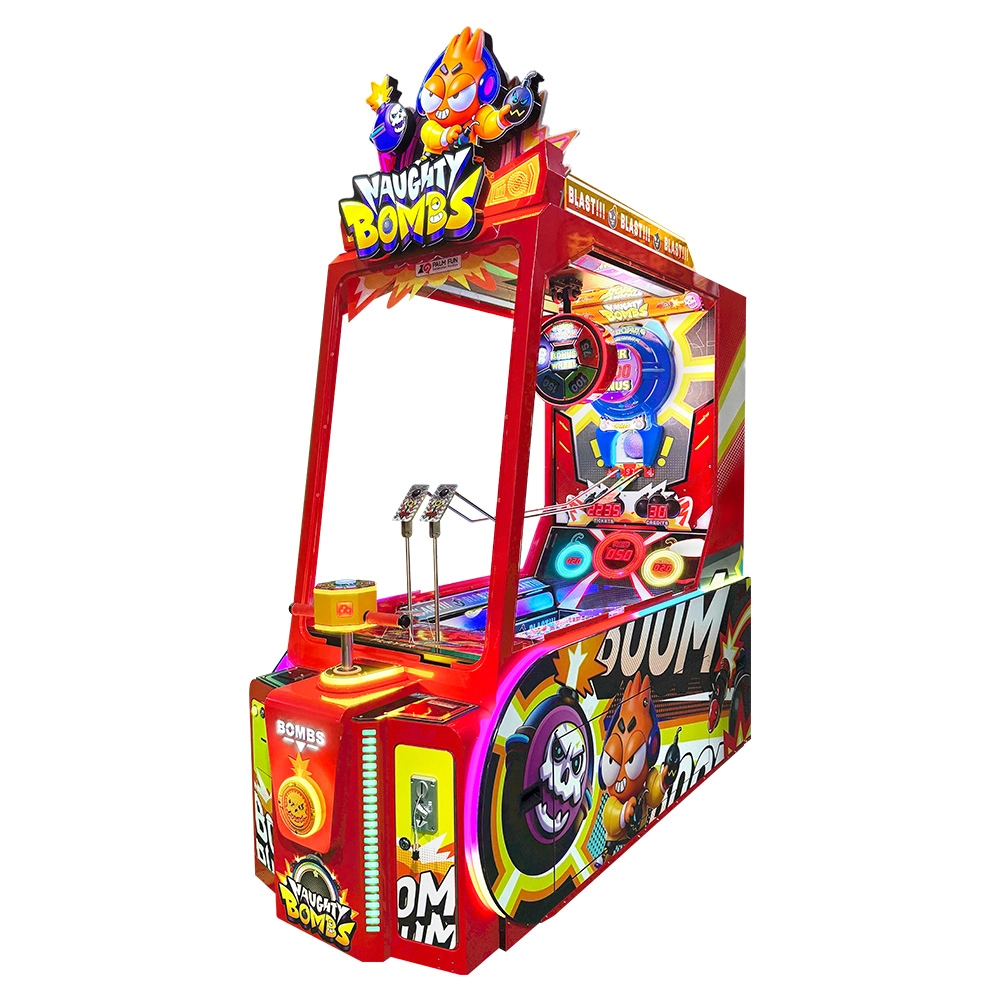
Máquina recreativa de canje de bolas Naughty Bombs
Naughty Bombs es un juego arcade de canje de bolas con mecánica de juego dinámica, objetivos de colores, premios en forma de boletos, bonificaciones sorpresa, efectos de luz y sonido. Los jugadores deben calcular el tiempo para lanzar y dejar caer las bolas hacia las áreas objetivo de colores. Este producto está diseñado para salas de juegos, centros de entretenimiento familiar y otros espacios de ocio, con configuración de voltaje personalizable de 110 V/220 V CA.
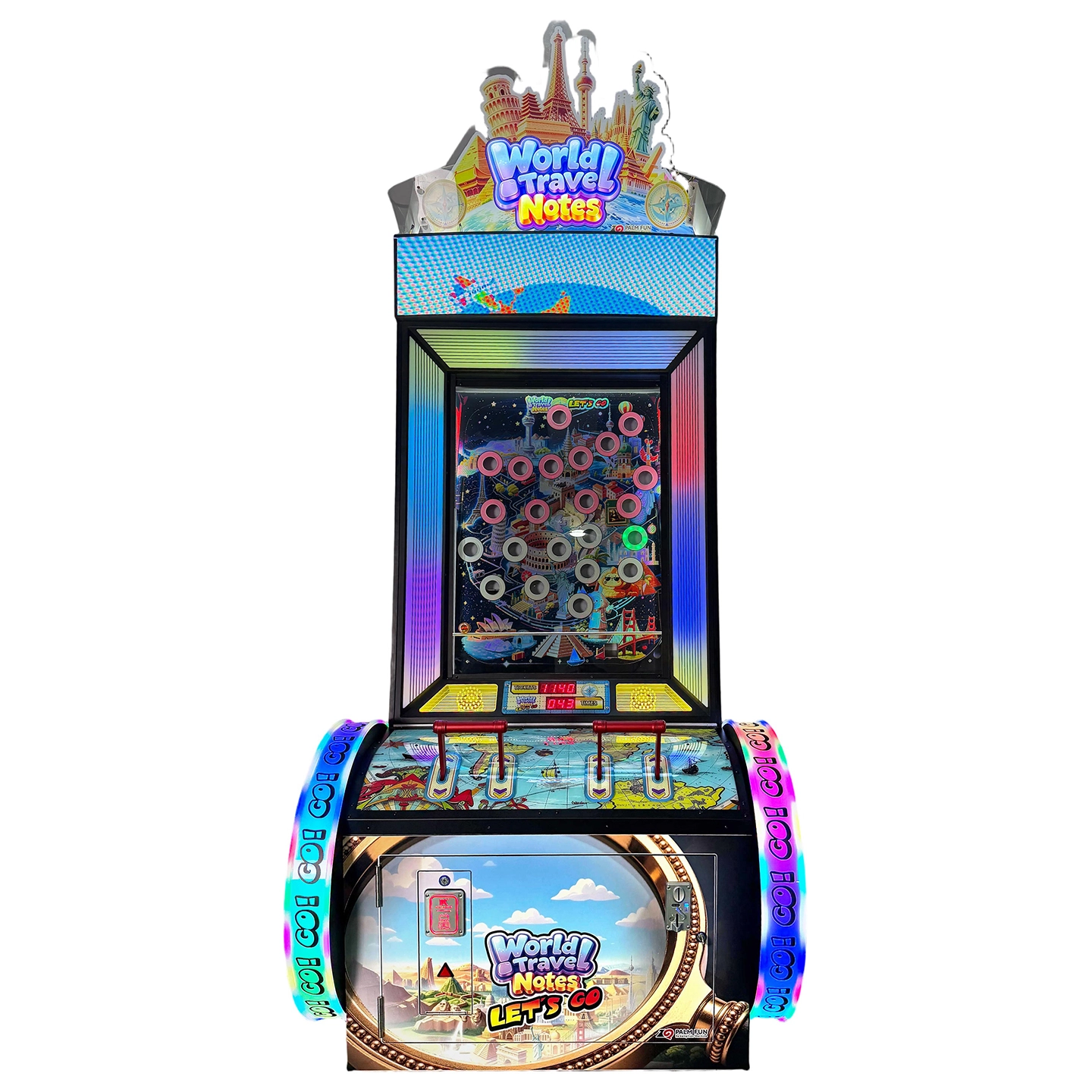
Notas de viaje por el mundo: Juego de arcade de canje de pelotas de equilibrio
World Travel Notes es un juego de habilidad con una pelota de equilibrio y una divertida temática de viajes por el mundo. Los jugadores usan dos asas para controlar la barra de equilibrio y guiar la pelota hacia cada agujero objetivo. A medida que avanza el juego, los objetivos se vuelven más desafiantes, llevando a los jugadores hacia el gran premio final. Con coloridos gráficos de viajes por el mundo, iluminación RGB dinámica, una pantalla de puntuación en tiempo real y dificultad progresiva, World Travel Notes está diseñado para atraer la atención y fomentar que los jugadores jueguen repetidamente en salones recreativos, centros de entretenimiento familiar, centros comerciales y otros lugares de ocio.
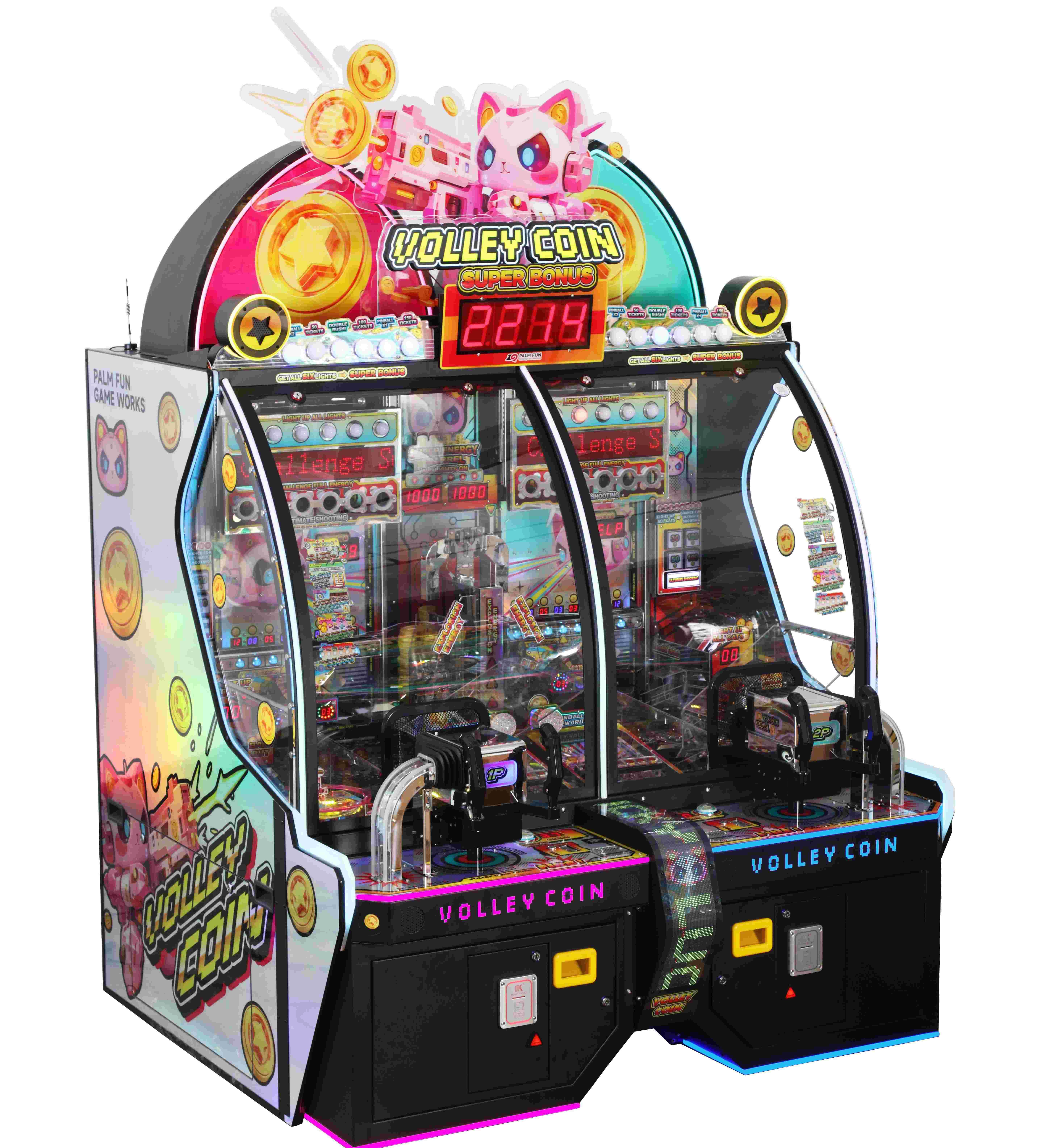
Máquina recreativa híbrida de disparos y empuje | Máquina de canje de tickets con mecanismo de empuje de monedas
Volley Coin es una innovadora máquina recreativa de canje de tickets desarrollada por Palm Fun Electronics. Combinando la emoción de un juego de disparos de fichas de ritmo rápido con la probada rentabilidad de una máquina tradicional de empujar monedas, Volley Coin ofrece una experiencia de juego novedosa y atractiva para jugadores de todas las edades.
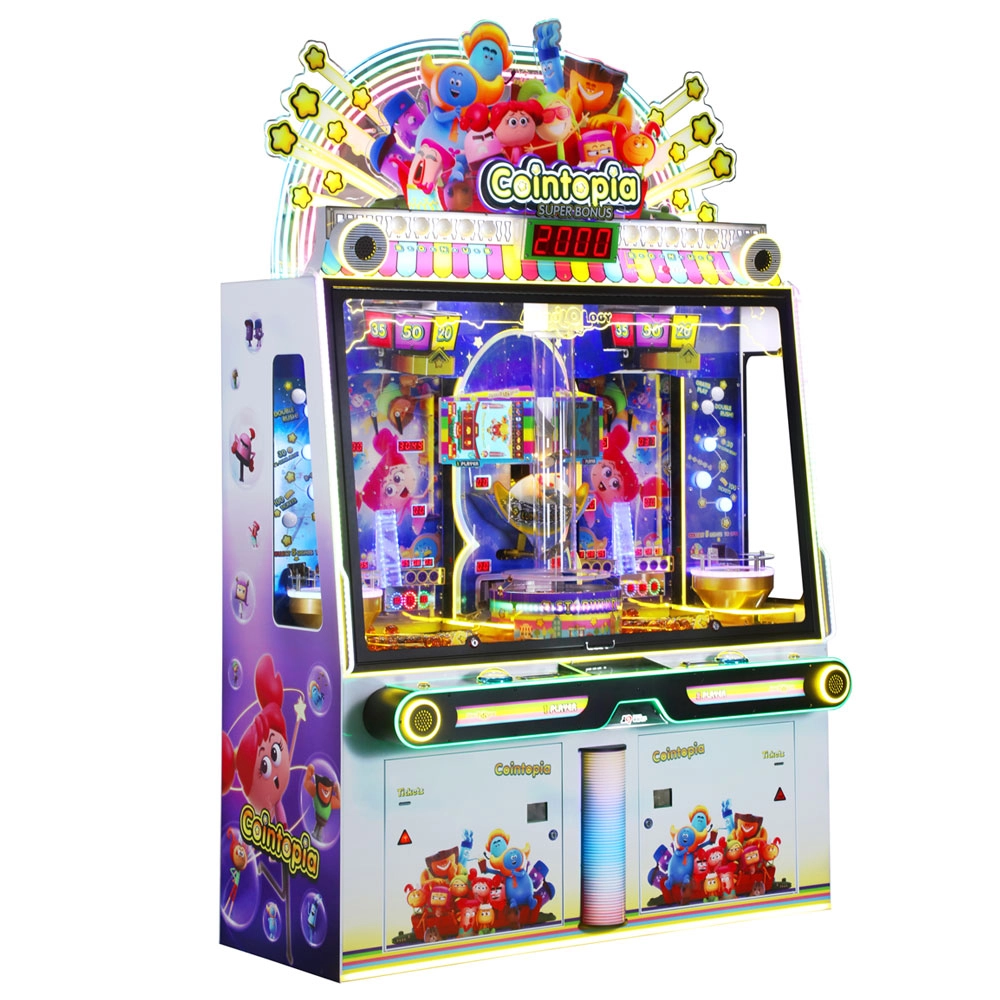
COINTOPIA, Diviértete con tus amigos del Zodiaco en una Utopía
COINTOPIA de PALM FUN es una emocionante máquina de canje donde los jugadores disfrutan de la diversión con sus amigos del zodiaco en un entorno utópico. Esta máquina de canje de boletos ofrece una jugabilidad atractiva y experiencias gratificantes, perfecta para centros de entretenimiento familiar y salas de juego que buscan juegos de canje de alta calidad.
Copyright © 2026 PALM FUN Todos los derechos reservados. |política de privacidad•Términos y condiciones|Mapa del sitio
Palmfunarcade
Juego arcade Palm Fun
WhatsApp: +8618126837443
Sala de juegos PalmFun
PalmFun_Arcade
Máquina de canje PALM FUN