







المخاطر الشائعة في عمليات الشراء لألعاب الأركيد ذات اللاعب الواحد وخطوات التخفيف منها
- أين تفشل عملية شراء معدات الألعاب الإلكترونية عادةً
- يؤدي غموض المواصفات إلى مخاطر تجارية وتشغيلية
- غالباً ما يتم الحكم على قدرة المورد من خلال المواد التسويقية وحدها.
- تختلف متطلبات الامتثال ودخول السوق باختلاف الوجهة
- المخاطر المالية واللوجستية ومخاطر دورة الحياة
- قد يؤدي أدنى سعر للوحدة إلى أعلى تكلفة إجمالية.
- قد يؤدي تلف الشحن وأخطاء التركيب إلى تأخير الافتتاح
- يؤدي ضعف تخطيط الخدمة إلى زيادة وقت التوقف عن العمل
- إطار عمل للتخفيف من المخاطر من أجل شراء معدات موثوقة
- استخدم تقييمًا مرجحًا للموردين بدلاً من مقارنة الأسعار فقط.
- قم بتضمين اختبار القبول في أمر الشراء
- نموذج الإيرادات بشكل متحفظ
- كيف تدعم بالم فن عمليات شراء ألعاب الأركيد منخفضة المخاطر
- القدرة المتكاملة على التطوير والتصنيع
- مجموعة منتجات متوافقة مع أماكن الاسترداد والترفيه العائلي
- الخبرة الدولية ونهج الشراكة طويلة الأمد
- الأسئلة الشائعة
- ما الذي يجب تضمينه في عرض أسعار معدات ألعاب الأركيد الفردية؟
- كيف يمكن للمشتري التحقق من الشركة المصنعة لأجهزة الألعاب الإلكترونية؟
- ما هي أفضل طريقة للحد من أضرار الشحن؟
- ما هي الوثائق التي يجب فحصها قبل استيراد معدات الترفيه؟
- كيف ينبغي حساب العائد على آلة الألعاب؟
- لماذا تعتبر قطع الغيار واختبارات القبول مهمة؟
تنشأ مخاطر شراء معدات ألعاب الأركيد الفردية عادةً من عدم وضوح المواصفات، وعدم التحقق من قدرة المورد، والثغرات التنظيمية، وضعف خدمات ما بعد البيع، وأضرار النقل، وافتراضات الإيرادات غير الواقعية. يقوم المشترون بتقييمألعاب البينبولينبغي أن تُقيّم الخزانة أو أي وحدة ترفيهية أخرى دورة الملكية الكاملة: تصميم المنتج، والسلامة الكهربائية، وتوافق الدفع، ومنطق التذاكر أو الجوائز، وقطع الغيار، والتركيب، والاستجابة للضمان، وقابلية الخدمة على المدى الطويل. وينطبق نفس الإجراء المنظم على...ألعاب أركيد فرديةسواءً كان الأمر يتعلق بخزانة ألعاب تعمل بالعملات المعدنية، أو آلة ألعاب ربح الجوائز، أو مشروع مركز ترفيه عائلي متكامل، فإنّ وجود مواصفات فنية موثقة، وتحقق من المصنع، ومراجعة للامتثال، ونموذج تكلفة الوصول، واختبار قبول، كلها عوامل تُسهم بشكل كبير في تقليل خسائر الشراء التي يُمكن تجنبها.
أين تفشل عملية شراء معدات الألعاب الإلكترونية عادةً
يؤدي غموض المواصفات إلى مخاطر تجارية وتشغيلية
قد يصف عرض الأسعار خزانة ألعاب باسم عام دون تحديد التفاصيل التي تحدد الأداء. لذا، ينبغي على المشترين طلب ورقة مواصفات كاملة تشمل الأبعاد الخارجية، والوزن، ومدخل الطاقة، والاستهلاك المُقدّر، ونوع الشاشة، ومكونات التحكم، ونظام الصوت، ومواد الخزانة، والإضاءة، وواجهة قارئ العملات أو البطاقات، وموزع التذاكر، وبرنامج اللعبة، وإعدادات الجوائز، وبيئة التشغيل المُوصى بها. قد يتطلب المنتج الذي يبدو رخيصًا أجهزة دفع إضافية، أو تحويل الجهد، أو معدات شبكة، أو تعزيزات للشحن، أو تعديلات محلية قبل أن يبدأ استخدامه.
يتطلب إعداد اللعبة توثيقًا دقيقًا. ينبغي أن تشمل الأسئلة ما إذا كان البرنامج يدعم اللعب المجاني، واللعب المدفوع، والدفع بالبطاقات، وتشغيل العملات المعدنية، واختيار اللغة، وتقارير التدقيق، ومعايرة التذاكر، وقوائم المشغل، والتشخيص عن بُعد. بالنسبة للأماكن ذات المساحة المحدودة، تُعدّ مساحة الجهاز ومساحة الصيانة بنفس أهمية عرض الخزانة. يجب على المشتري الحصول على رسم معتمد يوضح أبعاد الواجهة الأمامية والخلفية والجانبية ومداخل الصيانة قبل اعتماد التصميم النهائي.
غالباً ما يتم الحكم على قدرة المورد من خلال المواد التسويقية وحدها.
لا تُثبت الصور الاحترافية اتساق عملية التصنيع. ينبغي على فرق المشتريات التحقق من المعلومات القانونية للشركة الموردة، وعنوان المصنع، ونطاق الإنتاج، والموارد الهندسية، ونظام الجودة، وسجل التصدير، والمراجع في الأسواق المماثلة. تُعد الجولة المصورة مفيدة، لكن التدقيق المستقل، أو التفتيش المباشر للمصنع، أو التفتيش المصور المنظم، تُقدم أدلة أقوى على انضباط التجميع ومراقبة المخزون.
ينبغي أن يشمل التحقق من الجودة فحص مسارات الأسلاك، ونقاط التأريض، واللحام، وقفل الموصلات، وصلابة الهيكل، وآليات الحركة، والحواف الواقية، والتهوية، وسهولة الوصول إلى المكونات القابلة للاستبدال. ينبغي على المشترين طلب صور للتجميعات الداخلية وتقرير فحص عينة بدلاً من الاعتماد فقط على صورة المنتج النهائي. في حال كان حجم الطلب كبيرًا، يجب الموافقة كتابيًا على عينة ما قبل الإنتاج أو عينة مرجعية، واستخدامها كمعيار للإنتاج بكميات كبيرة.
تختلف متطلبات الامتثال ودخول السوق باختلاف الوجهة
قد تشمل معدات الترفيه متطلبات كهربائية وميكانيكية، وتوافقًا كهرومغناطيسيًا، ومنتجات استهلاكية، وأنظمة دفع، ومتطلبات السلامة من الحرائق المحلية. وتختلف القواعد المطبقة باختلاف بلد المقصد، وبنية الجهاز، والجهد الكهربائي، ووظائف الاتصال اللاسلكي، ومكان التشغيل. ينبغي على المشترين تحديد المستورد الرسمي والتأكد من المستندات المطلوبة قبل بدء الإنتاج. كما يجب التحقق من الشهادة المقدمة من الشركة المصنعة للتأكد من صحة الطراز، والمصنع، ونطاق الاختبار، والجهة المُصدرة.
يمكن للمشترين الدوليين استخدام مبادئأنظمة إدارة الجودة ISO 9001كإطار لتقييم ضوابط الإنتاج الموثقة، والإجراءات التصحيحية، وإمكانية التتبع. أما بالنسبة للمخاطر المتعلقة بالآلات، فتُستخدم مفاهيم تقييم المخاطر الموصوفة من قِبلايزو 12100تُوفّر هذه المراجع دليلاً مفيداً لتحديد مخاطر السحق، والانحشار، والحواف الحادة، والتشغيل غير المتوقع. ولا تُغني هذه المراجع عن الاستشارة القانونية المحلية أو الشهادات الخاصة بالمنتج، ولكنها تُحسّن جودة المناقشات مع الموردين.
المخاطر المالية واللوجستية ومخاطر دورة الحياة
قد يؤدي أدنى سعر للوحدة إلى أعلى تكلفة إجمالية.
ينبغي أن تفصل مقارنة المشتريات بين سعر المصنع وإجمالي الاستثمار المُسلّم. يجب أن يشمل نموذج التكلفة الأدوات، ورسوم العينات، وتغليف التصدير، والنقل البري، والشحن البحري أو الجوي، والتأمين، والرسوم الجمركية، ومناولة البضائع في الوجهة، والتركيب، وتكامل نظام الدفع، وقطع الغيار، والعمالة المحلية، والضرائب. قد يصبح المورد الذي يقدم سعرًا أقل (سعر المصنع) أكثر تكلفة بعد إضافة تكاليف الشحن، وحماية البضائع من التلف، والتشغيل، ومكونات الاستبدال.
تتطلب الشروط التجارية أيضًا عناية خاصة. يجب أن يحدد أمر الشراء العملة، ومراحل الدفع، ومدة الإنتاج، وحقوق الفحص، وحلول التأخير، ومعايير التغليف، ومدة الضمان، وأسعار قطع الغيار، وملكية التصميمات الفنية أو إعدادات البرامج المعتمدة. يمنح هيكل الدفع المرحلي المرتبط بموافقة التصميم، وإتمام الإنتاج، والفحص، والشحن، المشتري مزيدًا من التحكم مقارنةً بالدفعة المقدمة الكبيرة غير المشروطة.
قد يؤدي تلف الشحن وأخطاء التركيب إلى تأخير الافتتاح
تتعرض الخزائن الكبيرة للصدمات والرطوبة والاهتزازات والرفع غير الصحيح أثناء النقل. يجب أن تحدد مواصفات التغليف حماية الزوايا، والدعامات الداخلية، وحواجز الرطوبة، ومؤشرات الصدمات عند الحاجة، ومتطلبات المنصات، وعلامات الكرتون، وصور التحميل. كما يجب على المورد تقديم قائمة تعبئة توضح عدد الخزائن، والملحقات، وقطع الغيار، والمفاتيح، والكتيبات، وأدوات التركيب.
قبل الشحن، يجب أن يتسلم المشتري دليل التركيب ومتطلبات الكهرباء. يجب على الموقع التأكد من خلوص المدخل، وسعة المصعد، وحمولة الطابق، وموقع المقابس الكهربائية، والتهوية، وسهولة الوصول للصيانة. عند الوصول، يجب على الموظفين تصوير العبوة قبل فتحها، وتسجيل أي تلفيات ظاهرة، والتحقق من الأرقام التسلسلية، واستكمال قائمة فحص التشغيل. تدعم هذه السجلات مطالبات التأمين أو الشحن، وتوفر أساسًا واضحًا لقرارات الضمان.
يؤدي ضعف تخطيط الخدمة إلى زيادة وقت التوقف عن العمل
غالباً ما تفتقر الأماكن ذات الوحدة الواحدة إلى الكوادر الفنية، لذا فإن أي عطل بسيط قد يُفقدها عنصر جذب مهم من عناصر توليد الإيرادات. يجب أن يحدد العقد سرعة استجابة المورد لطلب الدعم، وكيفية إجراء عملية استكشاف الأعطال وإصلاحها، وأنواع قطع الغيار المتوفرة، وما إذا كانت خدمة المساعدة عن بُعد عبر الفيديو متاحة. قد تتضمن حزمة قطع الغيار العملية، بحسب تصميم الجهاز، الصمامات، ومصادر الطاقة، والمفاتيح، والأزرار، والمصابيح، وشاشات العرض أو كابلات العرض، وأجهزة القراءة، وموزعات التذاكر، وأجهزة الاستشعار، والأقفال، والموصلات شائعة الاستخدام.
ينبغي أن تُميّز بنود الضمان بين عيوب التصنيع وسوء الاستخدام، وعدم استقرار التيار الكهربائي، والتعديل غير المصرح به، والتعرض للماء، والتآكل الطبيعي. كما ينبغي أن تُحدد ما إذا كانت قطع الغيار تُقدّم مجانًا، وما إذا كانت تكلفة الشحن مشمولة، ومدة استمرار الدعم الفني بعد انتهاء فترة الضمان. ويمكن للمورد الذي يُقدّم مخططات الأسلاك، وشروح رموز الأعطال، وجداول الصيانة، وتدريب المشغلين، أن يُقلّل من الاعتماد على التدخل الطارئ.
| نقطة تفتيش المشتريات | الأدلة المطلوبة | انخفاض المخاطر | التوقيت الموصى به |
|---|---|---|---|
| مواصفات المنتج | الرسومات المعتمدة، والبيانات الكهربائية، وقائمة الميزات، والصور النموذجية | تكاليف تركيب غير متوقعة ونزاعات حول الأداء | قبل الموافقة على عرض الأسعار |
| القدرة على الجودة | سجلات المصنع، وخطة التفتيش، واختبار العينة، وعملية الإجراءات التصحيحية | عدم اتساق عملية التجميع وفشل مبكر | قبل الإيداع أو الإنتاج الضخم |
| امتثال | تقارير الاختبارات والإقرارات والملصقات والكتيبات الخاصة بالوجهة | تأخيرات الاستيراد ومشاكل الامتثال للمكان | قبل طلب الشراء |
| الخدمات اللوجستية | مواصفات التعبئة، صور التحميل، شروط التأمين، وقائمة التعبئة | تلفيات أثناء النقل وأجزاء مفقودة | قبل الشحن |
| دعم ما بعد البيع | شروط الضمان، وقائمة قطع الغيار، وجهات الاتصال بالخدمة، وإجراءات الاستجابة | فترات توقف مطولة ومسؤولية غير واضحة | قبل الدفعة النهائية |
إطار عمل للتخفيف من المخاطر من أجل شراء معدات موثوقة
استخدم تقييمًا مرجحًا للموردين بدلاً من مقارنة الأسعار فقط.
تُسهم بطاقة الأداء المنظمة في جعل قرارات الشراء أكثر شفافية. تشمل الفئات النموذجية ملاءمة المنتج، وجودة التصنيع، ووثائق الامتثال، وإمكانية التخصيص، وموثوقية التسليم، ودعم الضمان، وتوافر قطع الغيار، وشروط الدفع، والتكلفة الإجمالية للملكية. ينبغي أن يعكس الترجيح أولويات المشروع. قد يُولي مركز ترفيه عائلي كبير الحجم أهمية أكبر للإنتاجية، وسرعة الاستجابة للخدمة، ومتانة المكونات، بينما قد يُركز مكان ترفيهي صغير على المساحة، والجاذبية البصرية، وسهولة الصيانة.
ينبغي أن يكون كل تقييم مدعومًا بالأدلة. "الجودة الجيدة" ليست معيارًا قابلًا للتحقق، ولكن اختبار عينة مكتمل، أو نتيجة فحص موثقة، أو تركيب مرجعي، كلها معايير قابلة للتحقق. ينبغي على فرق المشتريات تسجيل الأسئلة المفتوحة وطلب إجابات مكتوبة حتى لا تعتمد المناقشات التجارية اللاحقة على الرسائل غير الرسمية.
قم بتضمين اختبار القبول في أمر الشراء
يجب أن تتحقق اختبارات القبول في المصنع من سلوك التشغيل، وأدوات التحكم، وأداء الشاشة، والصوت، والإضاءة، وتفعيل الدفع، وإعادة ضبط اللعبة، وإخراج التذاكر عند الاقتضاء، واستعادة النظام في حالة الأعطال، وثبات الجهاز، وإعدادات التشغيل الرئيسية. يجب أن يستخدم الاختبار التكوين النهائي للإنتاج بدلاً من عينة تجريبية بمكونات مختلفة. يحق للمشترين طلب تقرير اختبار موقع، أو صور فوتوغرافية، أو دليل فيديو مباشر قبل الشحن.
ينبغي أن تُكرر اختبارات قبول الموقع الفحوصات الأساسية بعد التركيب. ويجب أن تتأكد هذه الاختبارات من توافق الجهاز مع جهد الموقع، ومنصة الدفع، وظروف الشبكة، وإجراءات التشغيل. ويجب تسجيل أي عيب لدى الجهة المسؤولة مع تحديد تاريخ الانتهاء. ويمكن أن يُحسّن الاحتفاظ بجزء صغير من الدفعة حتى استيفاء معايير القبول المتفق عليها من المساءلة، وذلك وفقًا للعقد المُبرم.
نموذج الإيرادات بشكل متحفظ
ينبغي أن يستند العائد المتوقع إلى الاستخدام الواقعي بدلاً من أفضل أداء يومي مُسجّل خلال فترة الإطلاق. يجب أن يشمل النموذج عدد مرات اللعب المتوقعة يومياً، ومتوسط سعر اللعب، وأيام التشغيل، وتكاليف الجوائز أو التذاكر، ورسوم الدفع، والكهرباء، والإيجار أو حصة الإيرادات، وتكاليف الموظفين، والصيانة، وفترات التوقف، والتسويق، والاستهلاك. يجب أن يُظهر تحليل الحساسية ما يحدث في حال كان الاستخدام أقل من المتوقع أو في حال تطلّب استبدال أحد المكونات الرئيسية.
يُعدّ اختيار الموقع المناسب بنفس أهمية جودة الجهاز. فجهاز بارز بصريًا بالقرب من المدخل قد يجذب انتباهًا أكبر من جهاز مماثل موضوع في زاوية قليلة الحركة. ينبغي على المشغل تقييم أعمار الجمهور، وصعوبة اللعبة، وسلوك الانتظار، والمنافسة، ووضوح الرؤية، والعلاقة بين مدة اللعب والإيرادات لكل متر مربع. كما يجب مراجعة اقتصاديات الجوائز بعناية لضمان استدامة تكاليف الجوائز وإعدادات التذاكر تجاريًا وتوافقها مع القوانين المحلية.
كيف تدعم بالم فن عمليات شراء ألعاب الأركيد منخفضة المخاطر
القدرة المتكاملة على التطوير والتصنيع
تأسست شركة بالم فن عام ٢٠١٥، وهي متخصصة في آلات اليانصيب الميكانيكية عالية الجودة، وآلات دفع العملات، وآلات السحب، ومعدات الألعاب المبتكرة. تشمل أعمالنا البحث والتطوير، وتصميم المنتجات، والإنتاج، والمبيعات، مما يتيح لأصحاب المشاريع والموزعين مناقشة متطلبات المنتج مع شركة مصنعة تفهم التفاصيل الهندسية والتطبيق التجاري على حد سواء.
يضم مصنعنا، الذي تبلغ مساحته 3000 متر مربع، فريقًا من مهندسي التطوير المهرة المتخصصين في التكنولوجيا والموثوقية وتجربة المستخدم. يدعم هذا الهيكل التواصل الفعال فيما يتعلق بتصميم الخزائن والأنظمة الميكانيكية ومنطق التحكم والعرض المرئي وصيانة المشغل. يمكن للمشترين استخدام معلومات منتجاتنا للمقارنة.آلة دفع العملات المعدنية لاستبدال تذاكر ألعاب الأركيدالحلول وتقييم أي تكوين يناسب جمهور المكان ونموذج الإيرادات الخاص به.
مجموعة منتجات متوافقة مع أماكن الاسترداد والترفيه العائلي
تشمل محفظتنا منتجات آلات دفع العملات المعدنية، وألعاب الاسترداد، وآلات ألعاب الأركيد، وآلات الأركيد المعروضة للبيع للموزعين، ومراكز الترفيه، ومتاجر البيع بالتجزئة، ومستثمري المشاريع.سلسلة لارفا لألعاب دفع العملات المعدنيةيوضح كيف يمكن الجمع بين العرض ذي الطابع الخاص والتفاعل الميكانيكي لدعم مشاركة اللاعب، في حين أن اختيار المنتجات على نطاق أوسع يساعد المشترين على بناء مزيج متوازن من عوامل الجذب بدلاً من الاعتماد على شكل واحد من أشكال الألعاب.
بالنسبة للمشترين الذين يقارنون بين الموردين، لا يقتصر السؤال المهم على مدى جاذبية الجهاز عند إطلاقه، بل يتعداه إلى قدرة الشركة المصنعة على توفير إنتاج متسق، ومعلومات تشغيل واضحة، ودعم استبدال، وتواصل فعال تجاريًا بعد التسليم. يهدف تركيز شركة بالم فن على الجودة والابتكار إلى مساعدة المشغلين على تلبية متطلبات دورة حياة المنتج هذه، مع تكييف المنتجات مع متطلبات السوق المتغيرة.
الخبرة الدولية ونهج الشراكة طويلة الأمد
منتجات بالم فن معروفة ومستخدمة في أكثر من 50 دولة حول العالم. هذا الانتشار العالمي يدعم التواصل مع الموزعين وأصحاب المشاريع العاملين في مختلف ظروف السوق، وأنواع الفعاليات، وإجراءات الشراء. يهدف فريقنا إلى بناء شراكات طويلة الأمد من خلال تقديم دعم وخدمة شاملة، بدلاً من اعتبار تسليم المعدات نهاية العلاقة.
المشترون الذين يبحثون عنشركة مصنعة لأجهزة ألعاب الآركيد عالية الجودةينبغي استكمال إجراءات العناية الواجبة الخاصة بكل وجهة، بما في ذلك مراجعة الشهادات، ومتطلبات الاستيراد، وتقييم سلامة الموقع، والتنبؤات التجارية. تتمثل رؤية بالم فن المعلنة في أن تصبح شركة عالمية رائدة في تصنيع آلات ألعاب الجوائز، وقد تم تنظيم مواردنا في مجالات التصنيع والهندسة وتطوير المنتجات لتحقيق هذا الهدف. يمكن أن تساعد مناقشة فنية مباشرة في توضيح التكوين، وكمية الطلب، والتخصيص، ومدة التسليم، والتعبئة، ومتطلبات خدمات ما بعد البيع قبل اتخاذ قرار الشراء.
الأسئلة الشائعة
ما الذي يجب تضمينه في عرض أسعار معدات ألعاب الأركيد الفردية؟
يجب أن يتضمن عرض الأسعار الكامل أبعاد الخزانة، والوزن، ومتطلبات الطاقة، ووظائف اللعبة، وواجهة الدفع، ومواصفات العرض والصوت، والتعبئة والتغليف، وشروط التجارة، ومدة التسليم، والضمان، وقطع الغيار، ودعم التركيب، ووثائق الامتثال الخاصة بالوجهة.
كيف يمكن للمشتري التحقق من الشركة المصنعة لأجهزة الألعاب الإلكترونية؟
ينبغي على المشترين التحقق من الهوية القانونية للشركة، وموقع المصنع، والقدرة الإنتاجية، والفريق الهندسي، وسجلات الجودة، ومراجع التصدير، وأداء العينات، وعملية الفحص، وإجراءات ما بعد البيع بدلاً من الاعتماد فقط على صور الكتالوج أو الادعاءات التسويقية.
ما هي أفضل طريقة للحد من أضرار الشحن؟
يجب أن يحدد أمر الشراء الدعامات الداخلية، وحماية الزوايا، وحواجز الرطوبة، ومتطلبات المنصات، وصور التحميل، ومسؤولية التأمين، وقائمة التعبئة؛ ويجب على المرسل إليه تصوير التغليف والمعدات فور وصولها.
ما هي الوثائق التي يجب فحصها قبل استيراد معدات الترفيه؟
ينبغي على المشتري التحقق من متطلبات البلد المقصود المتعلقة بالكهرباء والتوافق الكهرومغناطيسي والميكانيكا والملصقات والجمارك والسلامة من الحرائق ومتطلبات المكان، ثم التحقق من أن تقارير الاختبار والإقرارات تتطابق مع الطراز والشركة المصنعة بالضبط.
كيف ينبغي حساب العائد على آلة الألعاب؟
ينبغي أن تتضمن توقعات العائدات عدد مرات اللعب الواقعية في اليوم، وسعر اللعب، وأيام التشغيل، وتكاليف الجوائز أو التذاكر، ورسوم الدفع، والكهرباء، والإيجار أو حصة الإيرادات، والعمالة، والصيانة، ووقت التوقف، والتسويق، والاستهلاك، مع إجراء اختبارات حساسية لانخفاض الاستخدام.
لماذا تعتبر قطع الغيار واختبارات القبول مهمة؟
تعمل قطع الغيار واختبارات القبول على تقليل وقت التوقف وتوضيح المسؤولية من خلال تأكيد عناصر التحكم والدفع والعرض والصوت والإضاءة وإخراج التذاكر واستعادة الأعطال وحالة الخزانة وإعدادات التشغيل قبل الشحن وبعد التثبيت.
تواصل مع بالم فن من خلالموقعنا الرسميلمراجعة آلات ألعاب الاسترداد، وآلات دفع العملات المعدنية، ومعدات الألعاب الإلكترونية لمشروعك القادم.
موصى به لك
مصنعو ألعاب الأركيد في الولايات المتحدة الأمريكية | اكتشف الجودة مع PALM FUN
أفضل الشركات المصنعة والموردين لألعاب الأركيد في الصين
كيفية عمل ماكينات الآركيد ذات الدفع بالعملة: شرح ميكانيكي
هل آلات دفع العملات المعدنية مناسبة للموزعين وتجار الجملة؟
الأسئلة الشائعة
كيفية توجيه الأعمال؟
على سبيل المثال:
1. الاستعلام عن التذاكر وإضافتها بشكل استباقي عندما يكون جهاز العميل منخفضًا في التذاكر.
2. مساعدة اللاعبين في تنظيم التذاكر عندما يتم توزيعها بشكل غير متساوٍ.
3. تقديم أدوات التخزين مثل أكياس التخزين والأشرطة المطاطية عندما يقوم العملاء بترتيب تذاكرهم.
4. توفير واجهات USB مجانية للشحن بالقرب من الآلات الشهيرة ومناطق الراحة.
5. قم بتنفيذ تذكيرات واضحة ومبهجة، وإرشادات حول استرداد التذاكر، وعلامات إرشادية، وكلها مصممة لتكون واضحة. وكلما قدمت المزيد من هذه الأشياء، زاد تقدير اللاعبين لاهتمامك، دون أن يجدوا ذلك مزعجًا.
كيفية اختيار هدايا التبادل للتذاكر (نقاط المكافأة)؟
2. يجب أن تكون الهدايا متنوعة. يشير هذا إلى تنوع العناصر المتاحة، مما يوفر للاعبين المزيد من الخيارات. تختلف تفضيلات كل شخص، وخاصة البالغين الذين لديهم توقعات أعلى للهدايا. يجب أن يسعى المكان إلى تلبية الاحتياجات المتنوعة لهؤلاء اللاعبين.
3. يجب أن تكون الهدايا مواكبة للموضة. يهتم الجيل الأصغر سنًا الذي يتبع أحدث الصيحات بالأشياء الأكثر رواجًا في الوقت الحالي. إذا كان المكان قادرًا على مواكبة أحدث الصيحات، فيمكنه جذب غالبية المستهلكين.
4. يجب أن تكون الهدايا مبتكرة. وخاصة خلال العطلات والمواسم، من الجيد تجربة أساليب جديدة، وخلق ميزة تنافسية من خلال عروض فريدة. على سبيل المثال، الاتجاه الحالي للجمع بين ثقافة البوب وثقافة الصناديق العمياء.
البحث والتطوير، ما مدى صعوبة ولادة آلات الاسترداد الجديدة؟
حل نقاط الألم في الموقع بشكل فعال واستهلاك كمية العملات المودعة.
لذا فإن كمية المخزون من الرموز التي تم شراؤها مسبقًا تشكل مشكلة يجب الاهتمام بها، وخاصة في السوق الحالية شديدة التنافسية. فقط عندما تحافظ مدينة الملاهي على دورة صحية من مبيعات الرموز، والاستهلاك، والتخزين، والاستهلاك، والمبيعات مرة أخرى، يمكنها ضمان النمو المستدام والربحية.
ما هي التفاصيل التي يجب الاهتمام بها في تشغيل آلات الاسترداد؟
① ضبط معلمات الماكينة.
② أداء المعدات وطريقة اللعب.
③ تزيين وترويج المنطقة والمعدات.
④ أماكن وضع الماكينة.
⑤ اختيار الجوائز.
2. تتمثل التقنيات التشغيلية الأساسية لآلات الاسترداد في جاذبية اللعب، والحفاظ على معدل صرف معقول، وخلق جو جذاب. اعتمادًا على الموسم وتغيرات السوق، يجب تنفيذ الأنشطة الترويجية بتوازن وتحليل ومتابعة. لذلك، يمكنك التفكير في الأساليب التشغيلية التالية:
① التعاون مع عدة أماكن أو شركات لتوزيع المواد الترويجية لتعزيز الرؤية الخارجية والتفاعل.
② إجراء أنشطة ترويجية مستهدفة للاحتفاظ بالعملاء العائدين.
③ تنظيم فعاليات منتظمة للأعضاء لضمان جذب الأعضاء وقاعدة عملاء ثابتة. على سبيل المثال، تقديم مكافآت يانصيب إضافية مقابل مبلغ معين من الرموز المودعة أو تقديم عدد معين من تذاكر اليانصيب (نقاط المكافأة) عند إصدار بطاقة العضوية.
④ تعزيز التفاعل مع الشركات المجاورة داخل المنطقة التجارية.
⑤ تنظيم أنشطة مختارة للأطفال وتقديم عروض خاصة لتبادل جوائز فريدة موجهة للأطفال.
3. ضبط المعلمات بشكل صحيح:
4. وصول آلة جديدة - التعرف على اللعبة - التحكم في المعلمات الأولية - الترويج - الأنشطة والإعلان - ضبط المعلمات بناءً على عدد اللاعبين - تعديلات متعددة للمعلمات - زيادة الشعبية - الربحية - إعادة الاستثمار.
ملاحظة: يجب إجراء تحليل البيانات أسبوعيًا لفهم احتمالية صرف التذاكر لكل آلة استرداد في أسرع وقت ممكن. في حالة حدوث أي مواقف غير طبيعية، فإن المتابعة السريعة واستكشاف الأخطاء وإصلاحها أمر ضروري لتحديد الأسباب وتصحيح المشكلات.
قد يعجبك أيضاً
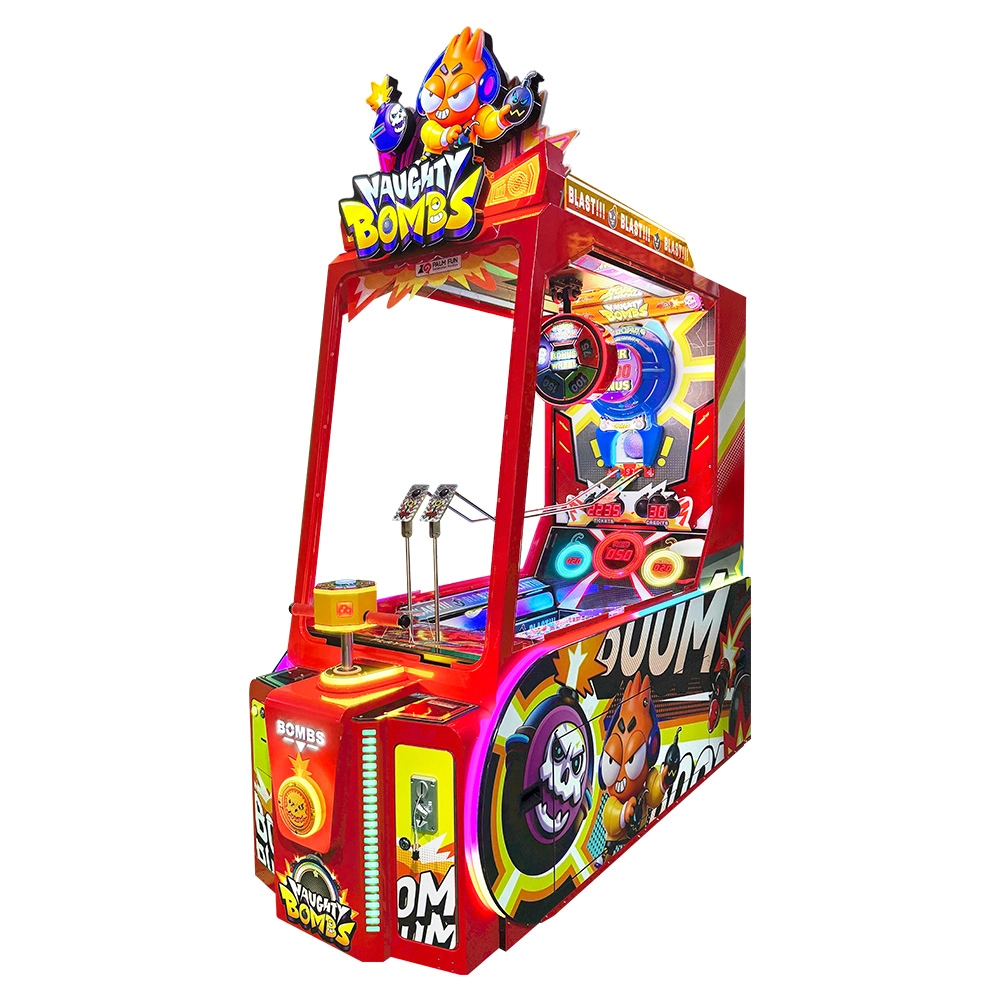
آلة ألعاب أركيد "قنابل شقية: إسقاط الكرة - استرداد الفداء"
لعبة "قنابل مشاغبة" هي لعبة أركيد مثيرة تعتمد على نظام الجوائز، مصممة لجذب الانتباه وتشجيع اللاعبين على العودة مرارًا وتكرارًا. تتميز اللعبة بهيكل أحمر زاهٍ، وإضاءة ديناميكية، ومؤثرات صوتية ممتعة، وأسلوب لعب تفاعلي يعتمد على دحرجة الكرات، مما يوفر متعة متواصلة في مساحة صغيرة. يختبر اللاعبون مهاراتهم في التوقيت من خلال إطلاق الكرات وإسقاطها على أهداف ملونة لفتح مكافآت إضافية مفاجئة وجوائز تذاكر. بفضل آلياتها سهلة التعلم، وحركتها الممتعة القائمة على المهارة، وجاذبيتها البصرية الرائعة، تُعد "قنابل مشاغبة" خيارًا مثاليًا لصالات الألعاب، ومراكز الترفيه العائلي، وأماكن الترفيه التي تسعى إلى تعزيز تفاعل اللاعبين وزيادة الإيرادات.
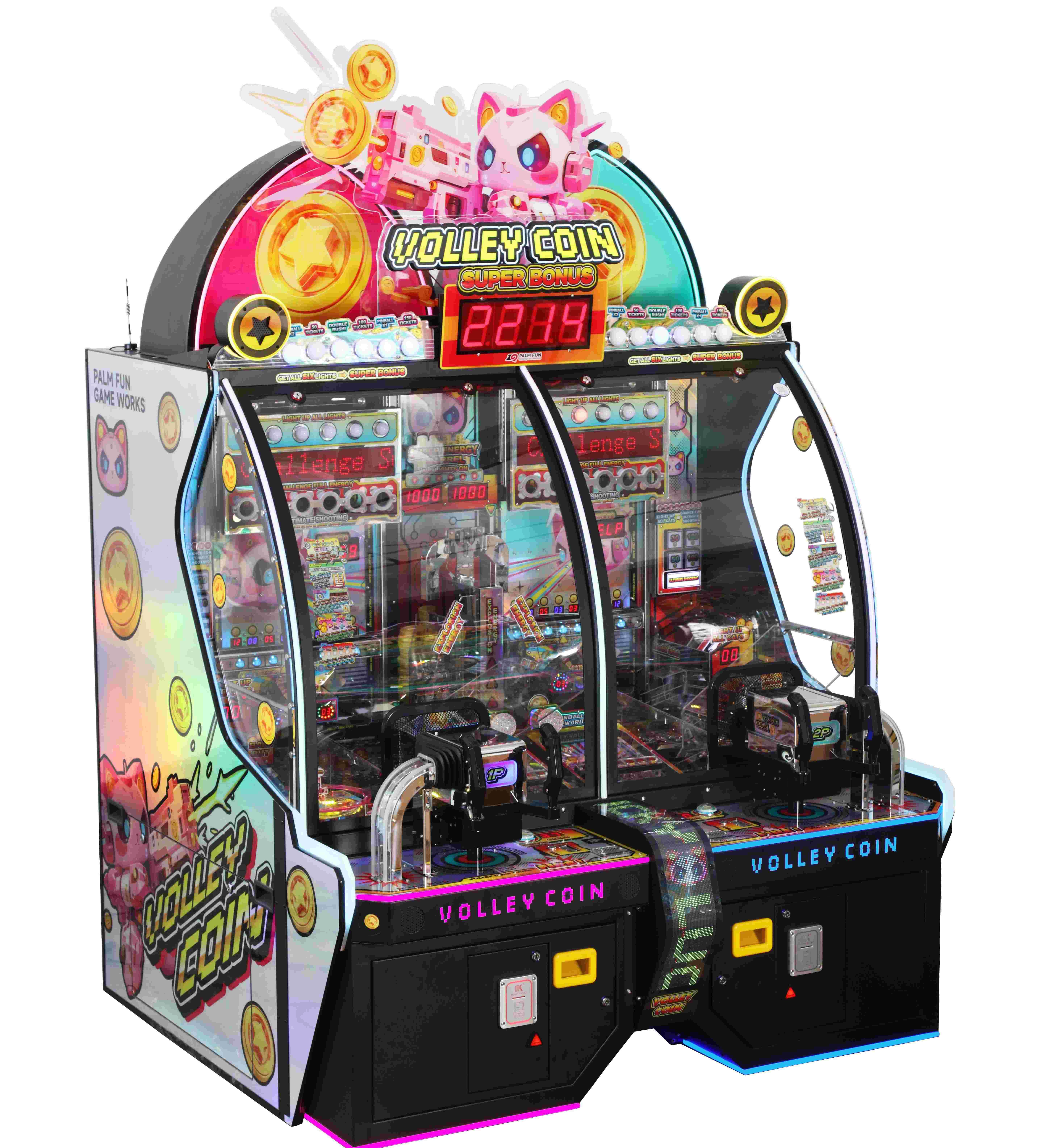
لعبة هجينة تجمع بين إطلاق النار والدفع | آلة استبدال تذاكر ألعاب دفع العملات المعدنية
فولي كوين هي آلة مبتكرة لاستبدال تذاكر الألعاب الإلكترونية، طورتها شركة بالم فن إلكترونيكس. تجمع فولي كوين بين إثارة ألعاب إطلاق العملات المعدنية السريعة وقوة الربح المؤكدة لآلات دفع العملات المعدنية التقليدية، مما يوفر تجربة لعب جديدة وممتعة تناسب اللاعبين من جميع الأعمار.
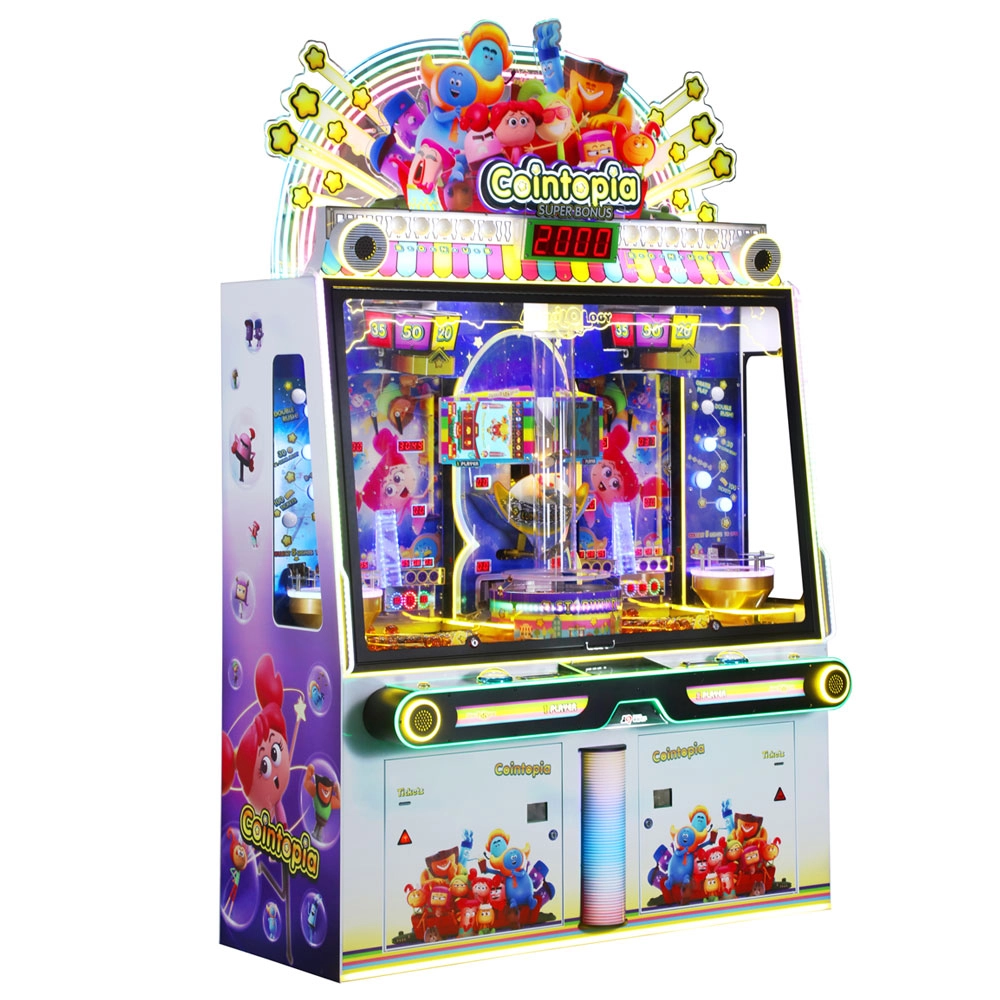
كوينتوبيا، استمتع بوقتك مع أصدقاء الأبراج في يوتوبيا
كوينتوبيا من بالم فن هي لعبة استرداد مثيرة، حيث يستمتع اللاعبون مع رفاق الأبراج في أجواء مثالية. تقدم هذه اللعبة تجربة لعب شيقة وتجارب مجزية، وهي مثالية لمراكز الترفيه العائلية وصالات الألعاب التي تبحث عن ألعاب استرداد عالية الجودة.
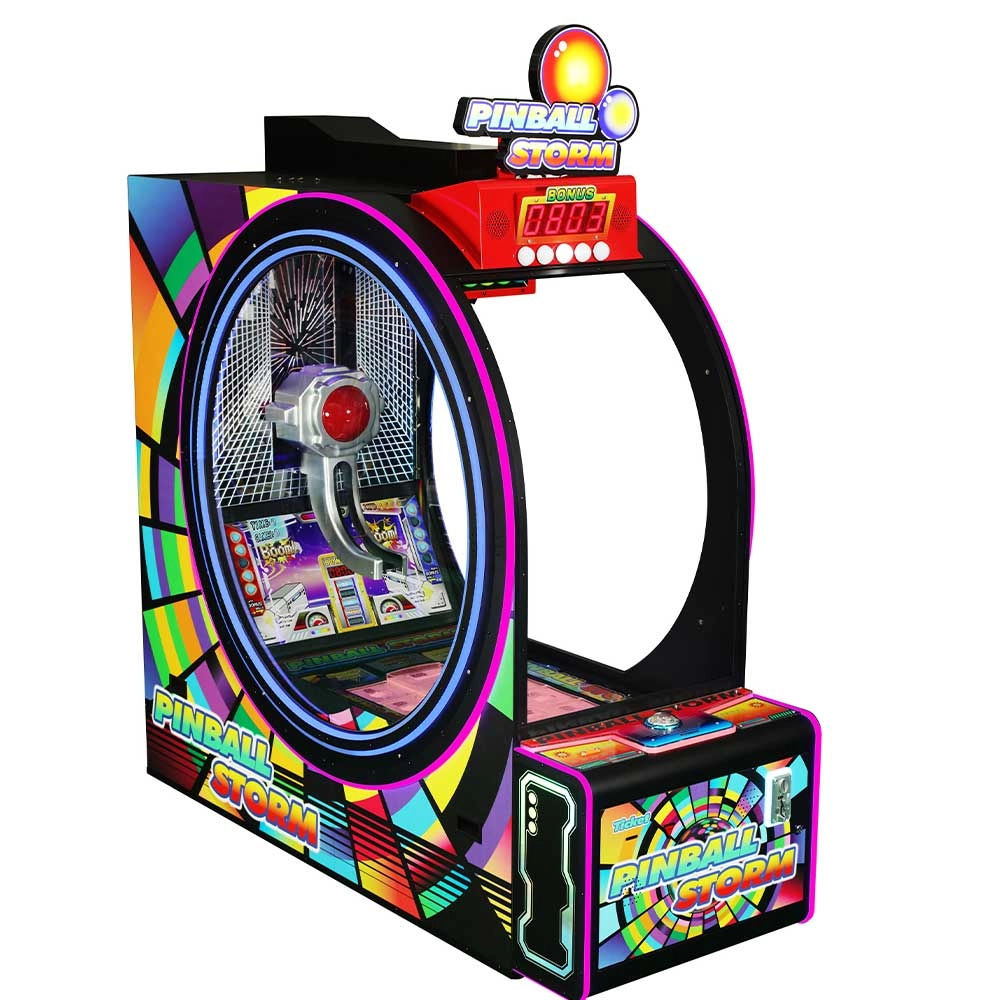
آلة استرداد تذاكر ألعاب Pinball Storm Ball Dropping
لعبة البينبول الكلاسيكية بمفهوم جديد! اضرب، ارتد، واربح جوائز. فعّل عاصفة البينبول لانطلاقة كروية ملحمية!
جميع الحقوق محفوظة © 2026 لشركة بالم فن.سياسة الخصوصية•الشروط والأحكام|خريطة الموقع
بالمفوناركيد
لعبة أركيد بالم فن
واتساب: +8618126837443
أركيد بالم فن
بالم فن_أركيد
ماكينة استرداد PALM FUN