








¿Qué debo tener en cuenta al comprar una máquina recreativa de bolas con sistema de canje de premios?
Para elegir un juego de pelota arcade con sistema de canje de premios, es necesario analizar la velocidad del ciclo de devolución de la pelota, la precisión de los sensores y la durabilidad del mueble. Esta guía explora parámetros técnicos como el tiempo medio entre fallos (MTBF) y los algoritmos de pago para garantizar un alto retorno de la inversión y la fidelización de los jugadores para los operadores de centros de entretenimiento familiar y los propietarios de salones recreativos modernos.
- ¿Cómo afecta la velocidad de retorno de la pelota a sus ingresos por hora?
- ¿Qué tecnología de sensores garantiza la máxima precisión en la puntuación?
- ¿Qué materiales de armarios resisten entornos comerciales de alto tránsito?
- ¿Cómo protegen sus ganancias los ajustes de pago programables?
- ¿Por qué es vital el diseño de componentes modulares para el mantenimiento?
- ¿La máquina es compatible con los sistemas modernos de pago sin efectivo?
- Preguntas frecuentes
Al invertir en una máquina recreativa de premios, el precio de compra inicial suele ser el indicador más engañoso. Los operadores profesionales priorizan el costo total de propiedad (CTP) y la capacidad de la máquina para mantener un alto rendimiento durante las horas pico. Una máquina recreativa de alta calidad debe equilibrar la fiabilidad mecánica con una lógica de pago atractiva que motive a los jugadores a regresar sin mermar los márgenes de ganancia mediante la dispensación excesiva de boletos.
¿Cómo afecta la velocidad de retorno de la pelota a sus ingresos por hora?
El tiempo de ciclo del mecanismo de devolución de bolas es el principal cuello de botella para los ingresos en cualquier juego de canje de bolas. Si el sistema tarda más de tres segundos en reciclar una bola, se pierde aproximadamente el 15 % de la facturación potencial en hora punta. Busque máquinas que utilicen sistemas de devolución por gravedad o cintas transportadoras de alta velocidad en lugar de complejos elevadores neumáticos, que son propensos a fallar. Un ciclo más rápido garantiza que el jugador se mantenga concentrado, lo que se traduce en mayores tasas de juego repetido y una maximización de las apuestas.
¿Qué tecnología de sensores garantiza la máxima precisión en la puntuación?
Los microinterruptores mecánicos obsoletos representan un riesgo; se desgastan y los jugadores pueden manipularlos. Las máquinas modernas de alta gama utilizan cortinas de luz infrarroja (IR) de grado industrial o sensores ultrasónicos. Estos sensores sin contacto ofrecen una precisión superior, detectando incluso las bolas más pequeñas o las que se mueven más rápido sin desgaste mecánico. Al evaluar una máquina, pregunte por el tiempo de respuesta del sensor en milisegundos. La detección de alta precisión previene disputas entre jugadores y garantiza la integridad de los premios.
¿Qué materiales de armarios resisten entornos comerciales de alto tránsito?
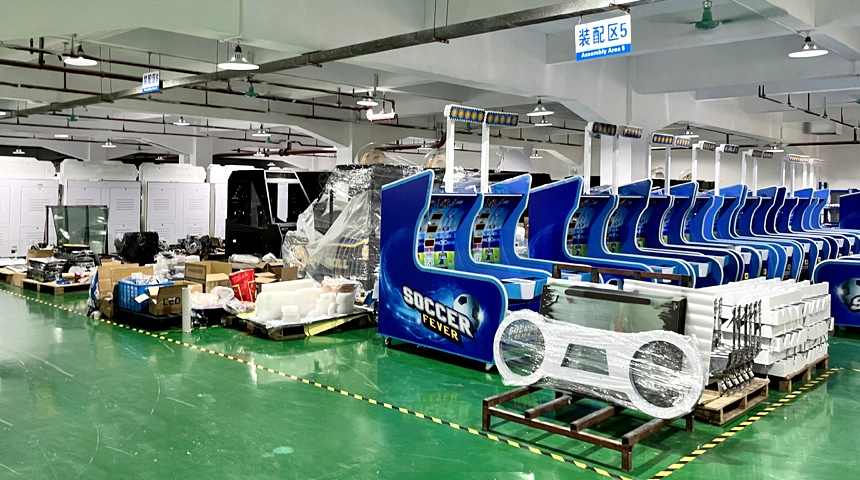
Muchas máquinas recreativas básicas utilizan MDF delgado o plásticos de baja calidad que se agrietan bajo la presión constante de un centro de entretenimiento familiar (FEC, por sus siglas en inglés). Las unidades de calidad profesional de fabricantes como PALM FUN utilizan madera contrachapada reforzada con laminados de alta presión y vidrio templado de seguridad. Preste especial atención al canto y a los protectores de esquina metálicos. En un entorno de mucho tránsito, el aspecto físico de la máquina influye directamente en la confianza del jugador; una máquina deteriorada se percibe como "rota" o "injusta", lo que reduce significativamente sus ganancias diarias.
¿Cómo protegen sus ganancias los ajustes de pago programables?
Un error común para los principiantes es comprar una máquina con lógica de pago fija o limitada. Es fundamental buscar una máquina de juegos de canje que ofrezca un control preciso del porcentaje de pago promedio. Las placas lógicas avanzadas permiten ajustar el valor de los boletos, los umbrales de bonificación y los boletos de gracia para adaptarlos a la economía local. Esta flexibilidad garantiza un margen de beneficio del 25-30%, considerado el estándar de oro en la industria para la sostenibilidad de las salas de juegos.
¿Por qué es vital el diseño de componentes modulares para el mantenimiento?
El tiempo de inactividad es el principal enemigo de la rentabilidad de las máquinas recreativas. Si la falla de un solo motor requiere desmontar todo el mueble, se pierden días de ingresos. Busque diseños modulares "plug-and-play" donde la fuente de alimentación, la placa base y las unidades dispensadoras de bolas se encuentran en rieles deslizantes o soportes de liberación rápida. Esto permite que un técnico de sala reemplace un componente defectuoso en menos de diez minutos. Además, las piezas estandarizadas significan que no está limitado a un único proveedor propietario para reparaciones básicas, lo que reduce sus costos de mantenimiento a largo plazo.
¿La máquina es compatible con los sistemas modernos de pago sin efectivo?
La industria está dejando atrás rápidamente las fichas físicas y los boletos de papel. Asegúrese de que el juego que elija sea compatible con pagos electrónicos y cuente con interfaces estándar de pulso o seriales (como MDB o ccTalk). Debe ser compatible con lectores de tarjetas RFID y sistemas de boletos electrónicos. Las máquinas que no son compatibles con los sistemas de telemetría modernos impiden el seguimiento del rendimiento en tiempo real, lo que imposibilita optimizar la distribución de la sala según el comportamiento real de los jugadores y las horas pico de uso.
Con más de 15 años de experiencia especializada, PALM FUN ha dominado la sinergia entre la durabilidad mecánica y la psicología del jugador. Nuestro equipo de ingeniería se centra en diseños de alto rendimiento y una sólida integración de sensores para garantizar que cada máquina que fabricamos sea un pilar fundamental, fiable y rentable para su local de entretenimiento. Cerramos la brecha entre la excelencia técnica y la rentabilidad operativa, proporcionando el profundo conocimiento del sector necesario para el éxito a largo plazo en el competitivo mercado de las máquinas de canje.
Para obtener un presupuesto personalizado y asesoramiento experto sobre las soluciones de máquinas recreativas más rentables, póngase en contacto con nuestro equipo directivo en www.palm-fun.com o envíe un correo electrónico directamente a luobin@palm-fun.com.
Preguntas frecuentes
¿Cómo afecta la velocidad de retorno de la pelota a sus ingresos por hora?
El tiempo de ciclo del mecanismo de devolución de pelotas es el principal obstáculo para los ingresos. Si el sistema tarda más de tres segundos en reciclar una pelota, se pierde aproximadamente el 15 % de la facturación potencial en hora punta. Los ciclos más rápidos mantienen a los jugadores entretenidos y maximizan las métricas de monedas depositadas.
¿Qué tecnología de sensores garantiza la máxima precisión en la puntuación?
Las máquinas modernas de alta gama utilizan cortinas de luz infrarroja (IR) de grado industrial o sensores ultrasónicos. Estos sensores sin contacto ofrecen una precisión y durabilidad superiores en comparación con los microinterruptores mecánicos, lo que evita disputas entre jugadores y garantiza la integridad de los pagos.
¿Qué materiales de armarios resisten entornos comerciales de alto tránsito?
Las unidades de calidad profesional utilizan madera contrachapada reforzada con laminados de alta presión y vidrio de seguridad templado. Los materiales de calidad y los protectores de esquina metálicos son esenciales para mantener la apariencia de la máquina y la confianza de los jugadores en entornos concurridos.
¿Cómo protegen sus ganancias los ajustes de pago programables?
Las placas lógicas avanzadas permiten a los operadores ajustar el valor de los boletos y los umbrales de bonificación. Esta precisión garantiza que se pueda mantener un ratio de coste de ventas del 25-30%, que es el estándar del sector para una rentabilidad sostenible de las salas de juegos.
¿Por qué es vital el diseño de componentes modulares para el mantenimiento?
Los diseños modulares con componentes de fácil instalación permiten a los técnicos reemplazar las piezas defectuosas en minutos, en lugar de horas. Esto minimiza el tiempo de inactividad y garantiza que la máquina siga generando ingresos durante las horas pico de operación.
¿La máquina es compatible con los sistemas modernos de pago sin efectivo?
Es fundamental que las máquinas estén preparadas para pagos sin efectivo y cuenten con interfaces estándar como MDB o ccTalk. La compatibilidad con lectores de tarjetas RFID y sistemas de billetes electrónicos permite un mejor seguimiento de los datos y una mayor adaptación a los hábitos de consumo actuales.
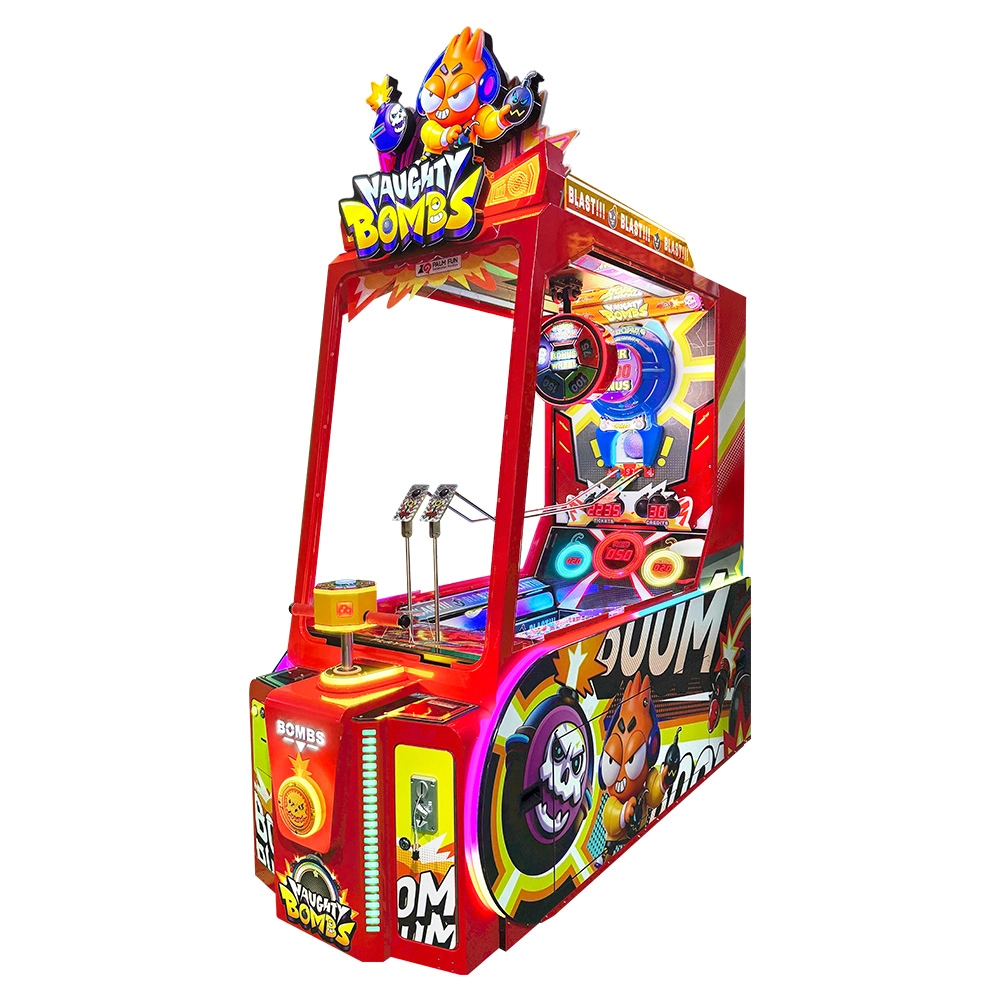
Naughty Bombs es un juego arcade de canje de bolas con mecánica de juego dinámica, objetivos de colores, premios en forma de boletos, bonificaciones sorpresa, efectos de luz y sonido. Los jugadores deben calcular el tiempo para lanzar y dejar caer las bolas hacia las áreas objetivo de colores. Este producto está diseñado para salas de juegos, centros de entretenimiento familiar y otros espacios de ocio, con configuración de voltaje personalizable de 110 V/220 V CA.
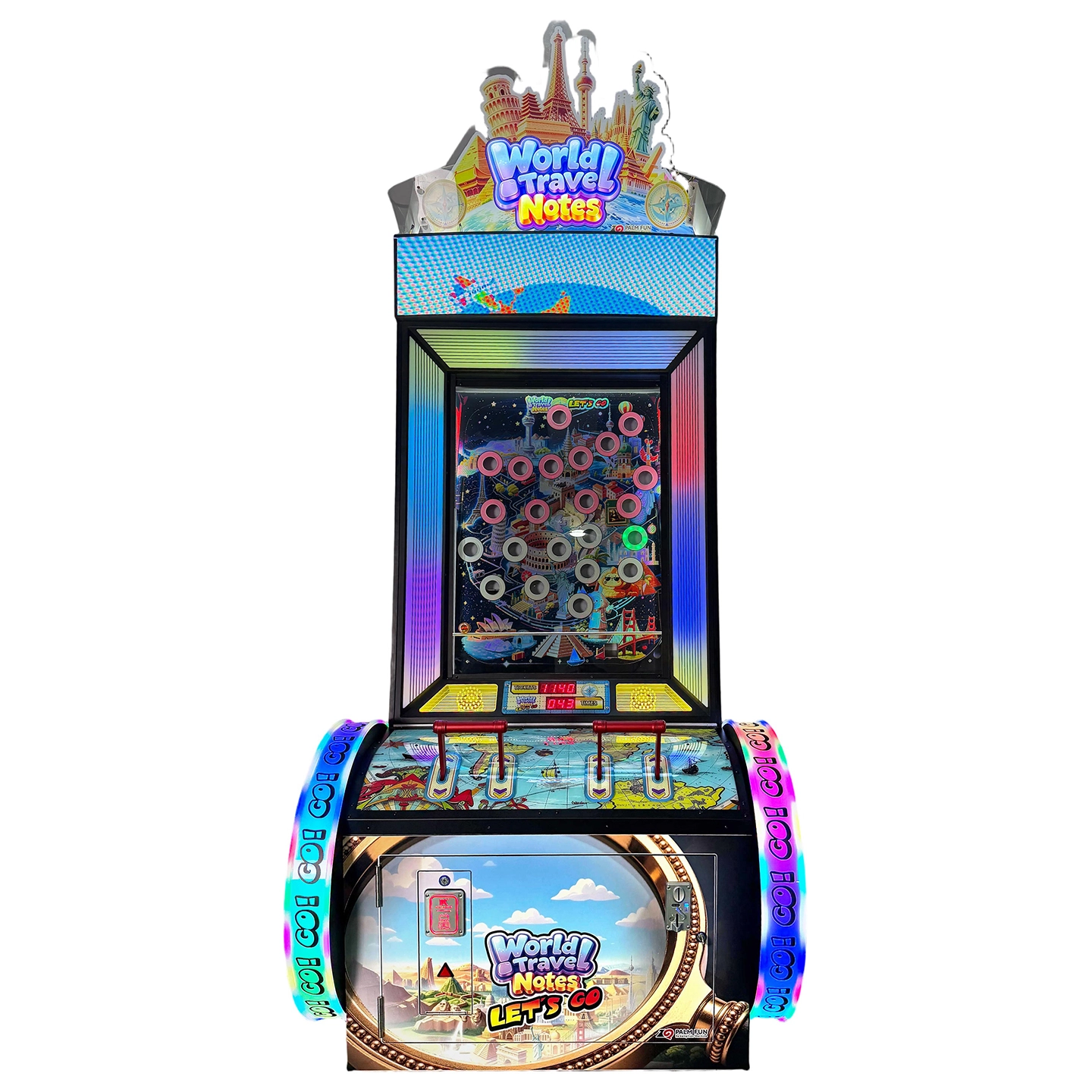
World Travel Notes es un juego arcade de habilidad con una bola de equilibrio que convierte cada partida en un viaje alrededor del mundo. Los jugadores controlan dos asas para inclinar la tabla, guiando una bola rodante a través de un mapa del mundo hacia el agujero objetivo iluminado. Cada nivel superado aumenta la dificultad, y solo los jugadores más habilidosos alcanzan el agujero más alto para reclamar el gran premio. Con su colorida temática de viajes por el mundo, iluminación RGB dinámica, visualización de puntuación en tiempo real y diseño de desafío progresivo, World Travel Notes es una atracción irresistible para salones recreativos, centros de entretenimiento familiar y centros comerciales que buscan aumentar la participación de los jugadores y los ingresos.
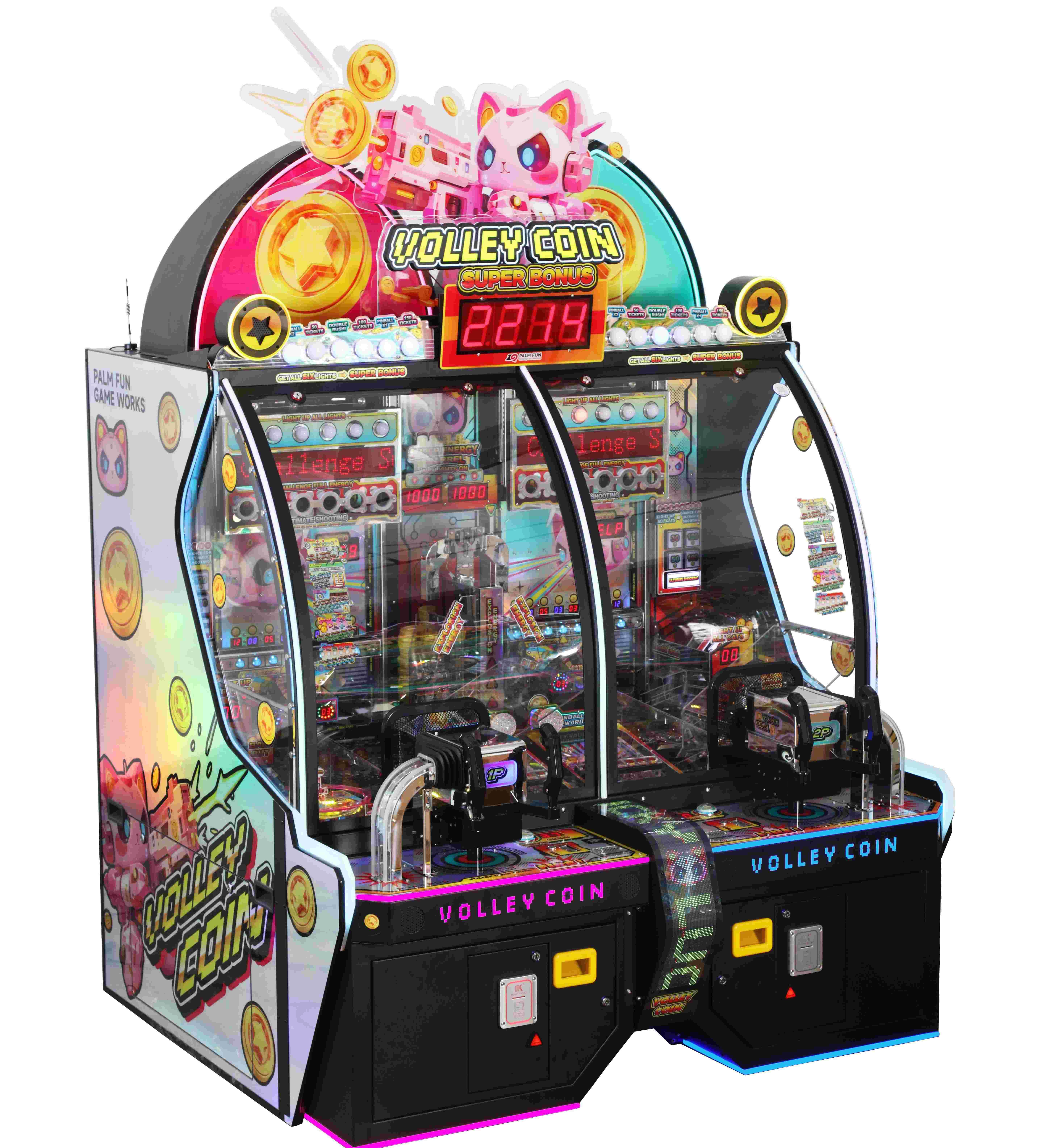
Volley Coin es una innovadora máquina recreativa de canje de tickets desarrollada por Palm Fun Electronics. Combinando la emoción de un juego de disparos de fichas de ritmo rápido con la probada rentabilidad de una máquina tradicional de empujar monedas, Volley Coin ofrece una experiencia de juego novedosa y atractiva para jugadores de todas las edades.
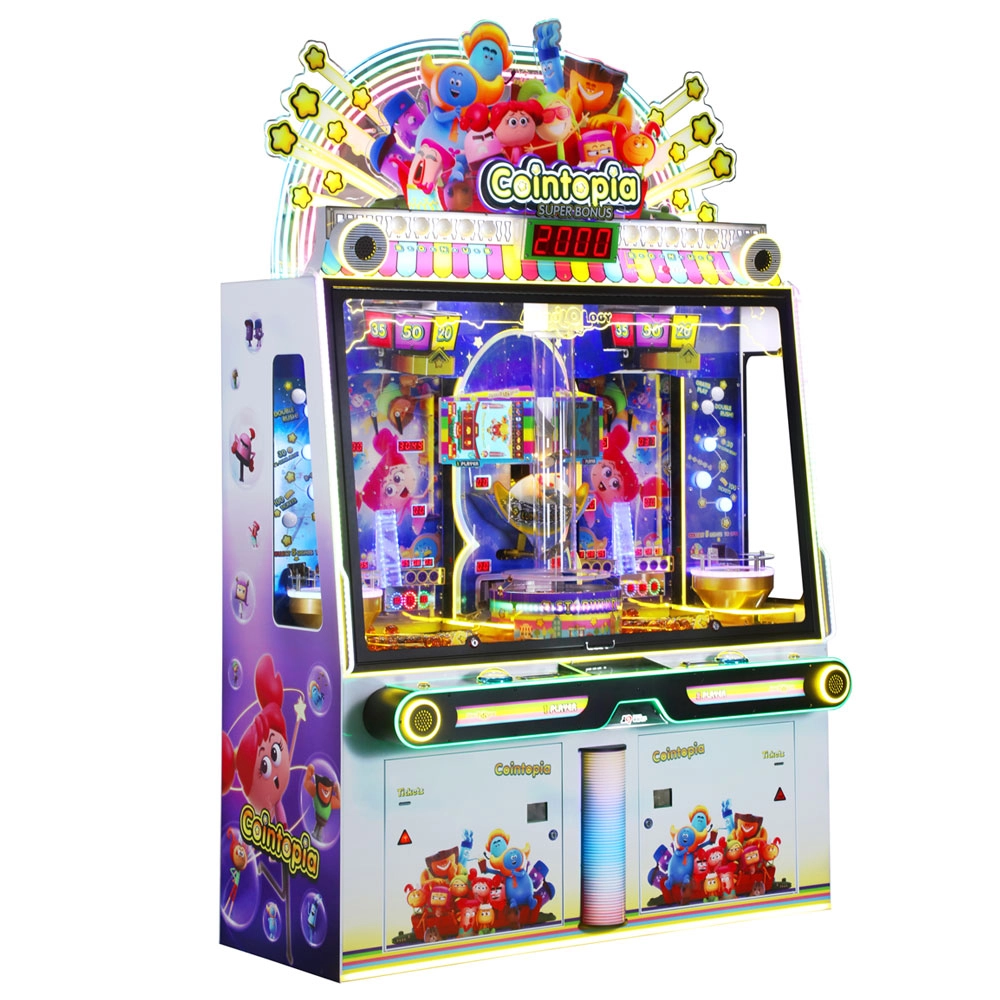
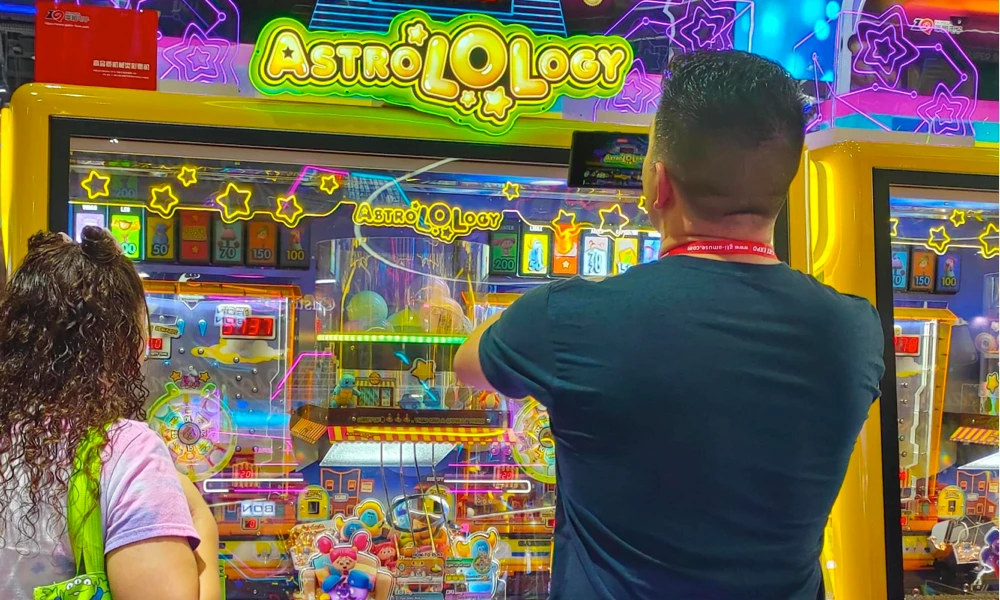
COINTOPIA de PALM FUN es una emocionante máquina de canje donde los jugadores disfrutan de la diversión con sus amigos del zodiaco en un entorno utópico. Esta máquina de canje de boletos ofrece una jugabilidad atractiva y experiencias gratificantes, perfecta para centros de entretenimiento familiar y salas de juego que buscan juegos de canje de alta calidad.

Copyright © 2026 PALM FUN Todos los derechos reservados. |política de privacidad•Términos y condiciones|Mapa del sitio
Palmfunarcade
Juego arcade Palm Fun
WhatsApp: +8618126837443
Sala de juegos PalmFun
PalmFun_Arcade
Máquina de canje PALM FUN