








Ticari amaçlı kullanılan bir langırt makinesinin fiyatı ne kadar?
2024 yılında ticari langırt makinelerinin gerçek maliyetlerini keşfedin. Bu uzman kılavuz, rekabetçi ödüllü oyun pazarında işletmecilerin yatırım getirisini en üst düzeye çıkarmalarına yardımcı olmak için fiyatlandırmayı, gizli bakım giderlerini ve gelir paylaşım modellerini ayrıntılı olarak ele alıyor. Klasik ve modern oyunlar arasında nasıl seçim yapacağınızı öğrenin.
- 1. Yoğun trafiğe sahip mekanlar için üretilen Pro, Yüksek Kalite ve Sınırlı Üretim ticari langırt makineleri arasındaki gerçek fiyat farkı nedir?
- 2. DMD ve LCD ekranlar için gizli bakım maliyetleri uzun vadeli işletme bütçelerini nasıl etkiler?
- 3. Modern langırt makineleri, bilet karşılığı ödeme sistemine etkili bir şekilde entegre edilebilir mi?
- 4. 10 makinelik bir langırt salonunun spesifik güç tüketimi ve elektrik altyapısı gereksinimleri nelerdir?
- 5. Yeni bir langırt oyununun 'kod olgunluğu', yeniden satış değerini ve kazanç potansiyelini nasıl etkiler?
- 6. 'İşletmeci-Distribütör' gelir paylaşım modeli, üst düzey langırt makineleri için hala geçerli mi?
Modern eğlence dünyasında yol almak, sadece nostalji sevgisinden daha fazlasını gerektirir; her bir palet ve pistonun ardındaki ekonomiyi derinlemesine anlamayı gerektirir. Yatırımcılar "Ticari bir langırt makinesinin maliyeti ne kadar?" diye sorduklarında, genellikle ticari işletmenin karmaşıklığını, bakım döngülerini ve ödüllü oyun makinelerinin gelişen teknolojisini göz ardı eden yüzeysel perakende fiyatlarıyla karşılaşırlar. Bu kılavuzda, profesyonel işletmecilerin mekanlarına bir langırt makinesi entegre ederken karşılaştıkları özel zorlukları ele alıyoruz.
1. Yoğun trafiğe sahip mekanlar için üretilen Pro, Yüksek Kalite ve Sınırlı Üretim ticari langırt makineleri arasındaki gerçek fiyat farkı nedir?
Ticari bir langırt makinesinin maliyeti genellikle 6.000 ila 15.000 dolar arasında değişmektedir. Ancak, yatırım getirisi (ROI) açısından kademeler arasındaki ayrım çok önemlidir. 'Pro' model (yaklaşık 6.000-7.000 dolar), geleneksel lambalar ve daha az mekanik oyuncak kullanır, bu da yüksek hacimli bir oyun salonunda bakımını kolaylaştırır. 'Yüksek Kalite' ve 'Sınırlı Üretim' modelleri (9.000-15.000 dolar ve üzeri), karmaşık kinetik sanat eserleri, hareketli rampalar ve gelişmiş aydınlatma özelliklerine sahiptir. Bunlar meraklıları cezbetse de, artan mekanik karmaşıklık, denetimsiz yerlerde genellikle daha yüksek arıza sürelerine yol açar. Çoğu Aile Eğlence Merkezi (FEC) için, Pro model, daha düşük başlangıç sermaye harcaması ve basitleştirilmiş parça değişimi nedeniyle en hızlı geri ödeme süresini sunar.
2. DMD ve LCD ekranlar için gizli bakım maliyetleri uzun vadeli işletme bütçelerini nasıl etkiler?
İlk satın almanın ötesinde, modern LCD ekranların ve eski tip nokta vuruşlu ekranların (DMD) bakımı önemli bir masraftır. Ticari sınıf bir LCD panelin yedek fiyatı 300 ila 500 dolar arasında değişebilirken, sürücü kartlarının fiyatı 400 doları aşabilir. Yüksek nemli veya tozlu ortamlarda bu bileşenler arızalanmaya yatkındır. Operatörler, makinenin oyuncu deneyimini bozmadan "kazanmaya hazır" durumda kalmasını sağlamak için solenoidler, flipper tamir kitleri ve yüksek dayanıklılığa sahip oyun alanı koruyucuları gibi özel parçalar için makinenin değerinin yaklaşık %5-8'ini yıllık olarak bütçelemelidir.
3. Modern langırt makineleri, bilet karşılığı ödeme sistemine etkili bir şekilde entegre edilebilir mi?
Geleneksel olarak, langırt "eğlence amaçlı oynanan" bir oyundu. Ancak, modern ödüllü oyun makinesi teknolojisi artık "Ödüllü Langırt"a olanak tanıyor. İşletmeciler, Benchmark veya Bay Tek gibi özel arayüz kartları kurarak yüksek puanları veya belirli kilometre taşlarını dijital biletlere dönüştürebiliyorlar. Bu entegrasyon genellikle ilk maliyete 500-800 dolar ekliyor, ancak özellikle çocukların ve ailelerin ana hedef kitle olduğu mekanlarda kazanma oranını %30-40 oranında artırabiliyor, çünkü langırt salonu deneyimini modern oyun salonlarının ödül odaklı yapısıyla uyumlu hale getiriyor.
4. 10 makinelik bir langırt salonunun spesifik güç tüketimi ve elektrik altyapısı gereksinimleri nelerdir?
Sık yapılan bir hata, elektrik yükünü hafife almaktır. Modern LED tabanlı bir langırt makinesi, en yoğun oyun sırasında yaklaşık 2,5 ila 3 Amper akım çeker. 10 makineden oluşan bir grup için, tüm solenoidlerin aynı anda çalıştığı çoklu top modlarında gereksiz devre kesmelerini önlemek için en az iki adet 20 Amperlik özel devreye ihtiyaç duyulur. Ayrıca, yüksek kaliteli aşırı gerilim koruyucuları kullanmak şarttır; tek bir güç dalgalanması 800 dolarlık bir CPU kartını yakabilir ve bu maliyet, standart ticari garantilerde "aşınma ve yıpranma" bileşenleri için nadiren karşılanır.
5. Yeni bir langırt oyununun 'kod olgunluğu', yeniden satış değerini ve kazanç potansiyelini nasıl etkiler?
Yeni bir langırt makinesi satın alırken, sadece donanım değil, yazılım da satın alıyorsunuz. 'Erken kodlu' makineler genellikle hatalara veya oyuncuları elde tutmayı başaramayan sığ bir oyun mekaniğine sahiptir. Stern veya Jersey Jack gibi saygın üreticilerin makineleri, kod 1.0 veya daha yüksek bir sürüme ulaştığında değerlerinin arttığını görür. Olgun, derin kurallara sahip bir makine, hızla değer kaybeden genel ödüllü makinelere kıyasla daha yüksek bir ikinci el satış değerini korur (iki yıl sonra genellikle perakende satış fiyatının %80-90'ı). Bu da 'Kod Olgunluğu'nu toplam sahip olma maliyetini hesaplamak için hayati bir ölçüt haline getirir.
6. 'İşletmeci-Distribütör' gelir paylaşım modeli, üst düzey langırt makineleri için hala geçerli mi?
Ticari bir langırt makinesinin maliyetinin 7.000 doların üzerinde olduğu göz önüne alındığında, birçok yeni işletmeci gelir paylaşımına yöneliyor. Bu modelde, bir distribütör makineyi ücretsiz olarak yerleştiriyor ve kazançları paylaşıyor (genellikle %50/%50). Bu, başlangıçtaki riski azaltırken, 'maliyet' uzun vadeli kâr kaybıdır. Modern nakitsiz ödeme sistemleriyle (Intercard veya Embed gibi), kazançların takibi şeffaftır. Eğer mekanınızda hafta sonu 500'den fazla kişi yaşıyorsa, makineyi doğrudan satın almak matematiksel olarak daha avantajlıdır, çünkü makine genellikle 12 ila 18 ay içinde düzenli oyun oynanmasıyla kendini amorti eder.
Bir langırt salonuna yatırım yapmak, başlangıç sermayesi harcaması ile uzun vadeli dayanıklılık arasında stratejik bir denge gerektirir. Doğru model seviyesini seçerek ve modern ödüllü oyun makinelerinin teknik gereksinimlerini anlayarak, işletmeciler zamanın testine dayanacak karlı ve ilgi çekici bir ortam yaratabilirler. Güvenilirliği yüksek kazanç potansiyeliyle birleştiren yüksek kaliteli ekipmanlar için Palm Fun, mekanınızın ihtiyaçlarına göre uyarlanmış sektör lideri çözümler sunmaktadır.
Tesisiniz için profesyonel bir danışmanlık ve özelleştirilmiş bir fiyat teklifi almak için lütfen luobin@palm-fun.com adresinden bizimle iletişime geçin veya www.palm-fun.com adresini ziyaret edin.
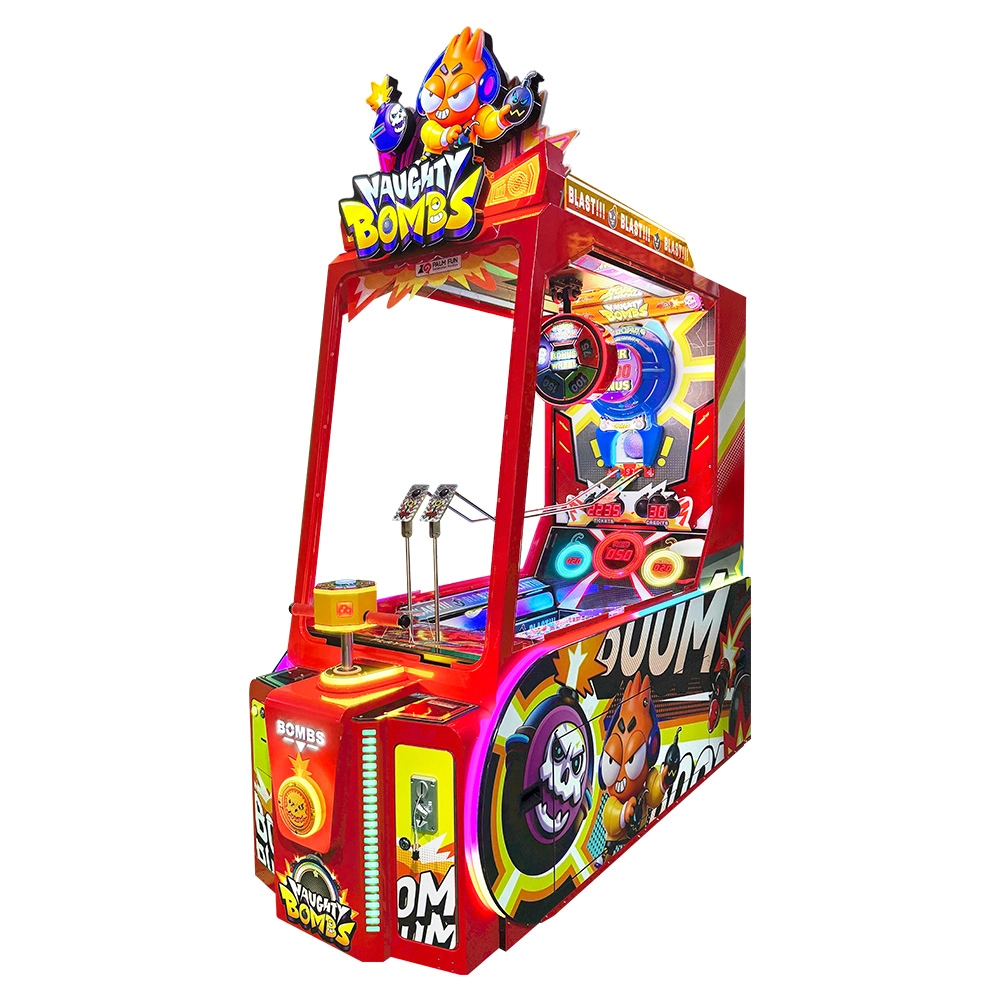
Naughty Bombs, oyuncuların dikkatini çekmek ve tekrar tekrar oynamalarını sağlamak için tasarlanmış heyecan verici bir ödüllü arcade oyunudur. Parlak kırmızı kabini, dinamik aydınlatması, eğlenceli ses efektleri ve etkileşimli yuvarlanan top oynanışıyla, kompakt bir alanda kesintisiz heyecan sunar. Oyuncular, sürpriz bonus ödülleri ve bilet ödüllerini açmak için topları renkli hedeflere fırlatıp düşürerek zamanlama becerilerini test ederler. Öğrenmesi kolay mekanikleri, ilgi çekici beceriye dayalı aksiyonu ve güçlü görsel çekiciliğiyle Naughty Bombs, oyuncu etkileşimini ve gelirini artırmak isteyen arcade salonları, eğlence merkezleri ve eğlence mekanları için ideal bir cazibe merkezidir.
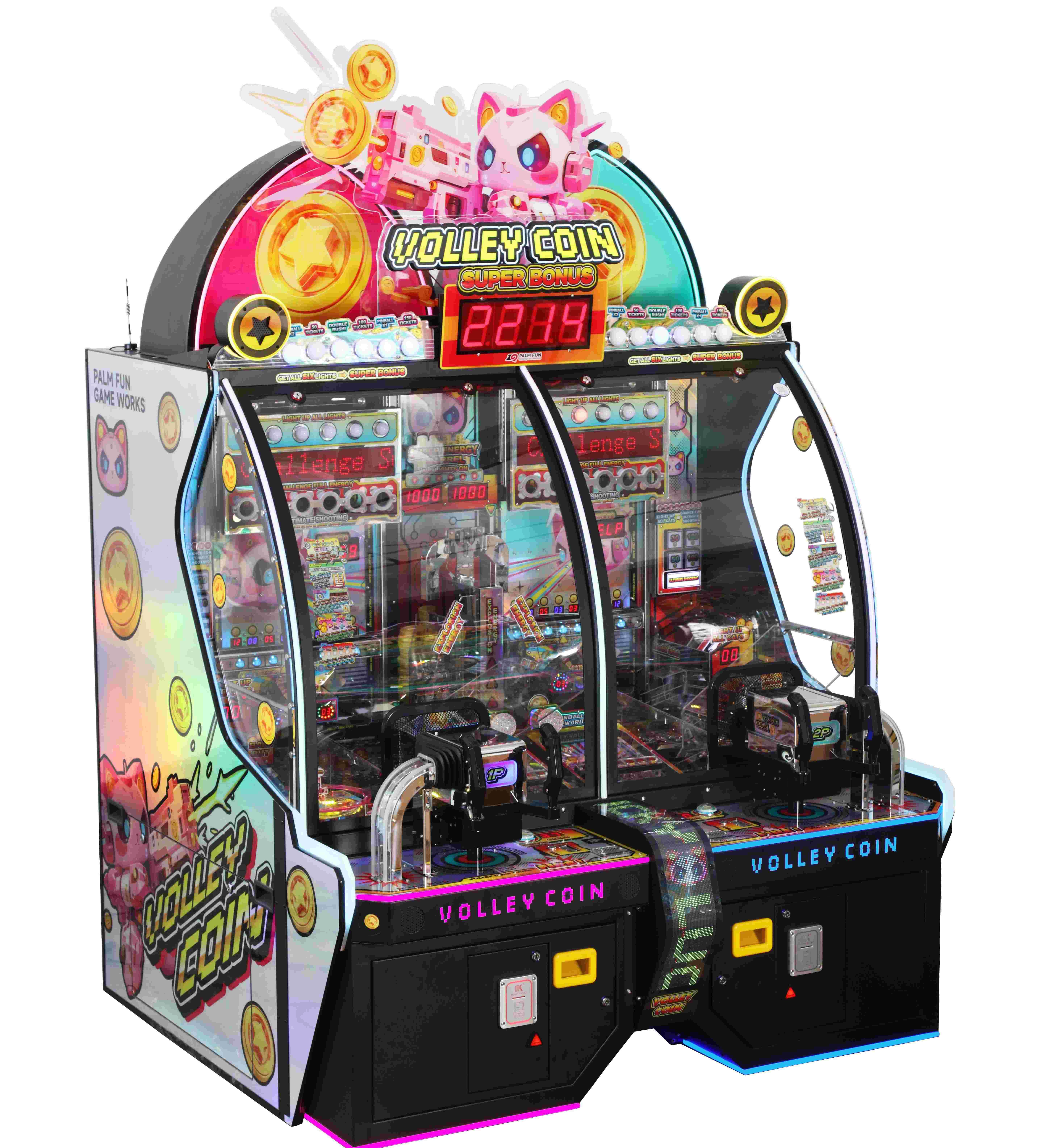
Volley Coin, Palm Fun Electronics tarafından geliştirilen yenilikçi bir arcade bilet ödül makinesidir. Hızlı tempolu jeton atma oyununun heyecanını, geleneksel jeton itme makinelerinin kanıtlanmış kazanç gücüyle birleştiren Volley Coin, her yaştan oyuncuya hitap eden yeni ve ilgi çekici bir oyun deneyimi sunuyor.
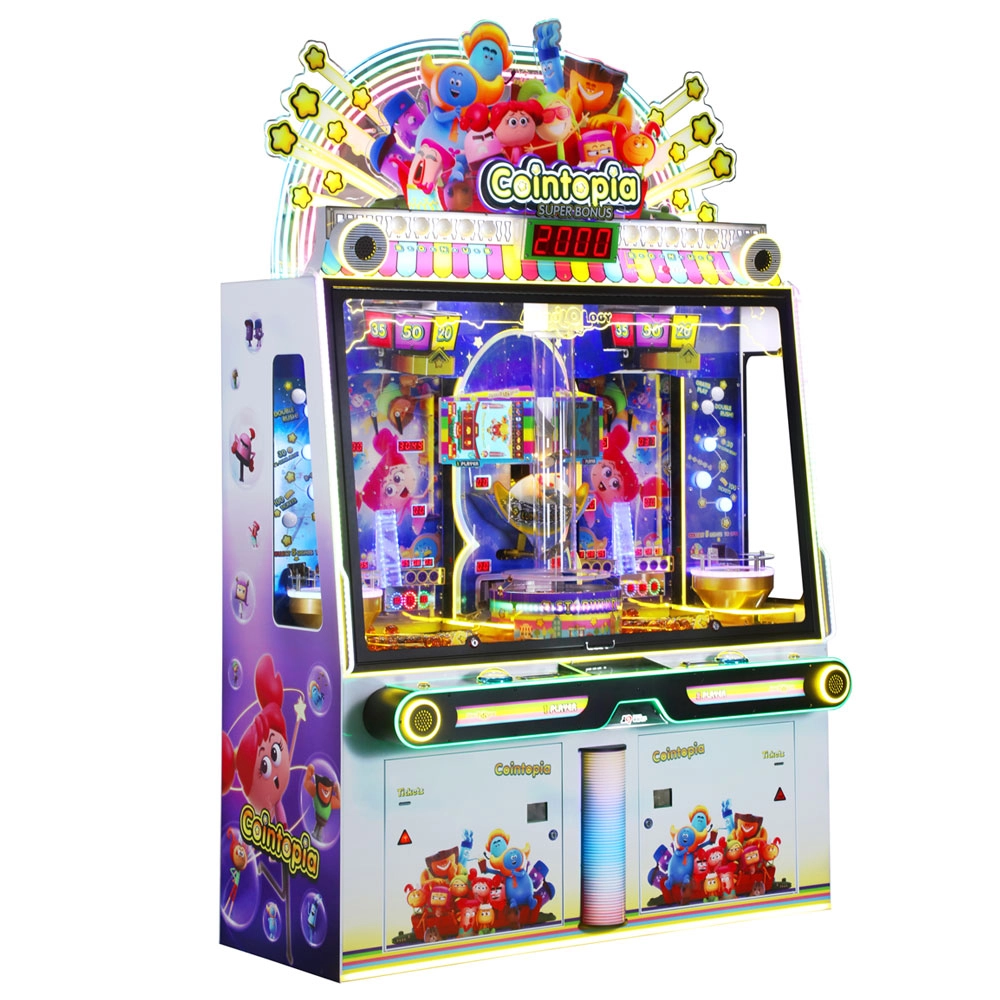
PALM FUN'ın COINTOPIA'sı, oyuncuların ütopik bir ortamda burç arkadaşlarıyla eğlendiği heyecan verici bir ödüllü oyun makinesidir. Bu ödüllü oyun makinesi, ilgi çekici bir oyun deneyimi ve ödüllendirici deneyimler sunarak, en kaliteli ödüllü oyunları arayan aile eğlence merkezleri ve oyun salonları için mükemmeldir.
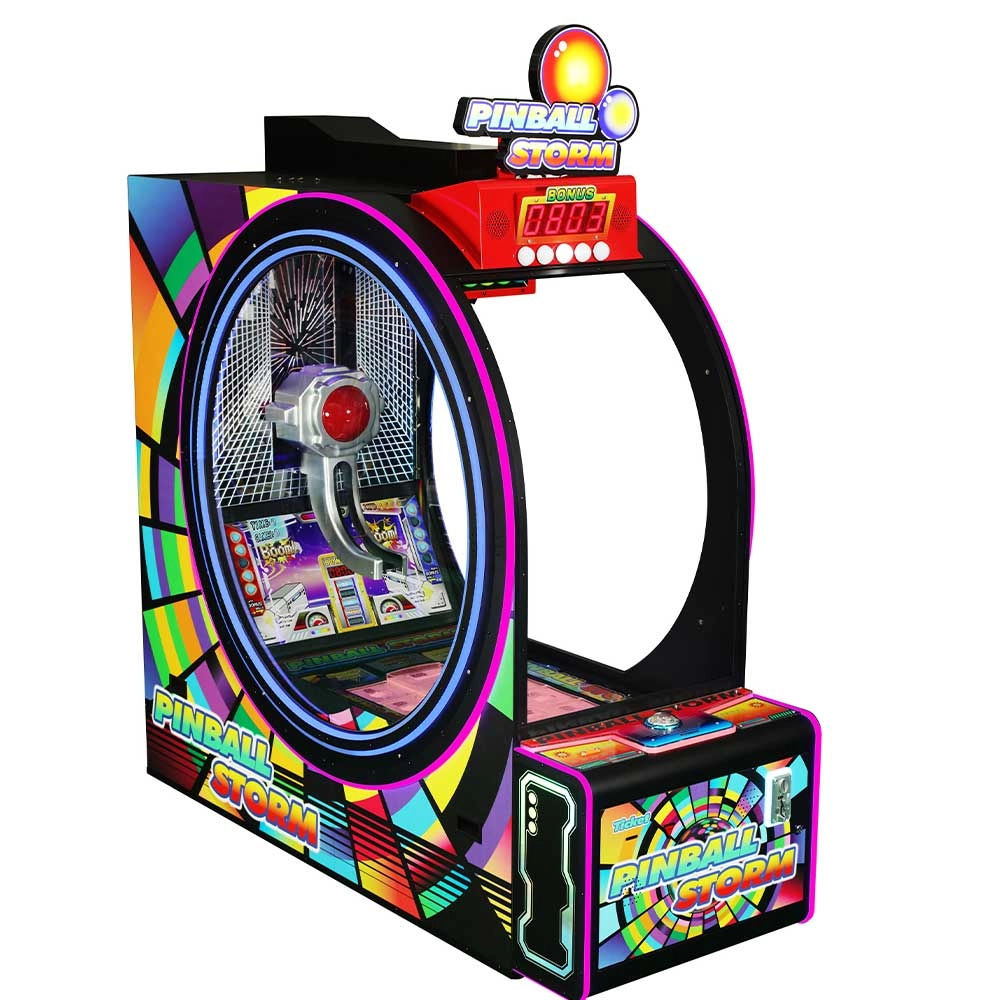
Klasik pinball yeniden tasarlandı! Vur, sektir ve ödüller kazan. Pinball Storm'u tetikleyerek destansı bir çoklu top patlaması yaşa!

Telif hakkı © 2026 PALM FUN Tüm Hakları Saklıdır. |Gizlilik Politikası•Şartlar ve koşullar|Site Haritası
palmfunarcade
Palm Fun Arcade Oyunu
WhatsApp: +8618126837443
PalmFun Oyun Salonu
PalmFun_Arcade
PALM FUN Kurtarma Makinesi