


Marble Pusher Arcade Game Maintenance Guide
- Build a maintenance routine that prevents downtime
- Use a daily opening and closing checklist
- Schedule deeper weekly and monthly inspections
- Clean and inspect without damaging the game
- Choose materials and methods carefully
- Inspect the playfield, pusher, and redemption path
- Compare routine checks by frequency
- Troubleshoot common symptoms safely
- When the pusher hesitates or play becomes inconsistent
- When controls, display, or redemption do not respond
- Protect uptime and choose a game built for operation
- Use records to improve reliability
- Evaluate the product as part of the venue plan
- Frequently Asked Questions

A reliable marble pusher depends on clean play surfaces, correctly moving parts, safe electrical connections, and consistent inspection. This guide gives arcade operators a practical daily, weekly, and monthly maintenance routine, explains how to identify common faults, and outlines when to stop troubleshooting and contact a technician. It also covers the lovely marble pusher redemption arcade game, an original Palm Fun Electronics product developed with the AstroLOLogy animation IP, designed to combine a compact footprint with strong player appeal and earning potential.
Build a maintenance routine that prevents downtime
Preventive maintenance is more effective than waiting for a jam, payout error, or customer complaint. A marble pusher redemption arcade game has moving mechanisms and a playfield that may collect dust, fingerprints, and debris during normal operation. Small issues—such as a loose fastener or an inconsistent sensor reading—can become service interruptions if they go unnoticed. Assign a named team member to complete checks and record results so the routine does not depend on memory or shift changes.
Use a daily opening and closing checklist
Before opening, look over the cabinet for damage, confirm that the power cable and plug appear intact, and check that the game starts normally. Observe a complete play cycle where practical: the pusher should move smoothly, the controls should respond, and the display, lights, sound, and ticket or redemption functions should behave as intended. Check for visible obstructions and listen for a new scraping, clicking, or grinding sound. At closing, remove loose debris from accessible areas and note anything that needs follow-up.
Operators maintaining a lovely marble pusher redemption arcade game should also check that the cabinet is stable and that the game has adequate clearance for ventilation and service access. Record unusual behavior rather than making an unapproved adjustment. A short note such as “pusher hesitated on three test cycles” is more useful to a technician than “game seems off.”
Schedule deeper weekly and monthly inspections
Weekly checks can include cleaning accessible play surfaces, inspecting visible moving components for wear or looseness, and confirming that coin, card, or other configured payment inputs work. Monthly checks should include a more deliberate review of cabinet condition, fasteners, wiring that is intended to be user-inspectable, ventilation openings, and the accuracy of the game’s redemption process. Follow the manufacturer’s service instructions for any inspection that requires opening a panel.
Set inspection intervals according to actual use. A busy family entertainment center may need more frequent cleaning and observation than a low-traffic venue. Keep the manufacturer’s manual, service contact details, and approved replacement-part information with the maintenance log. The ISO 12100 machinery safety standard describes a risk-based approach to machinery safety; operators should apply the equipment maker’s instructions and local requirements rather than improvising repairs.
Clean and inspect without damaging the game
Regular cleaning protects the player experience and can help reveal problems early. Dust and residue can obscure visual indicators, collect around moving parts, or make a cabinet look poorly maintained. Use cleaning products and methods approved by the manufacturer. Avoid spraying liquid directly onto the game, especially near openings, controls, sensors, displays, or electrical components.
Choose materials and methods carefully
Power the game down using the approved procedure before cleaning areas where contact with moving parts or electrical components is possible. Use a soft, lint-free cloth for exterior surfaces and a lightly dampened cloth only where the manual permits it. Do not use abrasive pads, harsh solvents, or excess moisture unless the manufacturer specifically authorizes them. Never reach into an operating mechanism to remove a marble or other obstruction.
Cleaning practices should be compatible with the materials and intended use of the machine. The CDC’s guidance on cleaning and disinfecting distinguishes routine cleaning from disinfection; follow the game maker’s directions to avoid damaging finishes or components. If the playfield needs internal cleaning, consult the manual or a qualified service provider rather than dismantling parts without guidance.
Inspect the playfield, pusher, and redemption path
Look for debris, unusual wear, misaligned visible parts, and any change in how the pusher travels. Confirm that marbles or other game pieces move as intended and are not trapped in an area that blocks play. Check the redemption outlet for obstructions and verify that tickets or other configured rewards are dispensed consistently during a controlled test. Do not alter payout settings to compensate for a mechanical fault; settings should follow the operator’s authorized configuration and applicable regulations.
For the lovely marble pusher redemption arcade game, keep the surrounding area clear and avoid placing merchandise or decorations where they could obstruct airflow, access panels, or player movement. Its compact dimensions—1750 mm × 1100 mm × 2650 mm—can help operators plan floor layouts, but the installation still needs practical clearance for safe operation, cleaning, and servicing.
Compare routine checks by frequency
| Frequency | Operator check | Record or action |
|---|---|---|
| Daily | Exterior condition, startup, controls, sounds, visible obstructions, and basic play cycle | Log faults; stop use if there is a safety concern |
| Weekly | Accessible surface cleaning, visible wear, payment input, and redemption test | Note recurring inconsistencies and cleaning needs |
| Monthly | Cabinet stability, ventilation openings, approved visible fasteners, and service history | Arrange qualified service for issues needing internal access |
| After a fault | Check the symptom, error indicators, and recent maintenance notes | Use the manual; escalate unresolved or safety-related faults |
Troubleshoot common symptoms safely
Good troubleshooting starts with observation, not disassembly. Note when the problem occurs, whether it affects every game or only some plays, and whether an error message or sound accompanies it. Compare the symptom with the manufacturer’s troubleshooting instructions. A lovely marble pusher redemption arcade game should be taken out of service if it shows exposed wiring, smoke, a burning odor, unusual heat, liquid intrusion, or uncontrolled movement.
When the pusher hesitates or play becomes inconsistent
First, stop play and check for an obvious obstruction only in areas the operator is permitted to access. Confirm that the cabinet is stable and that no external object is interfering with movement. Restart the game only if the manual recommends it and the machine is safe to do so. If hesitation returns, do not repeatedly cycle the mechanism or force a moving part; log the conditions and request qualified service. Repeated jamming may indicate a mechanical or sensor issue that needs diagnosis.
When controls, display, or redemption do not respond
Check the simplest approved causes first: confirm that the game has power, inspect the accessible cable and plug for visible damage, and review the operator instructions for a documented reset procedure. If the display works but the redemption output does not, perform only the manual-approved test and verify the outlet is not visibly blocked. Do not bypass a sensor, alter wiring, or change payout settings to mask the fault. Record the error code, approximate time, and test result to help service personnel narrow the cause.
For any work involving electrical components or hazardous stored energy, use trained personnel and the applicable safety procedure. The OSHA control of hazardous energy standard sets out lockout/tagout requirements for covered servicing and maintenance in the United States. The specific requirements depend on the work and jurisdiction; operators should follow local law and the manufacturer’s service instructions.
Protect uptime and choose a game built for operation
Maintenance is part of the operating plan, not an isolated repair task. Track downtime, recurring symptoms, cleaning frequency, and service visits. Reviewing these records can show whether a fault is one-off or recurring, help managers schedule service before a busy period, and support better decisions about spare parts and floor placement. Train staff to report symptoms promptly and to distinguish routine external checks from work reserved for qualified technicians.
Use records to improve reliability
A simple log should identify the date, staff member, symptom, action taken, test outcome, and whether the game returned to service. Include serial or asset identification if available. After a repair, verify normal operation through the manufacturer’s recommended test before reopening the game. If the same issue returns, share the full history with the service provider instead of repeating speculative fixes.
Set clear escalation rules: staff can clean approved exterior surfaces and report observations, while internal repairs and electrical work go to authorized technicians. Keep the game out of service when a fault could affect player safety, equipment protection, or fair redemption. This approach protects customers and prevents an incomplete repair from creating a larger interruption.
Evaluate the product as part of the venue plan
The lovely Marble Pusher Redemption Arcade game is an original product designed and developed by Palm Fun Electronics, with AstroLOLogy collaborating with the well-known animation IP of the same name. Its 1750 mm × 1100 mm × 2650 mm footprint is relatively compact for a visually distinctive redemption attraction. Palm Fun positions the game as a product with strong popularity and earning potential; actual revenue depends on venue traffic, pricing, operating hours, placement, and ongoing service.
When selecting a marble pusher redemption arcade game, compare more than the cabinet’s appearance. Consider available floor area, access for maintenance, local electrical requirements, staff capacity, redemption rules, and the support information supplied by the manufacturer. A game that fits the venue and is maintained consistently can offer a more dependable player experience and help operators protect the value of their investment.
Frequently Asked Questions
How often should a marble pusher arcade game be maintained?
Complete a basic visual and operational check daily, clean and inspect accessible areas weekly, and perform a more thorough monthly inspection. Adjust the schedule to match traffic and the manufacturer’s instructions.
Can I clean a marble pusher game while it is running?
Do not clean areas where you could contact moving parts or electrical components while the game is operating. Power the game down using the approved procedure, and use only cleaning methods and products permitted by the manufacturer.
What should I do if the pusher jams or hesitates?
Stop play and check for an obvious obstruction only in areas operators are permitted to access. Follow the manual’s approved steps; if the symptom returns, stop repeated cycling, record the issue, and contact a qualified service provider.
When should an arcade game be taken out of service?
Remove it from service if there is exposed wiring, smoke, a burning odor, unusual heat, liquid intrusion, uncontrolled movement, or another condition that could affect safety. Do not return it to play until the cause has been addressed.
Who can I contact about the lovely Marble Pusher Redemption Arcade game?
Contact Palm Fun Electronics at luobin@palm-fun.com for product information or support.
Recommended for you
Best coin pusher redemption machine supplier manufacturers and supplier brands
New Arcade Machines Buying Guide for Business Owners
How to start a drop game business in China
Custom arcade ticket games Manufacturers and suppliers
FAQs
The revenue proportion of redemption machines
How to guide the players to recognize tickets at the beginning setup of the redemption machines?
Never assume that your players already understand the purpose of lottery tickets(reward points). Even in venues that have been in operation for many years, it is still discovered during on-site interviews with players that many of them are not aware. Don't believe it? Just ask consumers at the venue. The machines, redemption counters, materials hung above the venue, and announcements by staff, among others, can all be channels for informing players about the purpose of lottery tickets(reward points). It is essential to do more promotion, create large displays and large cards, and clearly communicate the purpose of lottery tickets(reward points) to the players.
How to choose the exchange gifts of the tickets(reward points)?
2. Gifts should be diverse. This refers to the variety of items available, providing players with more choices. Everyone's preferences are different, especially adults who have higher expectations for gifts. The venue should strive to meet the diverse needs of these players.
3. Gifts should be fashionable. The younger generation that follows trends is very interested in the hottest items of the moment. If the venue can keep up with the latest trends, it can attract the majority of consumers.
4. Gifts should be innovative. Especially during holidays and seasons, it's a good idea to try out new approaches, creating a competitive advantage with unique offerings. For example, the current trend of combining pop culture and blind box culture.
How to guides works?
For example:
1. Proactively inquire and add tickets when a customer's machine is running low on tickets.
2. Assist players in organizing tickets when they are dispensed unevenly.
3. Offer storage tools such as storage bags and rubber bands when customers are arranging their tickets.
4. Provide free USB interfaces for charging near popular machines and rest areas.
5. Implement warm and clear reminders, guidance on ticket redemption, and directional signage, all designed to be straightforward. The more of these you provide, the more players will appreciate your thoughtfulness, without finding it bothersome.
How to select and match redemption machines?
2. the number of redemption game configuration: according to the characteristics of redemption machine, the proportion of redemption game configuration generally accounts for 30±5% of the whole field.
3. there are a lot of equipment on the market now, but less innovative, so the choice should be targeted in management and planning. We can divide redemption machines into children's, adults's, families, etc., according to different standards, with complete varieties and many styles, so as to give guests more choices and more changes. Specific can refer to the following:
① Inserting tokens in high frequency (mainly in mechanical redemption machines)
② Skill based games (mainly in mechanical redemption machines)
③ Games with edutainment significance (mainly in video redemption machines)
④ Entertaining games (mainly in video redemption machines)
You may also like
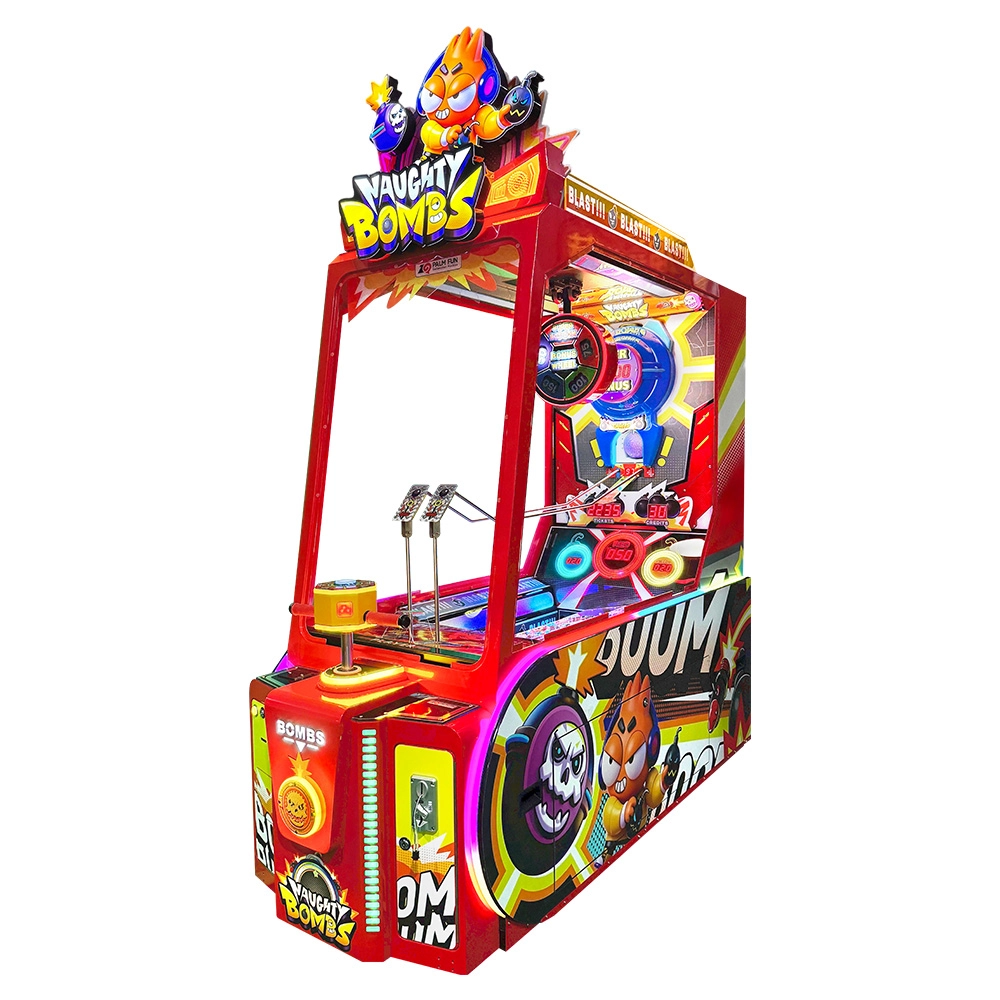
Naughty Bombs Ball Drop Redemption Arcade Game Machine
Naughty Bombs is a ball-drop redemption arcade game featuring rolling-ball gameplay, colored targets, ticket prizes, surprise bonus rewards, lighting and sound effects. Players use timing to launch and drop balls toward colored target areas. The product is presented for arcade, family entertainment center and other entertainment-venue projects, with customizable 110V / 220V AC voltage configuration.
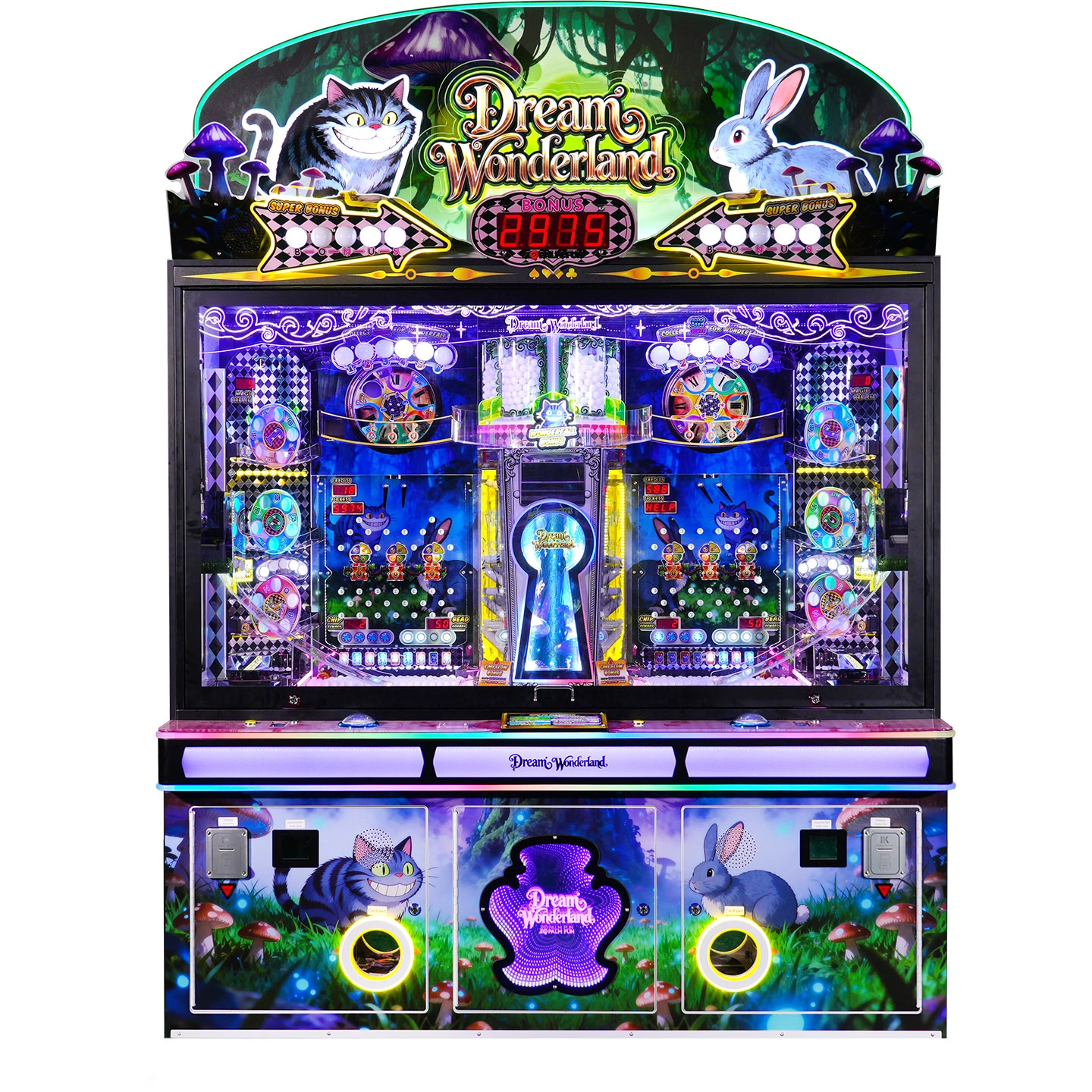
Dream Wonderland Marble Pusher Redemption Game
Enter Dream Wonderland — a magical marble pusher adventure filled with glowing lights, magic orbs, bonus wheels, collectible character cards, and exciting jackpot challenges.
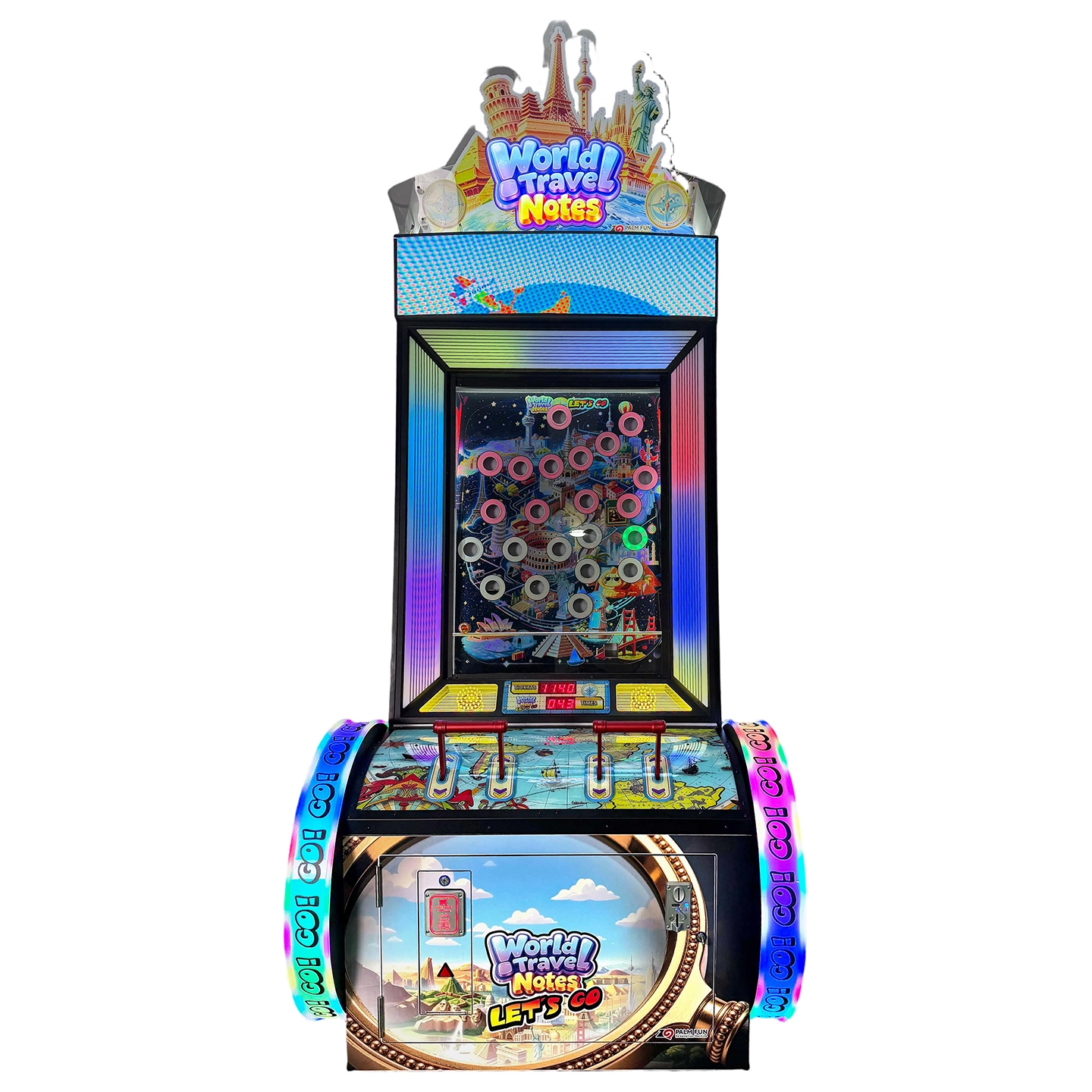
World Travel Notes – Balance Ball Redemption Arcade Game
World Travel Notes is a skill-based balance ball redemption game with a fun world-travel theme. Players use two handles to control the balance bar and guide the ball into each target hole. As the game progresses, the targets become more challenging, leading players toward the final grand prize. With colorful world-travel graphics, dynamic RGB lighting, a live score display, and progressive difficulty, World Travel Notes is designed to attract attention and encourage repeat play in arcades, FECs, shopping malls, and other entertainment venues.
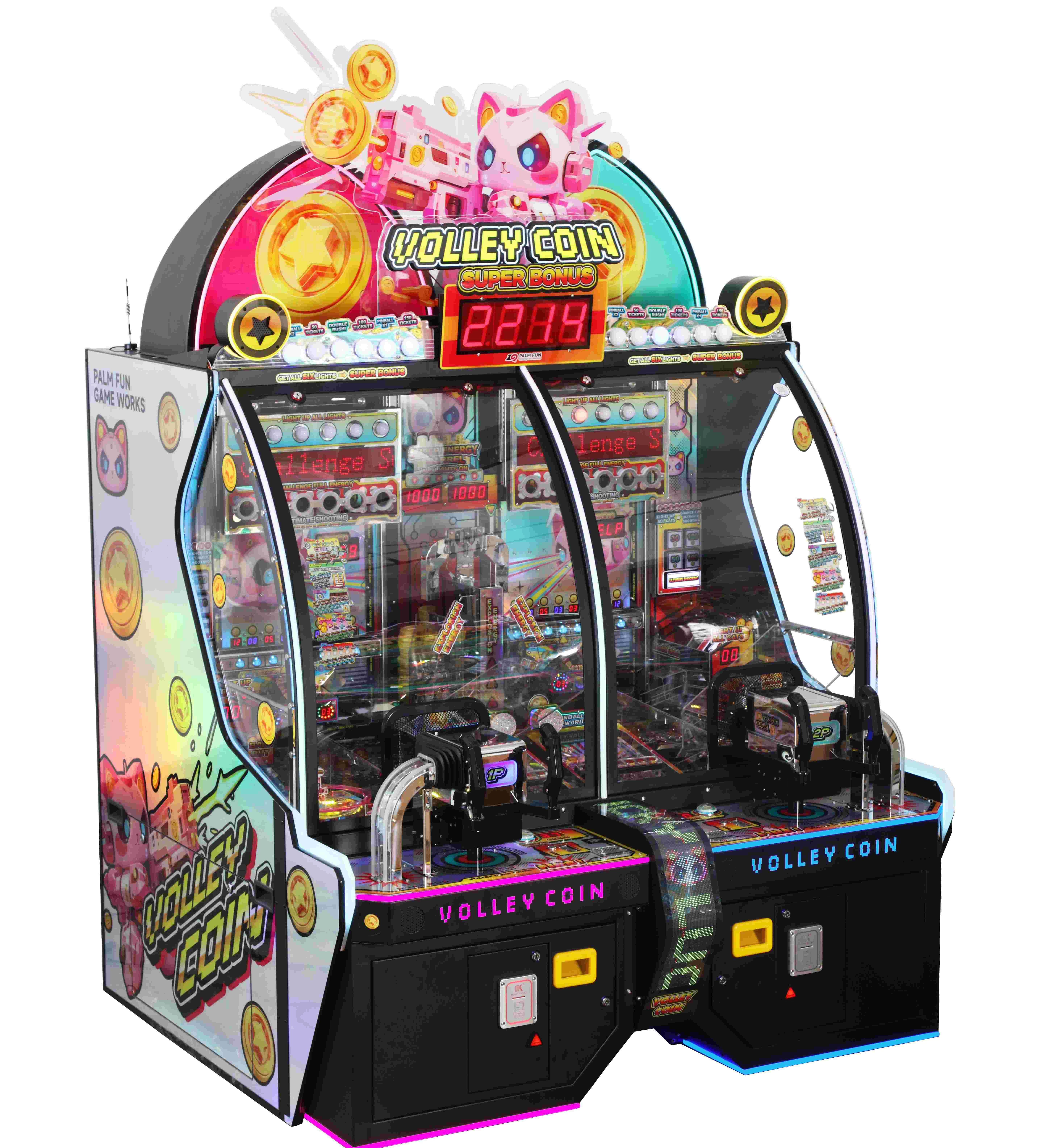
Hybrid Shooting & Pushing | Coin Pusher Arcade Ticket Redemption Machine
Volley Coin is an innovative arcade ticket redemption machine developed by Palm Fun Electronics. Combining the excitement of a fast-paced token shooter game with the proven earning power of a traditional coin pusher machine, Volley Coin offers a fresh and engaging gameplay experience that appeals to players of all ages.

Copyright © 2026 PALM FUN All Rights Reserved. | Privacy Policy • Terms and Conditions | Sitemap
palmfunarcade
Palm Fun Arcade Game
Whatsapp: +8618126837443
PalmFun Arcade
PalmFun_Arcade
PALM FUN Redemption Machine