


How to Start a Pinball Arcade Business in the USA: FEC Guide
A U.S. startup planning guide for pinball arcades and mixed FECs, covering equipment distinctions, location, permits, budget, layout and financial assumptions.
- 1. Choose Your Pinball Arcade Business Model
- 2. Research the Location and Estimate Startup Costs
- 3. Decide Between Classic Pinball and Redemption Arcade Equipment
- 4. Check State, Local and Premises Requirements
- 5. Design the Arcade Layout and Service Access
- 6. Arrange Staffing, Maintenance and Guest Experience
- 7. Model Revenue, Uptime and the Break-Even Point
- Frequently Asked Questions About Starting a Pinball Arcade in the USA
- How much does it cost to open a pinball arcade?
- Do I need a special arcade business license in the USA?
- Does PALM FUN manufacture traditional flipper pinball tables?
- Can ticket redemption machines complement a classic pinball arcade?
- How can I estimate whether a pinball arcade will be profitable?
- Conclusion: Build a Venue Around Verified Equipment and Local Requirements
How do you start a pinball arcade business in the USA? Define the venue concept, test local demand, build a realistic startup budget, choose appropriate machines, verify location-specific permits and building requirements, arrange maintenance and staff support, and review your operating results after opening. A traditional flipper-pinball venue and a mixed family entertainment center (FEC) with pinball-style redemption machines may look similar to customers, but they have different equipment and reward requirements.
The first decision is what you intend to offer. A classic pinball arcade typically centers on score-based mechanical tables with flippers, while a family arcade may also include coin pushers, ball-drop games or ticket redemption equipment. PALM FUN supplies mechanical redemption arcade products, including pinball-inspired rolling-ball machines; those should not be described as identical to traditional flipper pinball without confirming the actual controls. This guide separates the business planning steps from model-specific purchasing decisions.

1. Choose Your Pinball Arcade Business Model
Before signing a lease, decide who the venue serves and what experience makes it different. A traditional pinball lounge may focus on classic tables, repeat play, high-score competition and social events. A family entertainment center may combine multiple game types and offer tickets or prizes according to its permitted reward system. The two concepts may also differ in staffing needs, available space, noise, customer age groups and maintenance resources.
A pinball arcade does not need to offer every format. Select the concept based on demand research and a practical understanding of the site's operating conditions. Review nearby entertainment options, target-customer patterns and possible partnerships, and determine how guests are likely to pay for play. Avoid treating a competitor's busy weekend or a popular social-media post as sufficient evidence of ongoing customer demand.
2. Research the Location and Estimate Startup Costs
Evaluate potential sites using measured usable area, access, operating hours, rent obligations and the ability to install and service the proposed equipment. A highly visible location may have higher rent or restrictive terms, so foot traffic must be considered alongside occupancy costs. Check the building's electrical capacity, potential noise requirements, entry and delivery access, and whether the intended uses fit the lease. A floor plan should include player standing space and safe circulation, not only cabinet footprints.
A financial plan needs more than the purchase price of the machines. Include deposits, build-out, delivery, taxes or duties where applicable, payment systems, signs, insurance, staff preparation, repair resources and a reserve for unexpected expenses. For a used pinball table, examine the actual condition and spare-parts availability. For any new machine, confirm which installation and support services are part of the supplier's offer.
| Budget category | What to include |
|---|---|
| Initial premises | Lease-related costs, applicable permits, build-out and accessibility work |
| Machines | New or used purchase, freight, installation and initial spare parts |
| Operating systems | Payment equipment, signs, prize setup if applicable, and software support |
| Staffing and reserves | Training, insurance, routine service and unexpected downtime allowance |
Use quotations and local contractor estimates for the actual location. There is no defensible universal startup-cost figure for every U.S. pinball venue; a small existing arcade corner and a purpose-built multi-attraction FEC are different projects.
3. Decide Between Classic Pinball and Redemption Arcade Equipment
Traditional flipper pinball and pinball-inspired redemption cabinets are different product categories. Classic tables let players use flippers to control a physical ball, with score-based rules and machine-specific features. Ball-drop or rolling-ball redemption games may use timing, launches, target areas and electronic award systems instead. A supplier's use of the word “pinball” in a product name does not establish the same mechanism.
PALM FUN's Planet Roll Arcade Pinball Machine is described in its current product summary as a two-player, space-themed redemption machine with crystal-ball rolling action and lighting effects. That description does not confirm traditional flippers. Similarly, Pinball Storm is listed as a ball-dropping ticket redemption machine with a pinball-inspired theme. Operators should confirm actual gameplay, player capacity, cabinet dimensions, reward options and maintenance before comparing these products with conventional tables.

For a traditional pinball business, source genuine flipper-operated tables from appropriate manufacturers, distributors or used-equipment specialists. For a mixed FEC, consider whether complementary redemption equipment makes sense for the audience, space and staff resources. Do not assume a revenue or ROI advantage from one category; the final investment case depends on actual performance and operating costs.
4. Check State, Local and Premises Requirements
There is no single permit checklist that covers every U.S. pinball arcade. The requirements may involve business registration, zoning, certificates of occupancy, fire and building rules, accessibility, electrical installation, insurance and local amusement-device provisions. Additional rules may apply if the venue serves food or beverages or awards prizes. An operator should verify those matters with the responsible state and local authorities before opening.
In particular, an amusement machine, a coin pusher and a prize or ticket game may not be treated the same way under local rules. A game containing skill elements is not automatically exempt from gaming or gambling regulation. A manufacturer or reseller can supply technical information for a machine, but that does not replace legal and compliance decisions made for the actual destination and configuration.
Keep copies of the model information, operating permissions, applicable inspections and any required signage. A location choice that seems commercially attractive may still require significant upgrades or approvals. Resolve these issues before ordering equipment that cannot be installed or operated as planned.
5. Design the Arcade Layout and Service Access
Arrange cabinets so guests can navigate between games, staff can supervise the floor and technicians can safely reach the equipment. Include the space used by player positions, queues, service doors, counters and circulation routes. Never rely on one universal aisle-width figure without checking the site's actual requirements. A larger multi-player redemption cabinet may affect the plan differently from a single-player pinball table.
Use a scaled layout showing the precise equipment footprint and the practical space required around each machine. Check delivery paths, electrical points and available storage before confirming a quotation. Where the venue offers tickets or points, make the prize redemption location clear and avoid blocking exits with queueing. The separate commercial arcade game room layout guide provides a fuller checklist for zoning, guest flow and installation.
Machine access and safety should be part of the initial design, not deferred until after opening. Staff need clear procedures for inspecting visible faults and taking a machine out of guest use. Protected mechanical or electrical service must follow model-specific instructions and be handled by authorized personnel.
6. Arrange Staffing, Maintenance and Guest Experience
A pinball or FEC operation needs staff who understand the games, can explain payment methods and can respond to equipment problems. Determine who will manage opening checks, guest questions, cleaning, incident records and authorized service work. Traditional pinball tables may require specialist mechanical and electronic maintenance, while rolling-ball redemption equipment can have other moving parts, sensors and reward interfaces. The maintenance plan must match the selected machines.
When offering prize redemption, explain where players see their tickets or points, what they can redeem and how errors are reviewed. Some games award scores only; others use eligible tickets, points or prizes. Do not promise a reward on every play unless the exact rules establish one. Avoid implying that every third-party payment or electronic ticket system can connect to every cabinet.
A venue should also plan the customer experience beyond the cabinets. Clear rules, appropriate staff coverage, an understandable pricing structure and consistent communication are practical considerations. Community events and tournaments can be considered when they suit the audience, but any competition rules, prize promises and associated costs require their own approval and operating plan.
7. Model Revenue, Uptime and the Break-Even Point
Build a cash-flow model using paid plays, net revenue per play, open days and expected machine availability. Deduct costs such as rent, staffing, repairs, insurance, utilities, payment fees and prizes where applicable. A machine's gross revenue alone does not establish that the overall venue is profitable. Similarly, an attractive initial attendance figure does not guarantee repeat demand.
Use conservative, expected and higher-demand cases and compare them as real records become available. Monitor paid plays, machine uptime, operating contribution, maintenance incidents and the usage of floor space. Allocate shared costs consistently when comparing models. The arcade machine operating costs and ROI framework explains the financial calculations separately from the startup planning discussed here.
Review the plan periodically after launch and modify it only when the data supports a change. A replacement machine, different game mix or pricing change can affect play patterns, operating cost and staff workload. Avoid promises of fixed monthly earnings or universal payback periods; the economics belong to the specific location and equipment.
Frequently Asked Questions About Starting a Pinball Arcade in the USA
How much does it cost to open a pinball arcade?
The answer varies by location, lease, number and condition of machines, build-out, equipment shipping, staffing and permits. Prepare a site-specific budget using actual quotations and include a reserve for repairs and unexpected costs rather than relying on one universal startup figure.
Do I need a special arcade business license in the USA?
Requirements depend on the state, city, business use and specific machines. Check business registration, local amusement-device rules, zoning, building and fire approvals and prize-related provisions as applicable. A permit in one state does not establish permission elsewhere.
Does PALM FUN manufacture traditional flipper pinball tables?
The product listings reviewed here establish PALM FUN's pinball-inspired rolling-ball and ball-drop redemption equipment, not a complete catalogue of traditional flipper-operated tables. Confirm the actual controls and gameplay with the manufacturer before selecting a product for a classic pinball venue.
Can ticket redemption machines complement a classic pinball arcade?
They may be an option for a mixed-format FEC, depending on the target audience, space, operating rules and staff capacity. Redemption equipment introduces prize-system and maintenance considerations that differ from score-based traditional pinball. Evaluate each category on its actual costs and use.
How can I estimate whether a pinball arcade will be profitable?
Compare expected paid plays and net revenue per play with machine, venue, labor, reward and maintenance costs. Test multiple demand scenarios and update assumptions from actual operating results. No supplier can responsibly guarantee a positive return for every location.
Conclusion: Build a Venue Around Verified Equipment and Local Requirements
Opening a pinball arcade in the USA involves a defined customer concept, site-specific financial planning, genuine machine specifications, local approvals, staffing and long-term service support. Traditional flipper tables and pinball-style redemption games serve potentially different purposes and should not be marketed as equivalent. By planning the location, equipment mix and operating systems together, buyers can make a better-informed decision without relying on unsupported profit claims.
For a commercial FEC considering mechanical redemption equipment alongside traditional pinball, contact PALM FUN with the destination market, desired game types, available space and estimated quantity to discuss model-specific options. Final permission to operate and installation arrangements should be confirmed with qualified local parties.


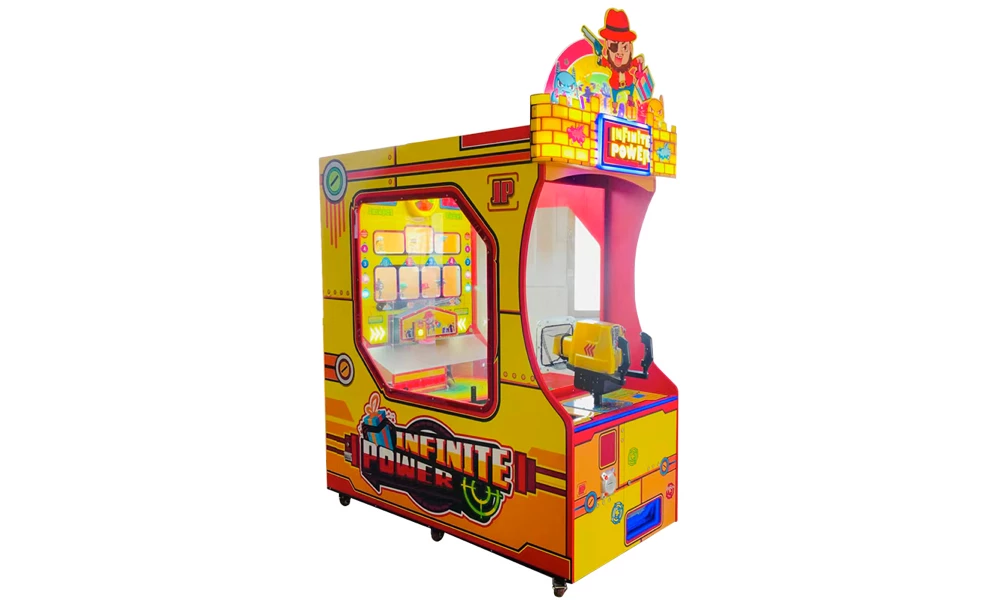


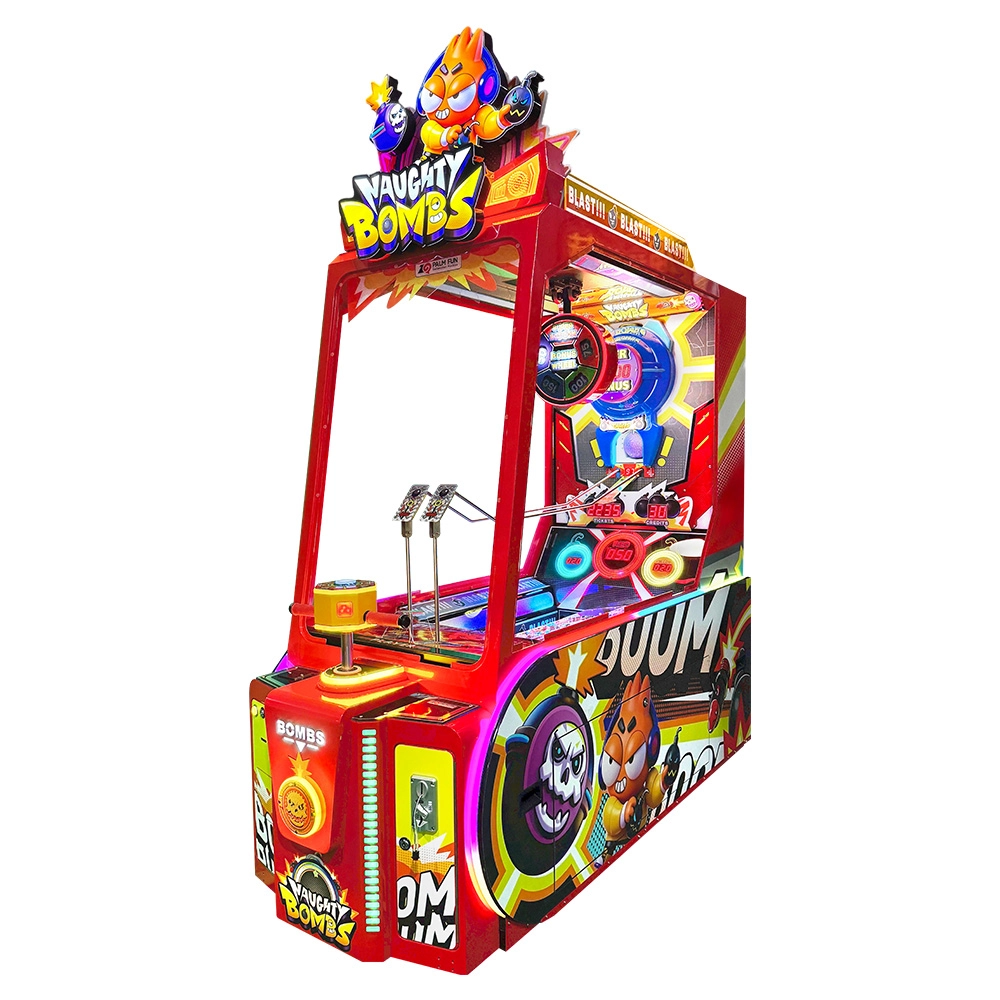
Naughty Bombs is a ball-drop redemption arcade game featuring rolling-ball gameplay, colored targets, ticket prizes, surprise bonus rewards, lighting and sound effects. Players use timing to launch and drop balls toward colored target areas. The product is presented for arcade, family entertainment center and other entertainment-venue projects, with customizable 110V / 220V AC voltage configuration.
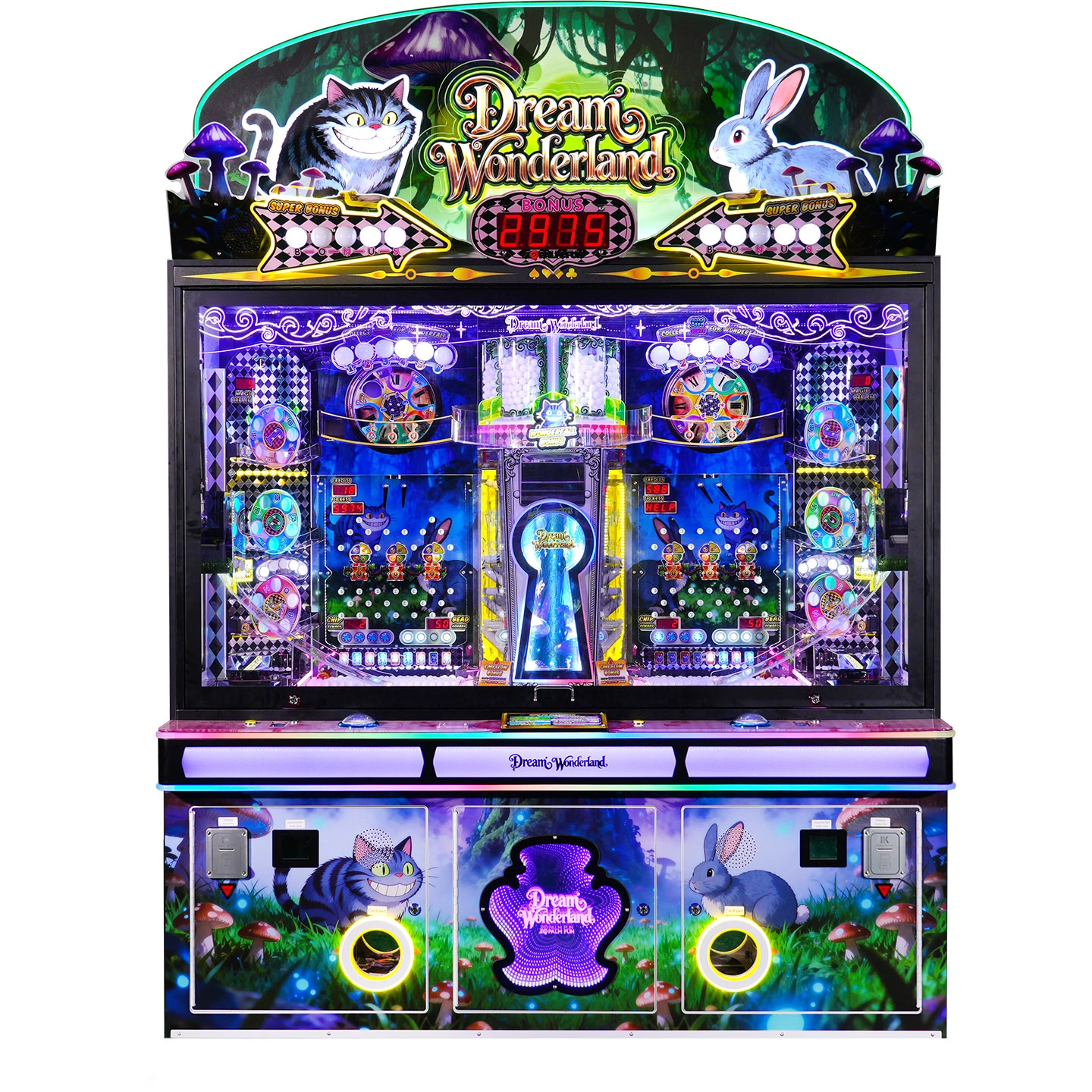
Enter Dream Wonderland — a magical marble pusher adventure filled with glowing lights, magic orbs, bonus wheels, collectible character cards, and exciting jackpot challenges.
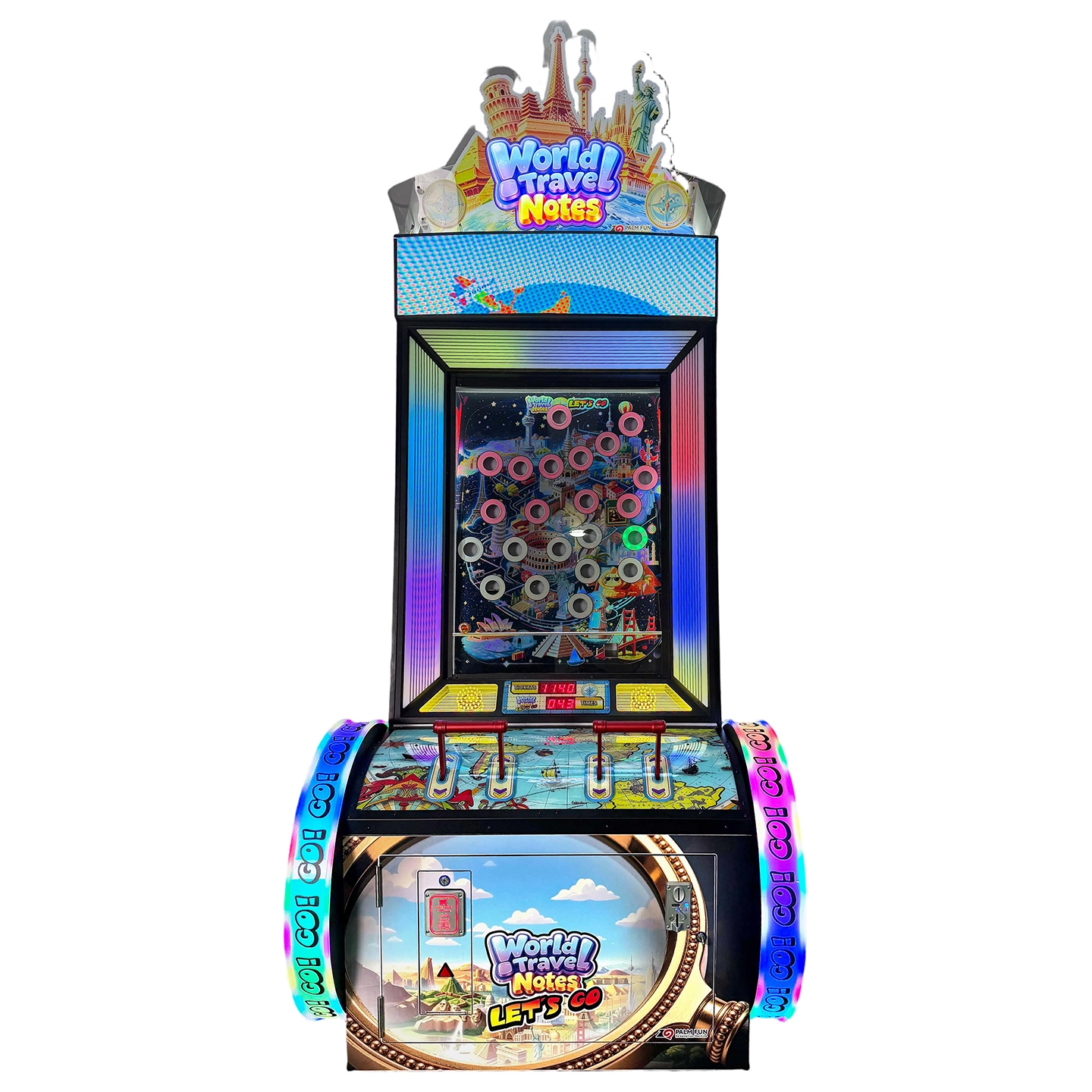
World Travel Notes is a skill-based balance ball redemption game with a fun world-travel theme. Players use two handles to control the balance bar and guide the ball into each target hole. As the game progresses, the targets become more challenging, leading players toward the final grand prize. With colorful world-travel graphics, dynamic RGB lighting, a live score display, and progressive difficulty, World Travel Notes is designed to attract attention and encourage repeat play in arcades, FECs, shopping malls, and other entertainment venues.

Copyright © 2026 PALM FUN All Rights Reserved. | Privacy Policy • Terms and Conditions | Sitemap
palmfunarcade
Palm Fun Arcade Game
Whatsapp: +8618126837443
PalmFun Arcade
PalmFun_Arcade
PALM FUN Redemption Machine