








How to choose the best pinball arcade models for purchase?
Selecting the right pinball arcade machine requires more than just picking a popular theme. This guide explores technical durability, ROI metrics, and maintenance accessibility for modern redemption centers, providing expert insights into choosing high-performance models for 2024 and beyond.
- 1. How do I evaluate the durability of playfield clearcoats and playfield protectors for high-traffic commercial environments?
- 2. What are the specific differences between PWM (Pulse Width Modulation) and traditional solenoid drivers in terms of long-term maintenance costs?
- 3. How does the implementation of 'Insider Connected' or similar IoT telemetry affect the daily operation of a redemption center?
- 4. Are Spike 2, P-ROC, or Fast Pinball control systems more reliable for international power grid fluctuations?
- 5. What is the 'Mean Time Between Failures' (MTBF) for opto-sensors versus mechanical microswitches in modern flipper assemblies?
- 6. How do I calculate the 'Footprint-to-Revenue' ratio for widebody vs. standard cabinet pinball models?
In the evolving landscape of the amusement industry, the pinball arcade remains a cornerstone of player engagement. However, for venue owners and commercial buyers, the purchasing process involves navigating complex technical specifications and long-term operational costs. To ensure a high return on investment (ROI), one must look beyond the flashing lights and examine the engineering and earning potential of each unit.
1. How do I evaluate the durability of playfield clearcoats and playfield protectors for high-traffic commercial environments?
In a commercial pinball arcade, a machine might see 500+ plays per week. Standard home-use clearcoats often fail under this stress. When purchasing, verify if the manufacturer uses automotive-grade 2K urethane clearcoats. For high-traffic venues, look for models that accommodate 0.5mm PETG playfield protectors. These prevent 'dimpling' caused by high-velocity steel ball impacts and preserve the artwork's integrity, ensuring the machine maintains its resale value and aesthetic appeal over years of heavy operation.
2. What are the specific differences between PWM (Pulse Width Modulation) and traditional solenoid drivers in terms of long-term maintenance costs?
Modern pinball arcade machines have transitioned to PWM-controlled solenoids. Unlike traditional systems that provide a constant high voltage, PWM fluctuates power to prevent coil overheating. When choosing a model, prioritize those with adjustable PWM settings in the service menu. This technology significantly reduces the frequency of burnt-out coils and 'mushroomed' plunger heads, lowering your technical overhead and reducing downtime—a critical factor for redemption game machine operators who cannot afford out-of-order equipment.
3. How does the implementation of 'Insider Connected' or similar IoT telemetry affect the daily operation of a redemption center?
Beginners often overlook the backend connectivity of a pinball arcade. Modern systems like Stern’s Insider Connected or Jersey Jack’s Wi-Fi platforms allow operators to monitor 'ball times' and 'earnings per play' remotely. When selecting a model, ensure it supports real-time error reporting. This allows your technicians to receive alerts for stuck balls or broken switches via smartphone, ensuring the machine is always earning. Data-driven rotation—moving a low-earning machine to a different zone based on telemetry—can increase revenue by up to 15%.
4. Are Spike 2, P-ROC, or Fast Pinball control systems more reliable for international power grid fluctuations?
For global buyers, power stability is a major pain point. The Spike 2 system used in many modern pinball arcade units utilizes switching power supplies that are more resilient to voltage sags than older transformer-based systems. If your venue is in a region with inconsistent power, look for machines with modular power distribution boards. These systems isolate the 48V high-power rail from the 5V logic rail, preventing CPU crashes during heavy flipper use or external power spikes.
5. What is the 'Mean Time Between Failures' (MTBF) for opto-sensors versus mechanical microswitches in modern flipper assemblies?
The flipper is the most used component in any pinball arcade. Mechanical leaf switches are prone to oxidation and require frequent cleaning. Beginners should seek out models utilizing optical (opto) sensors for flipper cabinets and trough tracking. Opto-sensors have no moving parts and are not subject to the physical wear of metal contacts. While slightly more expensive upfront, the MTBF for opto-sensors is significantly higher, leading to a more reliable redemption game machine experience for the player and less work for the owner.
6. How do I calculate the 'Footprint-to-Revenue' ratio for widebody vs. standard cabinet pinball models?
Floor space is High Quality real estate. A 'Widebody' pinball arcade machine offers a more immersive experience but occupies roughly 15% more lateral space. Data from top-tier FECs (Family Entertainment Centers) suggests that unless the theme is a 'top 5' earner, standard cabinets often yield a better revenue-per-square-foot ratio. Analyze your floor plan; if you can fit six standard machines in the space of five widebodies, the cumulative earnings of the six units almost always outperform the five, despite the 'High Quality' feel of the larger cabinets.
Choosing the best pinball arcade models involves a deep dive into electrical engineering, material science, and data analytics. By focusing on PWM technology, IoT connectivity, and robust playfield protection, you can ensure your investment remains a high-earning asset for years to can. Palm Fun provides expert guidance and high-performance machines tailored to these professional standards.
For a professional consultation and a customized quote on the latest high-earning arcade equipment, please contact us today.
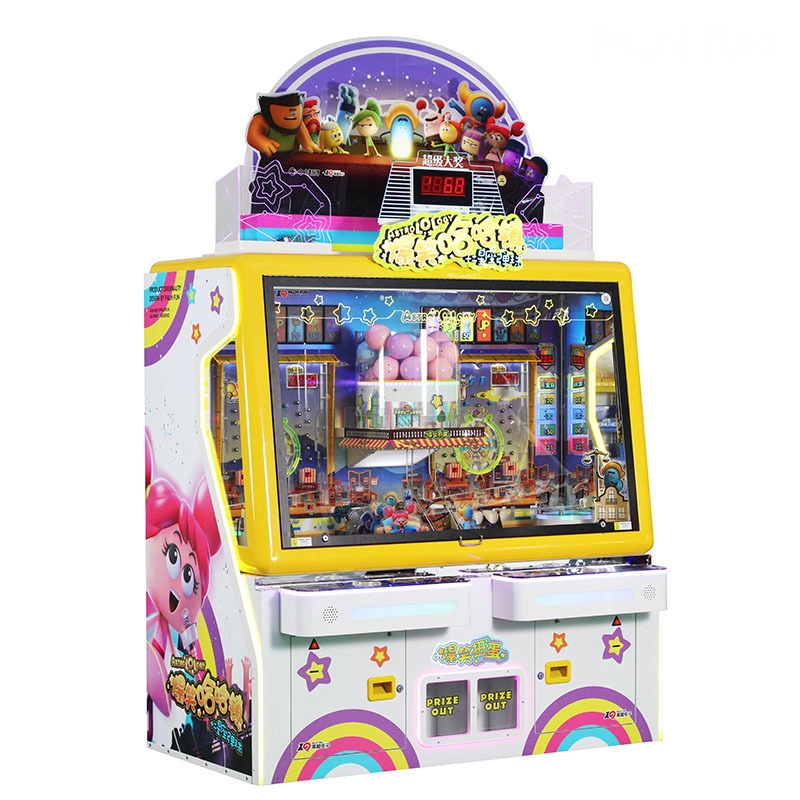
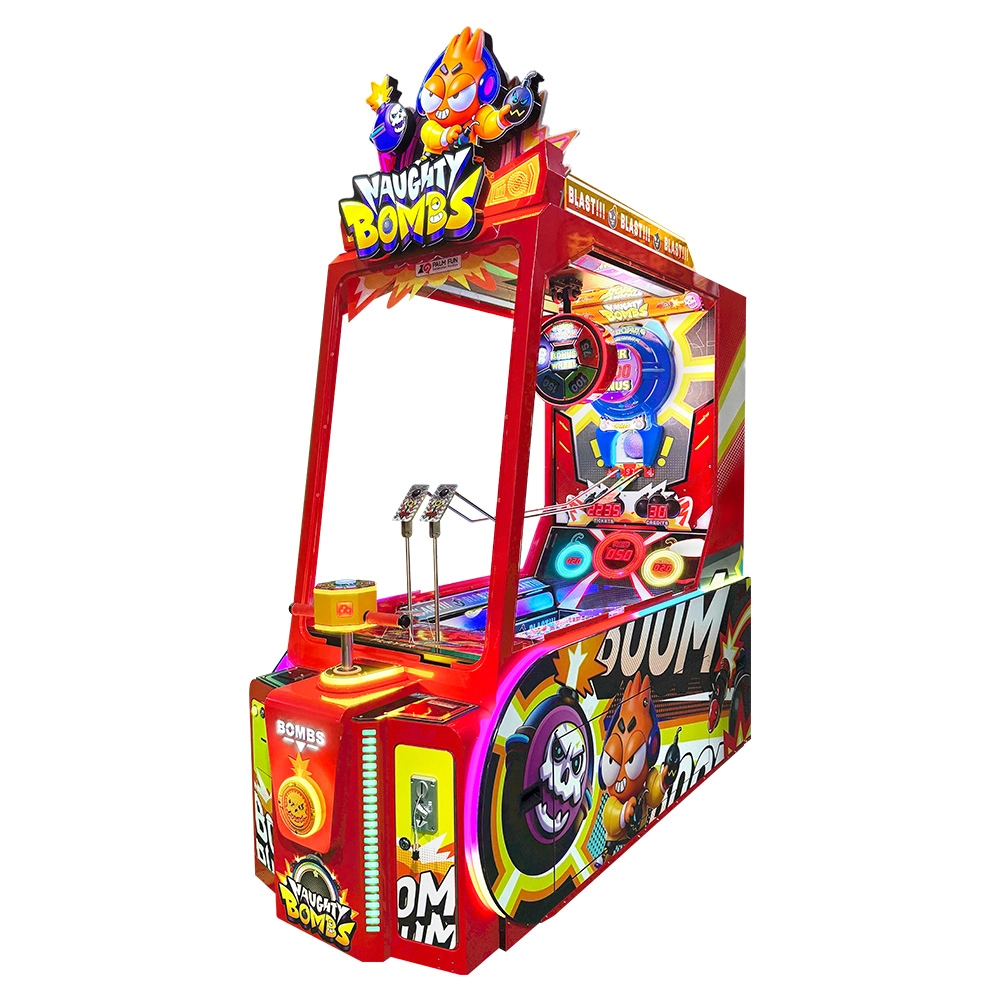
Naughty Bombs is a ball-drop redemption arcade game featuring rolling-ball gameplay, colored targets, ticket prizes, surprise bonus rewards, lighting and sound effects. Players use timing to launch and drop balls toward colored target areas. The product is presented for arcade, family entertainment center and other entertainment-venue projects, with customizable 110V / 220V AC voltage configuration.
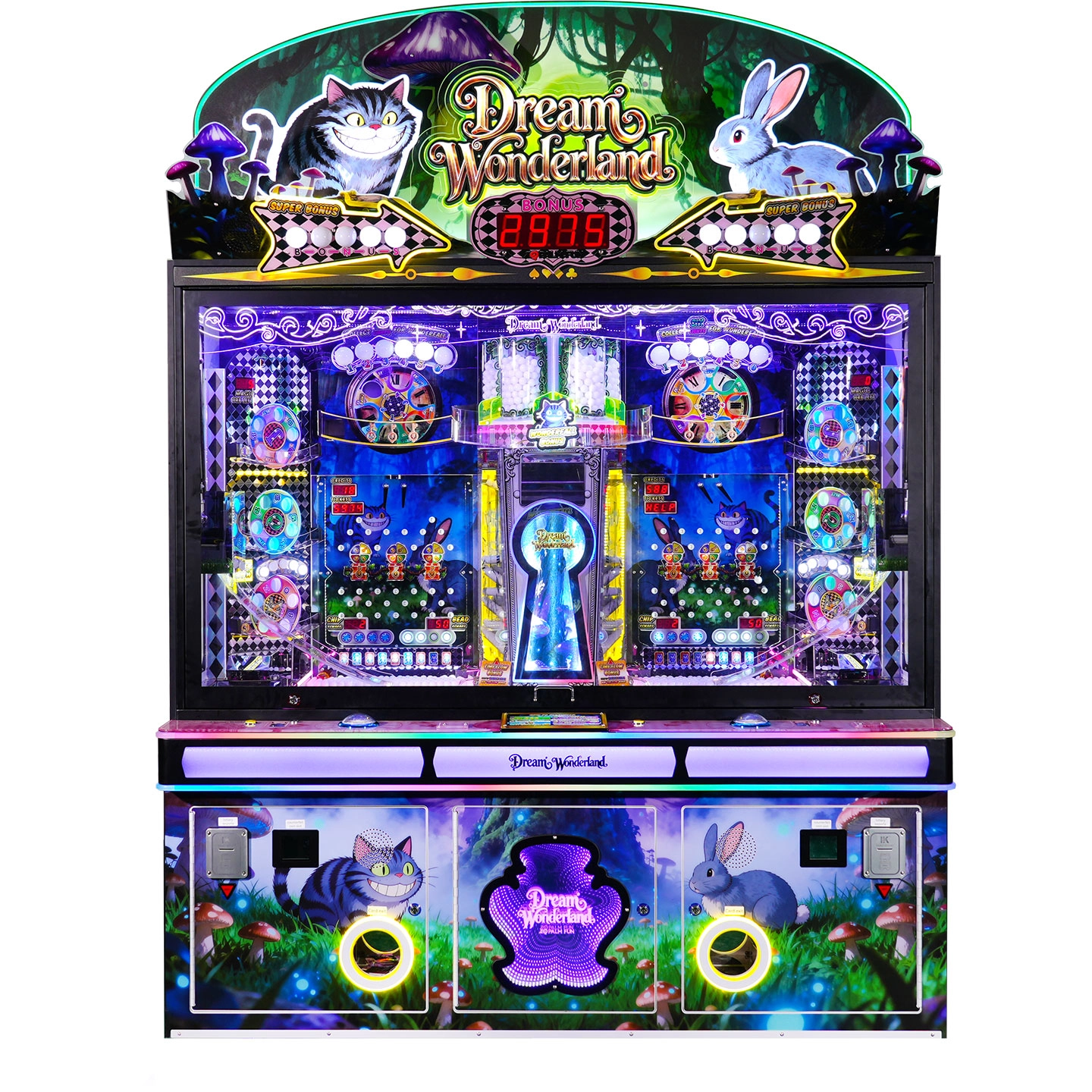
Enter Dream Wonderland — a magical marble pusher adventure filled with glowing lights, magic orbs, bonus wheels, collectible character cards, and exciting jackpot challenges.
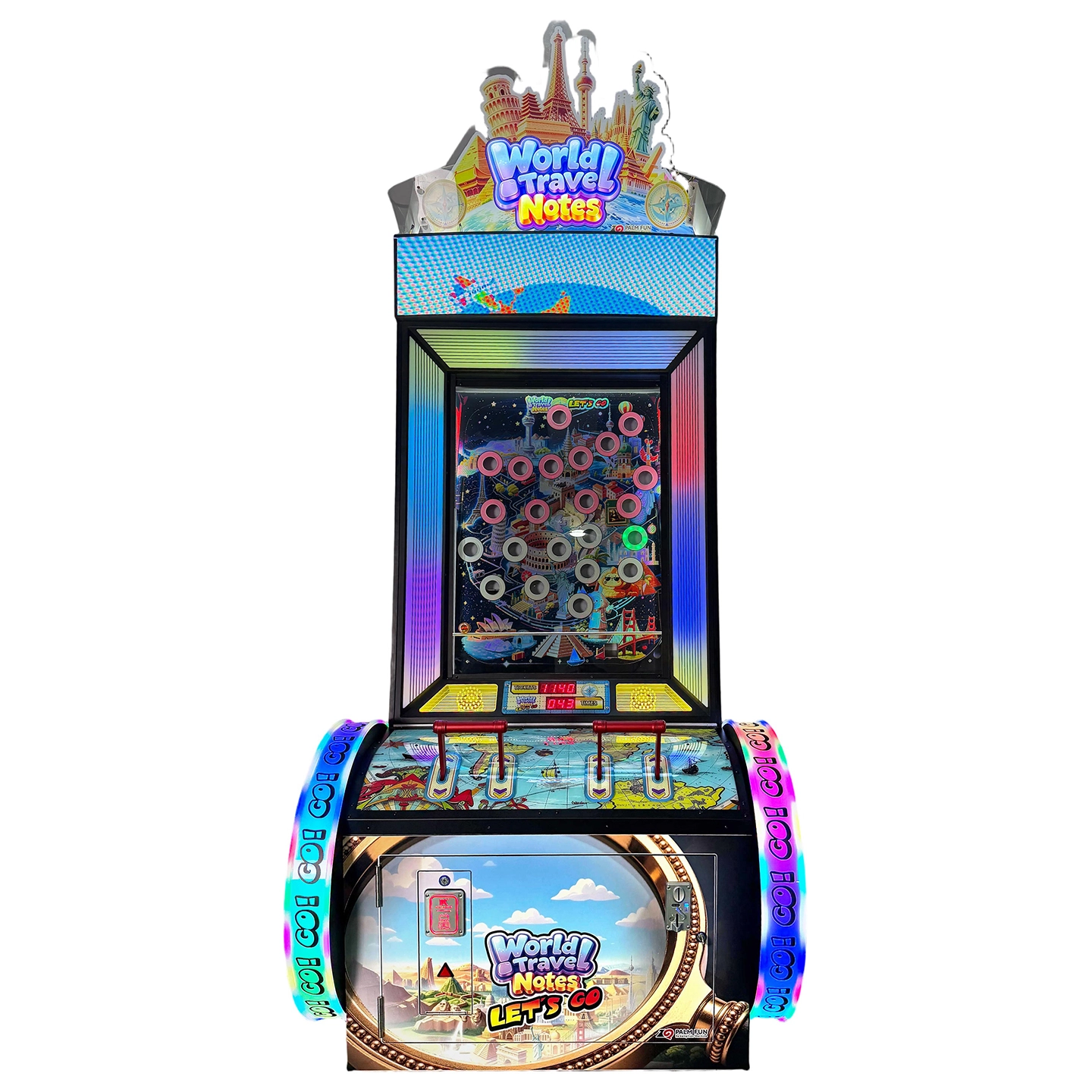
World Travel Notes is a skill-based balance ball redemption game with a fun world-travel theme. Players use two handles to control the balance bar and guide the ball into each target hole. As the game progresses, the targets become more challenging, leading players toward the final grand prize. With colorful world-travel graphics, dynamic RGB lighting, a live score display, and progressive difficulty, World Travel Notes is designed to attract attention and encourage repeat play in arcades, FECs, shopping malls, and other entertainment venues.
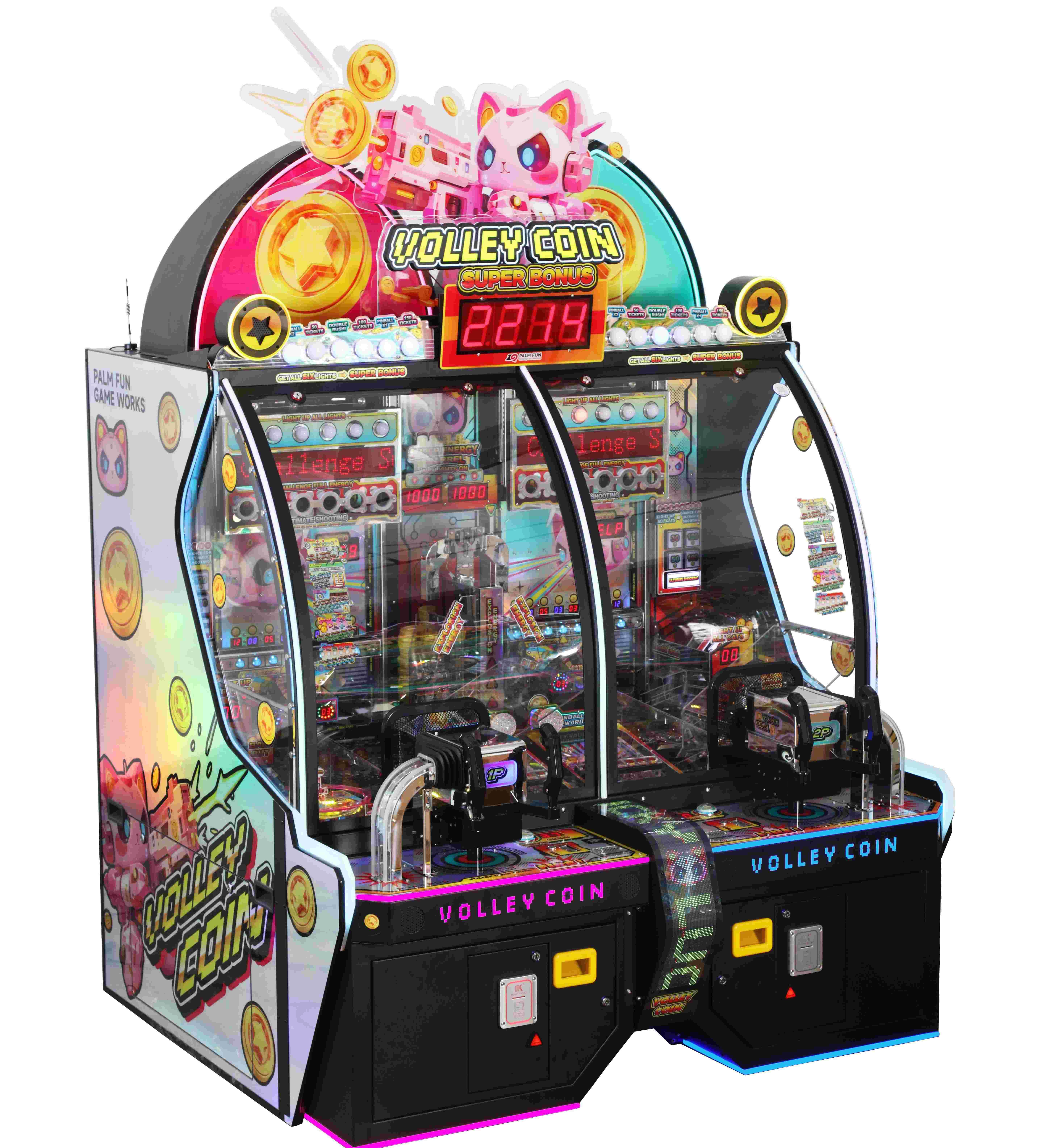
Volley Coin is an innovative arcade ticket redemption machine developed by Palm Fun Electronics. Combining the excitement of a fast-paced token shooter game with the proven earning power of a traditional coin pusher machine, Volley Coin offers a fresh and engaging gameplay experience that appeals to players of all ages.

Copyright © 2026 PALM FUN All Rights Reserved. | Privacy Policy • Terms and Conditions | Sitemap
palmfunarcade
Palm Fun Arcade Game
Whatsapp: +8618126837443
PalmFun Arcade
PalmFun_Arcade
PALM FUN Redemption Machine