







how much does a coin pusher arcade game cost from suppliers? | Insights by PALM FUN
Considering a coin pusher for your arcade? This guide demystifies the true cost of commercial coin pusher arcade games from suppliers. We tackle common beginner pain points, from initial purchase prices and hidden fees like shipping and installation to ongoing operational expenses and the value of advanced features. Learn how to budget effectively, compare new versus used machines, and leverage negotiation tactics for optimal investment in the lucrative redemption game market.
- What's the typical price range for a new, commercial-grade coin pusher arcade game from a reputable supplier, and what factors cause this wide variation?
- Beyond the unit price, what are the hidden costs associated with purchasing a coin pusher, such as shipping, customs, and professional installation, and how significantly do they impact the total investment?
- How do features like advanced prize mechanisms, digital displays, or multi-player configurations impact the wholesale cost of a coin pusher, and are these upgrades truly worth the additional investment for a new operator?
- What are the typical ongoing operational and maintenance costs for a commercial coin pusher machine, including parts, prize replenishment, and potential technical support, and how do these affect long-term profitability?
- What are the pros and cons of purchasing a used or refurbished coin pusher from a supplier versus a brand-new unit, especially concerning warranty, expected lifespan, and initial cost savings for a startup arcade?
- Are there specific strategies or negotiation tips for beginners to secure better pricing or bulk discounts when purchasing multiple coin pusher arcade games directly from suppliers?
What's the typical price range for a new, commercial-grade coin pusher arcade game from a reputable supplier, and what factors cause this wide variation?
The cost of a new coin pusher arcade game from a reputable supplier can vary significantly, typically ranging from $2,500 to $15,000 USD or more per unit. This broad spectrum is not arbitrary but is influenced by several critical factors that beginners often overlook.
Firstly, size and capacity play a major role. Smaller, single-player countertop models or basic floor units will naturally be at the lower end of the spectrum. Larger, multi-player, or jumbo coin pushers designed for high-traffic locations, capable of holding more coins and prizes, command higher prices due to increased material costs, complex engineering, and larger footprint.
Secondly, features and technology are significant differentiators. Basic coin pushers might simply have a pushing mechanism, coin entry, and prize chute. More advanced models, however, incorporate sophisticated elements such as:
- Interactive digital displays: Offering animations, score tracking, or even mini-games.
- Advanced prize dispensing systems: Capable of handling larger, higher-value prizes or multiple prize types.
- LED lighting and sound effects: Enhancing the player experience and attracting attention.
- Cashless payment integration: Allowing for card or mobile payments, a growing trend in the arcade industry.
- Redemption ticket dispensers: For games that award tickets instead of direct prizes.
- Anti-cheat mechanisms: Sophisticated sensors and software to prevent tilting or other forms of manipulation.
Thirdly, the brand reputation and country of origin also affect pricing. Established manufacturers with a long history of quality, reliability, and strong after-sales support often price their machines higher. European or North American-made machines might carry a High Quality compared to those manufactured in certain Asian countries, though quality from all regions can vary widely.
Finally, material quality and durability contribute to the commercial coin pusher game investment. Machines built with high-grade steel, tempered glass, and robust electronic components will have a longer lifespan and require less frequent maintenance, justifying a higher initial coin pusher machine price. When considering your arcade equipment cost analysis, remember that a higher upfront cost can often translate to better long-term reliability and profitability.
Beyond the unit price, what are the hidden costs associated with purchasing a coin pusher, such as shipping, customs, and professional installation, and how significantly do they impact the total investment?
The total investment in a coin pusher arcade game extends far beyond the quoted unit price, a crucial detail often missed by new operators. Hidden costs like shipping, customs duties, and professional installation can add a substantial percentage, sometimes 20-50% or even more, to your initial outlay.
Shipping costs are perhaps the most significant hidden expense. Arcade machines are large, heavy, and often require specialized freight services. For domestic shipments within a country, costs can range from a few hundred to over a thousand dollars, depending on distance and the number of units. For international coin pusher machine purchases, especially from overseas suppliers, these costs can easily run into thousands of dollars per machine, encompassing ocean freight, port charges, and inland transportation. Factors like fuel surcharges, packaging (crating), and insurance also contribute.
Customs duties and import taxes are another critical consideration for international buyers. These vary dramatically by country and the specific Harmonized System (HS) code of the product. For example, importing an arcade machine into the EU or North America could incur duties ranging from 0% to over 10% of the declared value, plus local sales taxes (VAT, GST) which can be an additional 5-20%. It's imperative to research these tariffs for your specific region before committing to a purchase. Many suppliers can provide HS codes, but the buyer is ly responsible for understanding and paying these fees.
Professional installation is often recommended, particularly for larger or more complex coin pushers. While some smaller units might be plug-and-play, larger machines may require assembly, calibration, and proper leveling to ensure optimal performance and prevent premature wear. Installation services can cost anywhere from $200 to $1,000+ per machine, depending on complexity and location. Attempting a DIY installation without proper knowledge can lead to operational issues, voided warranties, or even safety hazards.
Other potential hidden costs include:
- Electrical upgrades: Ensuring your location has the correct power outlets and sufficient capacity.
- Insurance: Transit insurance for shipping and ongoing business insurance for your machines.
- Permits and licenses: Local regulations for operating amusement devices.
Understanding these additional expenses is vital for an accurate arcade coin pusher wholesale cost calculation and effective budgeting.
How do features like advanced prize mechanisms, digital displays, or multi-player configurations impact the wholesale cost of a coin pusher, and are these upgrades truly worth the additional investment for a new operator?
The integration of advanced features significantly influences the wholesale cost of a coin pusher, often adding hundreds to thousands of dollars to the base price. Deciding whether these upgrades are worth it for a new operator depends heavily on your target audience, location, and overall business strategy.
Advanced prize mechanisms, such as those capable of dispensing larger, heavier, or more varied prizes (e.g., capsules, plush toys, electronics), require more complex engineering, robust motors, and specialized chutes. This complexity translates directly into higher manufacturing costs. Similarly, digital displays, ranging from simple LED scoreboards to full HD screens showcasing animations or promotional content, involve additional hardware (screens, graphics cards) and software development, increasing the unit price. Multi-player configurations demand larger footprints, multiple coin slots, separate prize chutes, and often more robust internal components to handle simultaneous play, escalating the new coin pusher machine cost.
For a new operator, the value proposition of these upgrades lies in their potential to enhance player engagement and, consequently, revenue:
- Increased Player Engagement: Digital displays with vibrant graphics and interactive elements can make a machine more visually appealing and exciting, drawing more players. Multi-player options foster social interaction and competition, encouraging longer play sessions and repeat visits.
- Higher Perceived Value of Prizes: Advanced prize mechanisms allow for more attractive, higher-value prizes, which can significantly boost player motivation and the just one more coin mentality. This can lead to a higher average spend per player.
- Modern Appeal: Arcades need to keep pace with modern entertainment expectations. Machines with advanced features often look newer and more sophisticated, aligning with current trends in entertainment technology.
However, there's a balance. While these features can increase revenue, they also increase your initial commercial coin pusher game investment and potentially future maintenance complexity. For a startup with limited capital, a simpler, reliable machine might offer a quicker return on investment (ROI) by minimizing upfront costs. A common strategy is to start with a mix: a few High Quality, feature-rich machines to act as anchor attractions, alongside more basic, high-volume units.
ly, the decision should be based on a thorough profitability analysis of coin pushers. Consider your anticipated foot traffic, the demographics of your players, and the competitive landscape. If your location targets families or younger demographics who expect cutting-edge entertainment, the investment in advanced features is likely to pay off. If you're in a more traditional setting or aiming for a budget-friendly entry, a simpler model might suffice initially.
What are the typical ongoing operational and maintenance costs for a commercial coin pusher machine, including parts, prize replenishment, and potential technical support, and how do these affect long-term profitability?
Understanding the ongoing operational and maintenance costs is crucial for assessing the long-term profitability of coin pushers. These expenses, often underestimated by beginners, significantly impact your net revenue.
The most substantial ongoing cost is prize replenishment. Coin pushers are redemption games, meaning players are motivated by the chance to win prizes. The cost of these prizes—whether small toys, candy, or higher-value electronics—directly impacts your profit margin. Savvy operators source prizes wholesale and strategically manage their value to maintain an attractive payout ratio (typically aiming for a prize payout of 20-30% of revenue). Failing to offer appealing prizes can lead to decreased play, while overly generous payouts will erode profits.
Maintenance costs include both routine upkeep and occasional repairs:
- Routine Maintenance: This involves regular cleaning of the playfield, lubricating moving parts, checking coin mechanisms, and ensuring all sensors are functioning correctly. These tasks are often performed in-house and primarily incur labor costs.
- Parts Replacement: Over time, components like motors, belts, sensors, lights, and coin hoppers will wear out. The cost of replacement parts varies but can range from tens to hundreds of dollars per component. Having a reliable supplier for coin operated game machine parts is essential.
- Technical Support: While many issues can be resolved with basic troubleshooting, complex electrical or mechanical failures may require professional technical support. This can involve on-site service calls (which are expensive) or remote support, often covered under a warranty for new machines but chargeable for older units.
Other operational costs include:
- Electricity: Coin pushers consume electricity, especially those with extensive lighting and digital displays. While not exorbitant per machine, it adds up across an entire arcade.
- Security: Measures to prevent theft of coins or prizes, including surveillance and robust machine construction.
- Cash handling: Costs associated with collecting, counting, and banking coins.
These ongoing expenses directly affect long-term profitability. A machine with high maintenance requirements or expensive proprietary parts can quickly become a drain on resources. Conversely, a reliable machine with strategically priced prizes can generate consistent revenue for years. When evaluating redemption game machine supplier pricing, inquire about the availability and cost of spare parts, as well as the typical lifespan and maintenance schedule of their machines. A robust arcade equipment cost analysis must factor in these recurring expenses to project accurate ROI.
What are the pros and cons of purchasing a used or refurbished coin pusher from a supplier versus a brand-new unit, especially concerning warranty, expected lifespan, and initial cost savings for a startup arcade?
For a startup arcade or budget-conscious operator, the decision between a used coin pusher game and a brand-new unit is critical. Both options present distinct advantages and disadvantages, particularly regarding initial cost, reliability, and long-term support.
Purchasing a Used or Refurbished Coin Pusher:
- Pros:
- Significant Initial Cost Savings: This is the primary draw. Used coin pusher game prices can be 30-70% less than new machines, making them highly attractive for operators with limited capital. This allows for acquiring more machines or allocating budget to other startup expenses.
- Faster ROI Potential: With a lower upfront investment, the time to recoup your initial outlay can be shorter, assuming the machine performs well.
- Availability of Classic Models: Some operators might seek specific older models known for their robust build or nostalgic appeal, which are only available on the used market.
- Cons:
- Limited or No Warranty: Most used machines come with very limited warranties (e.g., 30-90 days for parts) or no warranty at all. This means you bear the full risk of major component failures shortly after purchase.
- Shorter Expected Lifespan (Potentially): While well-maintained used machines can last for years, their overall lifespan will generally be shorter than a new unit, as they've already accumulated operational hours.
- Higher Maintenance Risk: Used machines are more prone to requiring immediate repairs or more frequent maintenance due to wear and tear. You might also encounter difficulty sourcing parts for older models.
- Outdated Technology: Used machines may lack modern features like cashless payment integration, advanced digital displays, or energy-efficient components, potentially impacting player appeal and operational efficiency.
- Cosmetic Wear: Scratches, dents, and faded graphics are common, which might detract from the arcade's aesthetic.
Purchasing a Brand-New Coin Pusher:
- Pros:
- Full Manufacturer Warranty: New machines typically come with a comprehensive warranty (e.g., 1-2 years for parts, sometimes labor), offering peace of mind and protection against manufacturing defects.
- Longer Expected Lifespan: With proper maintenance, a new machine can reliably operate for 5-10+ years.
- Latest Technology and Features: Access to cutting-edge designs, energy efficiency, and modern player engagement features.
- Lower Initial Maintenance: New machines are less likely to require immediate repairs, reducing early operational headaches.
- Pristine Condition: Aesthetically perfect, contributing positively to your arcade's brand image.
- Cons:
- Higher Initial Cost: The primary deterrent for new operators. The new coin pusher machine cost requires a larger upfront capital investment.
- Slower ROI (Potentially): While revenue generation might be higher due to modern appeal, the longer time to recoup a larger initial investment means a potentially slower ROI.
For a startup, a balanced approach might involve purchasing a few critical new machines for flagship attractions and supplementing with high-quality refurbished units for other areas, ensuring a mix of reliability and cost-effectiveness. Always inquire about the refurbishment process and any warranties offered by the supplier for used equipment.
Are there specific strategies or negotiation tips for beginners to secure better pricing or bulk discounts when purchasing multiple coin pusher arcade games directly from suppliers?
Securing better pricing or bulk discounts when purchasing multiple coin pusher arcade games from suppliers is absolutely possible, even for beginners. Strategic negotiation can significantly reduce your commercial coin pusher game investment.
Here are specific strategies and negotiation tips:
- Do Your Homework: Before contacting suppliers, thoroughly research market prices for similar machines. Understand the standard coin pusher machine price ranges, features, and competitor offerings. This knowledge empowers you to identify fair deals and leverage information during negotiations.
- Clearly Define Your Needs and Volume: Be precise about the number of units you intend to purchase (e.g., I'm looking to buy 3-5 coin pushers initially, with plans for more in the next 12 months). Suppliers are more inclined to offer discounts for larger orders or for customers demonstrating future purchasing potential. Mentioning future expansion plans can sometimes unlock better initial rates.
- Request a Formal Quote with Itemized Costs: Always ask for a detailed, itemized quote. This allows you to see the breakdown of the unit price, shipping, crating, and any accessories. It also provides a clear document for comparison and negotiation.
- Inquire About Bulk Discounts (Even for Small Bulk): Don't assume you need to buy 10+ machines for a discount. Many suppliers offer tiered pricing, where buying even 2-3 units can trigger a small percentage off the per-unit price. Explicitly ask, Do you offer any bulk purchase coin pusher discounts for multiple units?
- Negotiate on Shipping and Ancillary Costs: If the unit price seems firm, pivot your negotiation to shipping. Suppliers often have flexibility here. Ask if they can absorb some shipping costs, offer a discounted freight rate, or recommend more economical shipping methods. Sometimes, negotiating for free or reduced crating costs can also save money.
- Bundle Services or Accessories: Inquire about bundling options. Can they include a starter set of prizes, extra coin mechanisms, or a basic toolkit for maintenance at a reduced price or for free? This adds value even if the machine price doesn't budge.
- Leverage Payment Terms: Ask about payment terms. Some suppliers might offer a small discount for full upfront payment, while others might be flexible with payment schedules for larger orders.
- Build a Relationship: Approach the interaction professionally and politely. Building a good rapport with a sales representative can be beneficial for future purchases and support. Let them know you're a serious buyer looking for a long-term partnership.
- Don't Be Afraid to Walk Away (Temporarily): If a supplier isn't meeting your needs, politely state you'll consider other options. Sometimes, a supplier will follow up with a better offer to secure your business. However, be realistic; extreme lowballing can damage relationships.
By applying these strategies, beginners can effectively navigate the purchasing process and secure more favorable terms, optimizing their arcade coin pusher wholesale cost and setting a stronger foundation for their business.
Navigating the world of redemption game machine purchases requires more than just a glance at the price tag. By understanding the true cost of a coin pusher arcade game from suppliers, encompassing initial unit prices, hidden logistical fees, the value of advanced features, ongoing operational expenses, and the trade-offs between new and used machines, operators can make informed decisions. Strategic planning and smart negotiation are key to optimizing your coin operated game machine budget and ensuring a profitable venture. At Palm Fun, we pride ourselves on providing transparent pricing and expert guidance to help you choose the perfect coin pushers for your business.
Ready to invest in high-quality coin pusher arcade games? Contact us today for a personalized quote and let our experts guide you through the selection process. Visit www.palm-fun.com or email luobin@palm-fun.com to get started!
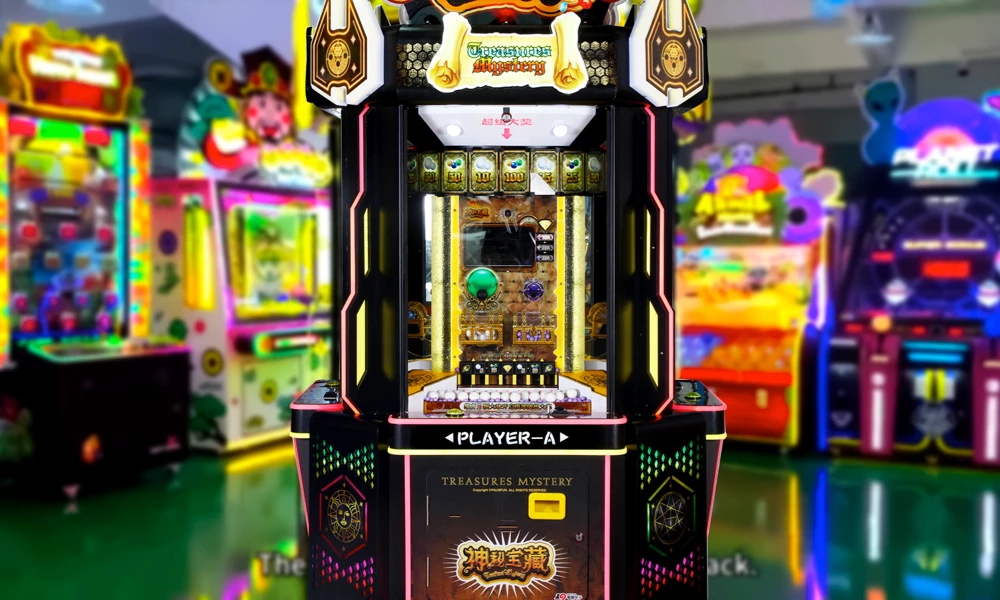
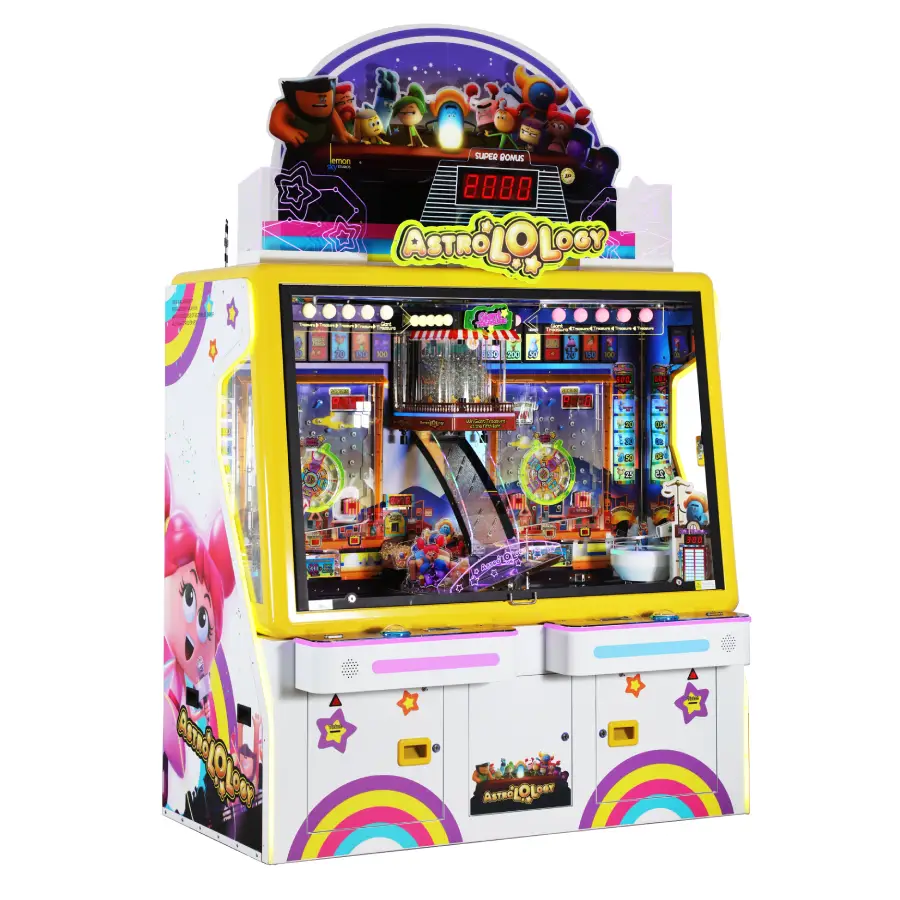
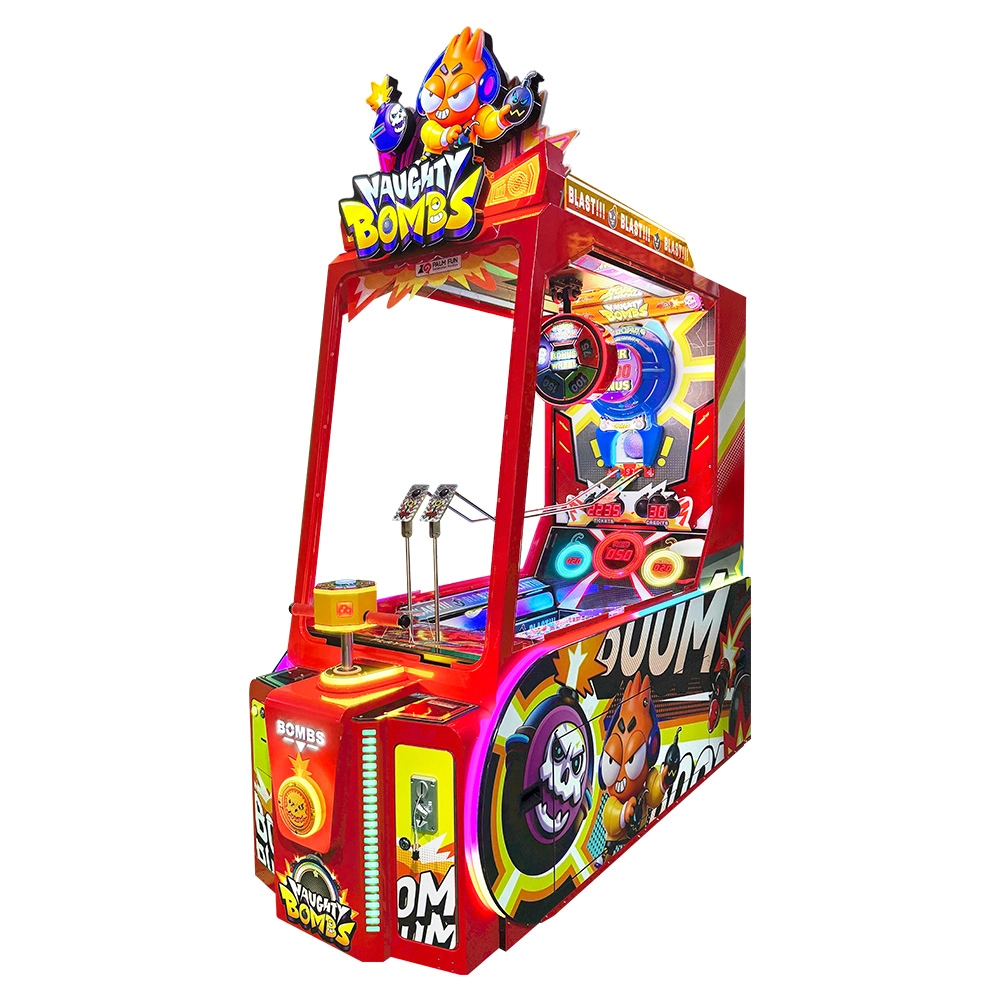
Naughty Bombs is a ball-drop redemption arcade game featuring rolling-ball gameplay, colored targets, ticket prizes, surprise bonus rewards, lighting and sound effects. Players use timing to launch and drop balls toward colored target areas. The product is presented for arcade, family entertainment center and other entertainment-venue projects, with customizable 110V / 220V AC voltage configuration.
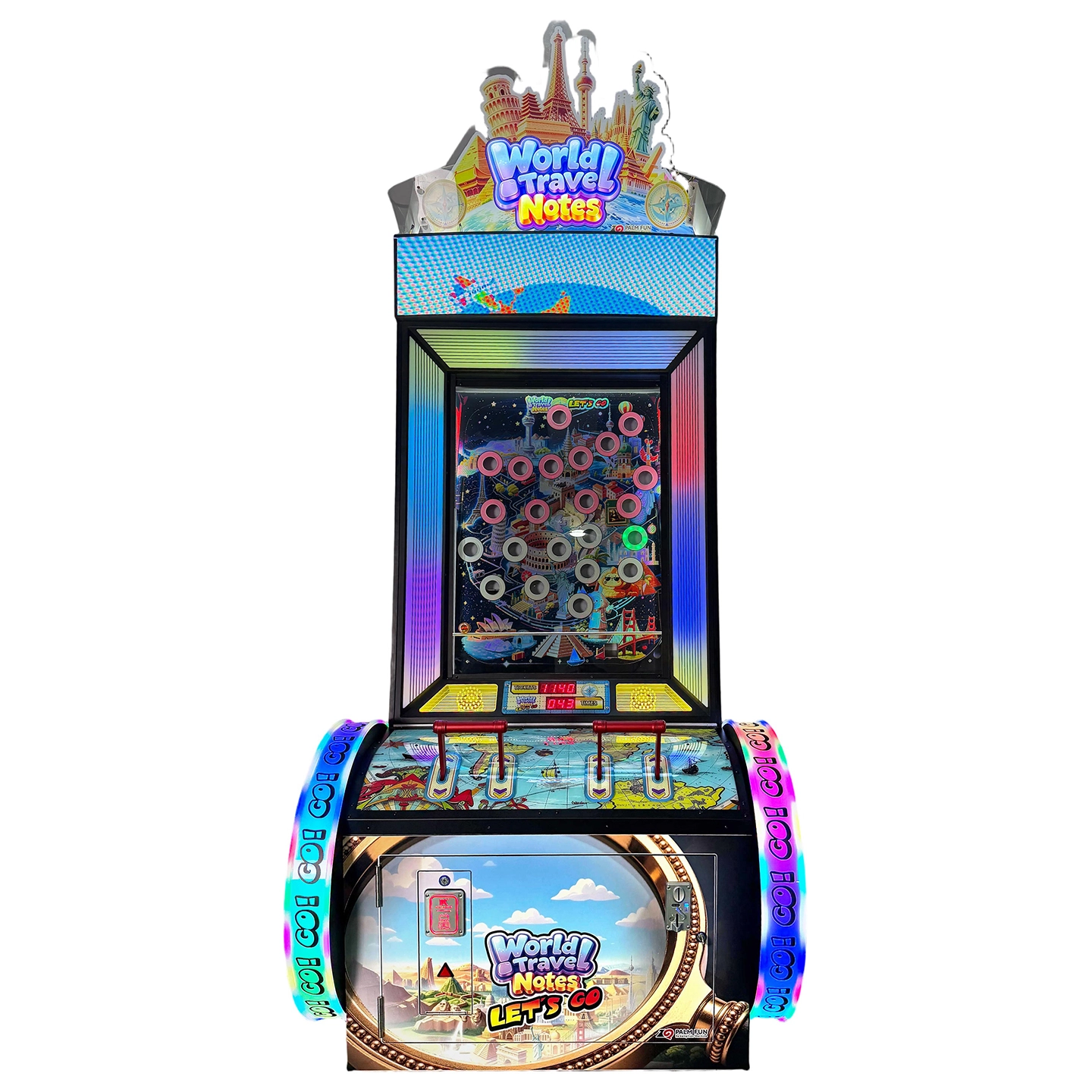
World Travel Notes is a skill-based balance ball redemption game with a fun world-travel theme. Players use two handles to control the balance bar and guide the ball into each target hole. As the game progresses, the targets become more challenging, leading players toward the final grand prize. With colorful world-travel graphics, dynamic RGB lighting, a live score display, and progressive difficulty, World Travel Notes is designed to attract attention and encourage repeat play in arcades, FECs, shopping malls, and other entertainment venues.
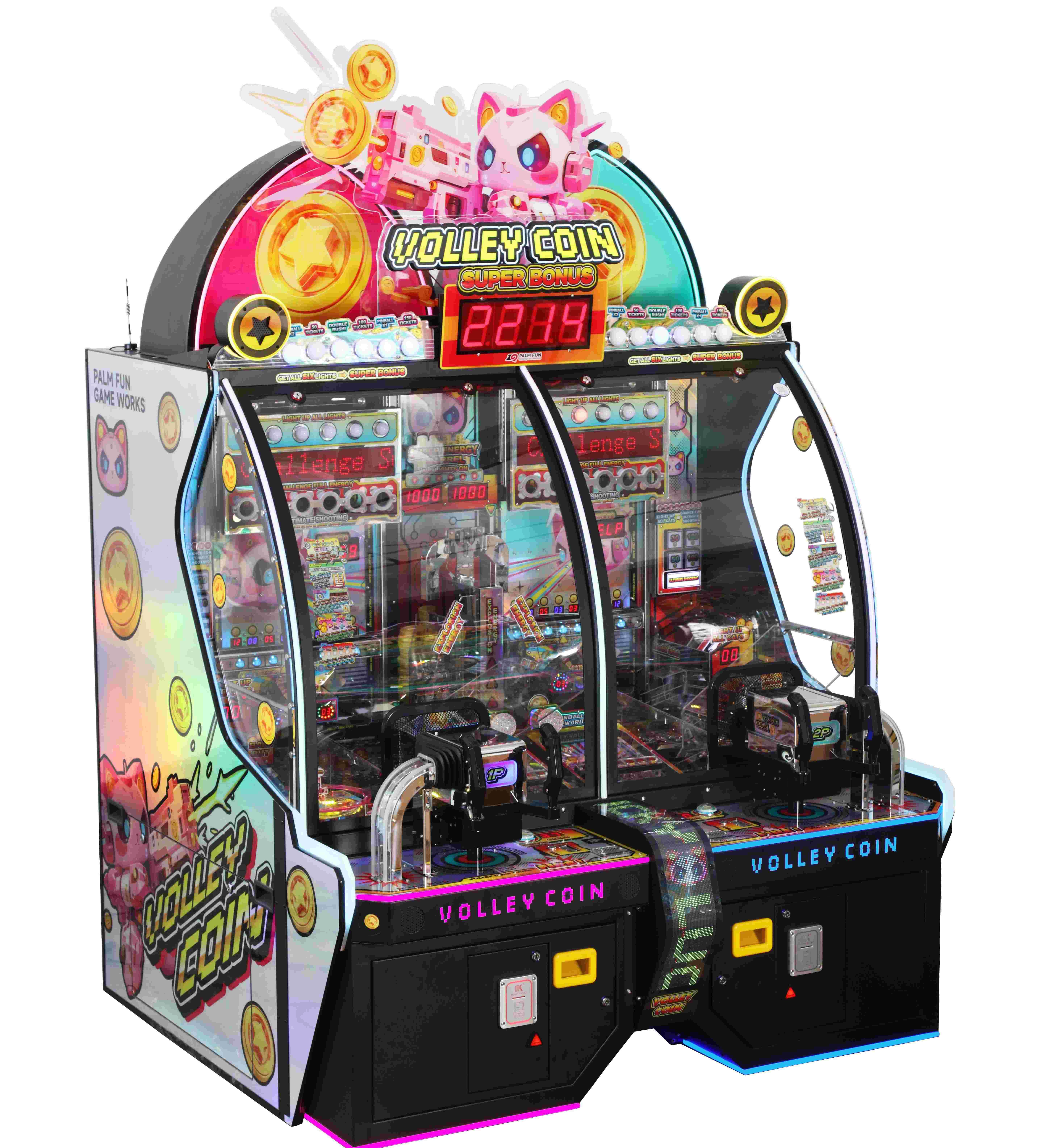
Volley Coin is an innovative arcade ticket redemption machine developed by Palm Fun Electronics. Combining the excitement of a fast-paced token shooter game with the proven earning power of a traditional coin pusher machine, Volley Coin offers a fresh and engaging gameplay experience that appeals to players of all ages.
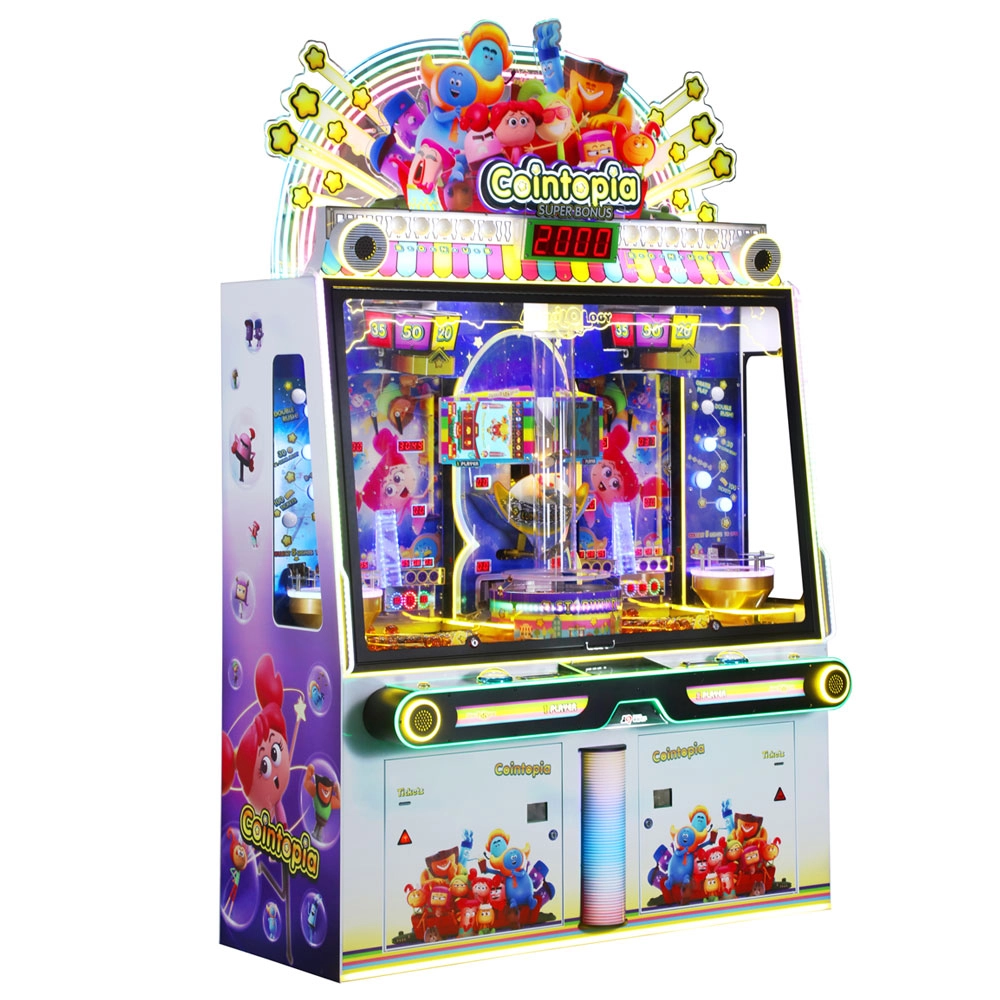
COINTOPIA by PALM FUN is an exciting redemption game machine where players enjoy fun with zodiac buddies in a utopia setting. This ticket redemption machine offers engaging gameplay and rewarding experiences, perfect for family entertainment centers and arcades seeking top-quality redemption games.
Copyright © 2026 PALM FUN All Rights Reserved. | Privacy Policy • Terms and Conditions | Sitemap
palmfunarcade
Palm Fun Arcade Game
Whatsapp: +8618126837443
PalmFun Arcade
PalmFun_Arcade
PALM FUN Redemption Machine