








Daily Arcade Machine Maintenance Checklist for FEC Operators
A practical daily maintenance guide for commercial arcade and FEC operators, covering safe visual checks, coin pushers, ball-drop games, ticket records and technician escalation.
- Daily Arcade Machine Maintenance Checklist Before Opening
- How to Clean Arcade Cabinets and Accessible Parts Safely
- What to Check on Coin Pushers and Ball-Drop Redemption Games
- Coin Pusher Machine Movement and Credit Handling
- Ball-Drop Paths, Targets and Scoring
- Ticket Dispensers, Reward Records and Prize Settings
- When Should an Arcade Machine Be Taken Out of Service?
- How to Build a Preventive Maintenance and Service Log
- Frequently Asked Questions About Arcade Machine Maintenance
- What should an arcade operator check every day?
- Can I clean an arcade machine motor or circuit board myself?
- How often should a coin pusher be serviced?
- What if a redemption machine gives the wrong number of tickets?
- What information should I send to a machine supplier for support?
- Conclusion: Maintain Arcade Machines With Safe, Model-Specific Procedures

How should arcade operators maintain redemption game machines every day? Start with a visual safety inspection, check the player controls and moving game parts without opening protected mechanisms, test the supported credit and reward functions, and record any faults before the venue opens. Cleaning, electrical work and internal adjustments must follow the actual manufacturer's service instructions. A daily checklist helps staff spot problems early; it is not a substitute for trained technicians or scheduled preventive maintenance.
This maintenance guide focuses on mechanical redemption and coin pusher arcade games used in amusement arcades and family entertainment centers (FECs). Older references to “lottery game machines” are not a reliable description of all such equipment. Lottery products, gambling machines, coin pushers and ticket redemption games may be subject to different technical and legal requirements. Operators should identify each machine by its actual model and permitted configuration before using any service procedure.
Daily Arcade Machine Maintenance Checklist Before Opening
Use a repeatable inspection routine and record the result for each machine. The exact checks will vary between ball-drop, coin pusher and other redemption games. Any unusual sound, damaged part, exposed wiring, loose cabinet or inconsistent reward record should be reported and the affected machine taken out of guest service until assessed. Do not ask floor staff to bypass a guard or remove an electrical panel to complete a daily check.
| When | Check | Action if abnormal |
|---|---|---|
| Before opening | Cabinet stability, visible damage, access routes and safety signs | Keep the game unavailable and report the condition |
| Before opening | Controls, credit recognition and normal gameplay response | Stop testing and request model-specific diagnostics |
| Before opening | Visible ball path or pusher movement, without opening guarded areas | Record obstruction, noise or unusual movement |
| Opening and shifts | Ticket, point or prize record matches the permitted test procedure | Document discrepancies and escalate before guest play |
| Closing | Revenue and reward records, fault log and cabinet condition | Hand over unresolved faults to maintenance staff |
For every reported problem, record the cabinet identification, time, symptom, affected control or reward function and whether the machine was removed from service. That information helps an authorized technician distinguish a repeated fault from a one-off observation. Do not restart a machine repeatedly to hide or suppress an unresolved safety issue.
How to Clean Arcade Cabinets and Accessible Parts Safely
Visible player-contact surfaces, displays and cabinet exteriors can require routine cleaning, particularly in high-traffic venues. Use only cleaning materials and procedures approved for that specific equipment. Avoid spraying liquids directly into coin slots, button gaps, ticket openings, ventilation areas, sensors or electrical panels. External cleaning should be carried out only when the equipment is in a state permitted by the manufacturer's instructions.
Internal mechanisms are not general-purpose wash-down surfaces. Do not wash motors, control boards, wiring or sensors, and do not assume compressed air, solvents or lubricants are appropriate for every model. Cleaning around moving parts and electrical components may require power isolation, stored-energy controls and qualified personnel. If contamination is visible inside a protected area, arrange proper service rather than improvising a cleaning method on the operating floor.
Dust accumulation, blocked airflow, spilled liquids and foreign objects can affect reliability, but the safest cleaning method depends on the hardware design. A mechanical coin pusher and an electronic display may need different care. Staff should be trained to identify the problem and communicate it accurately rather than dismantle the cabinet without authorization.
What to Check on Coin Pushers and Ball-Drop Redemption Games
Mechanical redemption machines have model-specific moving assemblies. Coin pushers may have a reciprocating shelf, play pieces, coin or token handling and a reward interface. Ball-drop machines may use launch controls, ball paths, target sensors and collection channels. Before attributing a fault to a motor, sensor or program, identify which stage of the game is failing and what the operator manual says about it.
Coin Pusher Machine Movement and Credit Handling
During an authorized test, confirm that the coin pusher responds through its intended play cycle and displays or records the result as expected. Listen for abnormal noise without placing hands near the moving mechanism. A blocked coin path, unusual shelf motion or intermittent credit recognition requires a trained inspection. The Burger Mania Coin Pusher Machine is one PALM FUN model, but no generic article can establish its exact internal service steps; request the current model documentation.
Ball-Drop Paths, Targets and Scoring
For a ball-drop game, check the visible ball launch and return behavior under the approved test process. Confirm that the indicated result corresponds to the game's configured scoring or redemption output. If a ball becomes trapped, a target appears unresponsive or the machine produces inconsistent outcomes, stop use and document the symptom. PALM FUN's Naughty Bombs Ball Drop Redemption Arcade Game is a current timing-based example with ticket prizes, but its service instructions and installed configuration need model-specific confirmation.
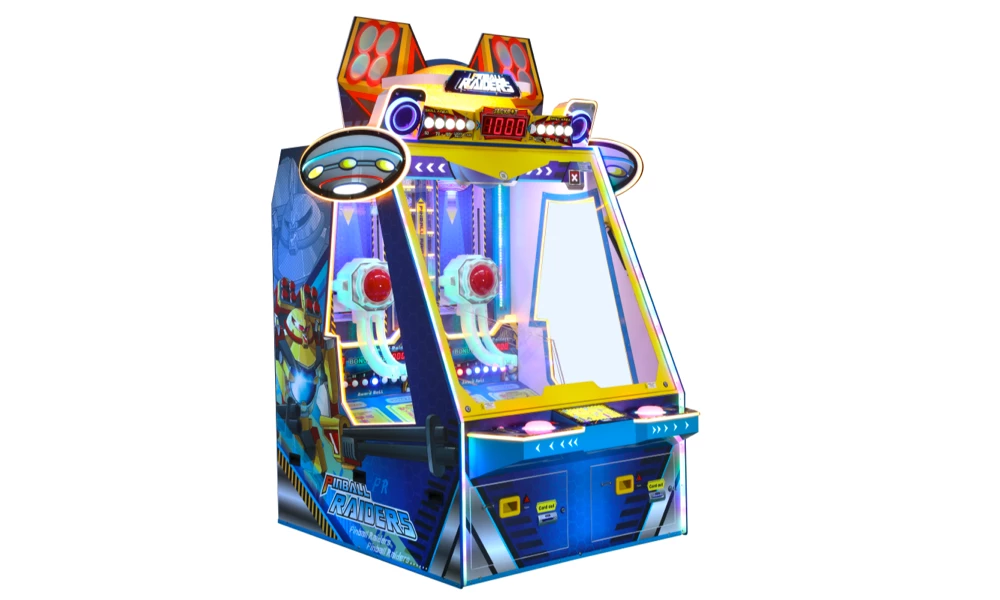
Both machine categories need clear fault escalation. A guest-visible problem should not be solved by unapproved adjustment of reward settings, opening panels with live circuits or removing safety guards. If the issue affects the integrity of tickets or scores, follow the venue's approved incident and adjustment procedure before returning the machine to play.
Ticket Dispensers, Reward Records and Prize Settings
Ticket redemption systems may use paper tickets, electronic points or another supported prize-accounting format. An operator must be able to distinguish player credits from tickets or points earned. The machine's physical scoring action and its reward interface are not necessarily the same component. A correct-looking gameplay cycle does not confirm that a balance was accurately recorded.
When permitted by the manufacturer, use a controlled test play to compare the displayed result with the venue's reward records. Verify ticket supplies and printer or dispenser faults where applicable, and confirm that signage reflects current prize requirements. Any configuration changes should be approved, documented and checked against local amusement and reward rules. Never make unauthorized adjustments merely to increase revenue or mask a discrepancy.
For a broader explanation of mechanical redemption formats and player reward systems, see what redemption arcade games are. That page explains game types; the maintenance process here focuses on keeping the installed equipment reliable and its recorded results accurate.
When Should an Arcade Machine Be Taken Out of Service?
Remove a machine from guest use when staff observe exposed electrical parts, damaged cables, an unstable cabinet, signs of overheating, repeated jams, abnormal moving assemblies, a suspected guard failure or incorrect prize and credit records that cannot be resolved through an approved operator-level process. An employee should not continue a test after discovering an unsafe condition. The cabinet should be clearly marked unavailable and the responsible service person notified.
Only authorized technicians should perform internal electrical repair, modification, protected mechanical work or procedures requiring isolation of hazardous energy. The manufacturer manual and applicable workplace safety requirements take precedence over general internet advice. Some equipment can retain hazardous energy after being switched off; trained personnel must determine and follow the correct isolation and verification process. Do not ask guest-facing staff to bypass interlocks or use makeshift repairs to reopen the game.
After a repair, document the work, verify the intended functions according to the authorized procedure and confirm that guards and panels are correctly restored. A machine should return to guest use only when the responsible operator is satisfied that the issue has been resolved. Those records are also useful when discussing recurring failures with the equipment supplier.
How to Build a Preventive Maintenance and Service Log
A simple service record is more valuable than a vague promise that machines will run without downtime. Start with each cabinet's model, serial identifier, location, installation date where known and the responsible maintenance contact. Record daily inspections, reported errors, cleaning performed, parts replaced, software or configuration changes and the authorized person who completed the work.
Review trends rather than relying on isolated complaints. Frequent credit faults, repeated ball jams or discrepancies in electronic ticket balances may point to a specific subsystem that needs qualified diagnosis. Planned checks should be scheduled around the actual manufacturer's recommended intervals, local operating conditions and past failure history. No universal weekly motor-cleaning or software-update schedule is appropriate for every arcade machine.

Operators can also monitor machine availability, time out of service, service cost and reward-record accuracy to evaluate whether the current maintenance plan is effective. High revenue does not compensate for unsafe operation or unresolved faults. For new equipment projects, contact PALM FUN about technical documents and model-specific service arrangements using the intended model and destination market.
Frequently Asked Questions About Arcade Machine Maintenance
What should an arcade operator check every day?
Inspect visible safety conditions, cabinet stability, user controls, credit recognition, normal gameplay and the result or redemption display using an approved test routine. Document abnormal behavior and remove unsafe machines from service. Internal work is separate from staff-level daily inspections.
Can I clean an arcade machine motor or circuit board myself?
Do not assume it is safe. Motors, wiring and boards may require specialized cleaning, power isolation and qualified service. Use the actual manufacturer's instructions and authorized personnel, and never spray liquids directly into protected electronic areas.
How often should a coin pusher be serviced?
Service intervals depend on the model, play volume, operating environment and manufacturer recommendations. A venue may inspect visible conditions daily, while technical maintenance follows a separate planned schedule. Use service records to identify repeated faults rather than invent a fixed universal interval.
What if a redemption machine gives the wrong number of tickets?
Stop or restrict play as appropriate and record the displayed result, test conditions and any available system logs. Follow the venue's approved discrepancy procedure and request qualified support if the cause is unclear. Do not change award settings without authorization.
What information should I send to a machine supplier for support?
Provide the exact model and serial identifier, a clear symptom description, when the fault occurs, any displayed error, relevant photos where safe, and the steps already performed under an approved procedure. Avoid opening a live cabinet just to obtain pictures.
Conclusion: Maintain Arcade Machines With Safe, Model-Specific Procedures
Daily maintenance starts with safe observation, consistent tests and accurate fault records. Mechanical coin pushers, ball-drop redemption games and other arcade cabinets do not share identical internal hardware, so each requires the manufacturer's own service procedure. Preventive inspections, verified reward records and responsible escalation help operators manage reliability without asking untrained staff to perform hazardous repairs. Treat maintenance as an operational discipline, not a guarantee of profits or trouble-free operation.

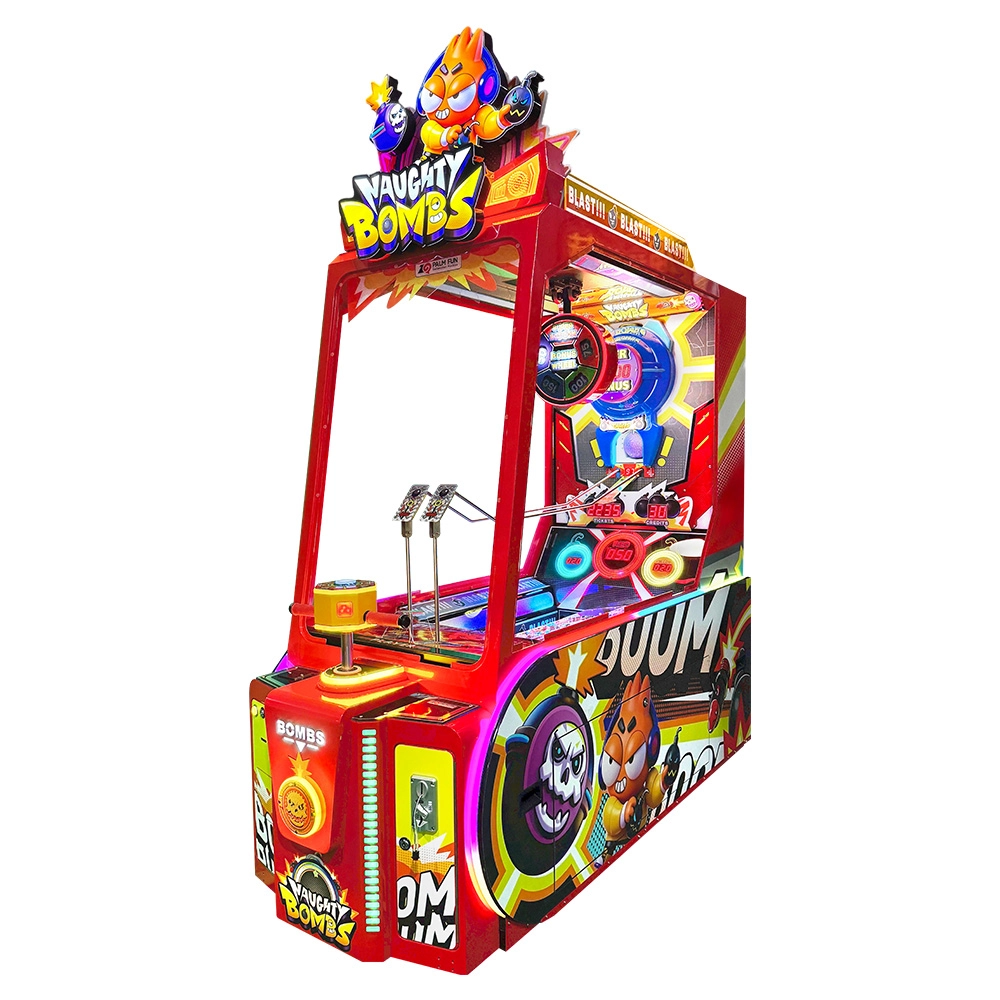
Naughty Bombs is a ball-drop redemption arcade game featuring rolling-ball gameplay, colored targets, ticket prizes, surprise bonus rewards, lighting and sound effects. Players use timing to launch and drop balls toward colored target areas. The product is presented for arcade, family entertainment center and other entertainment-venue projects, with customizable 110V / 220V AC voltage configuration.
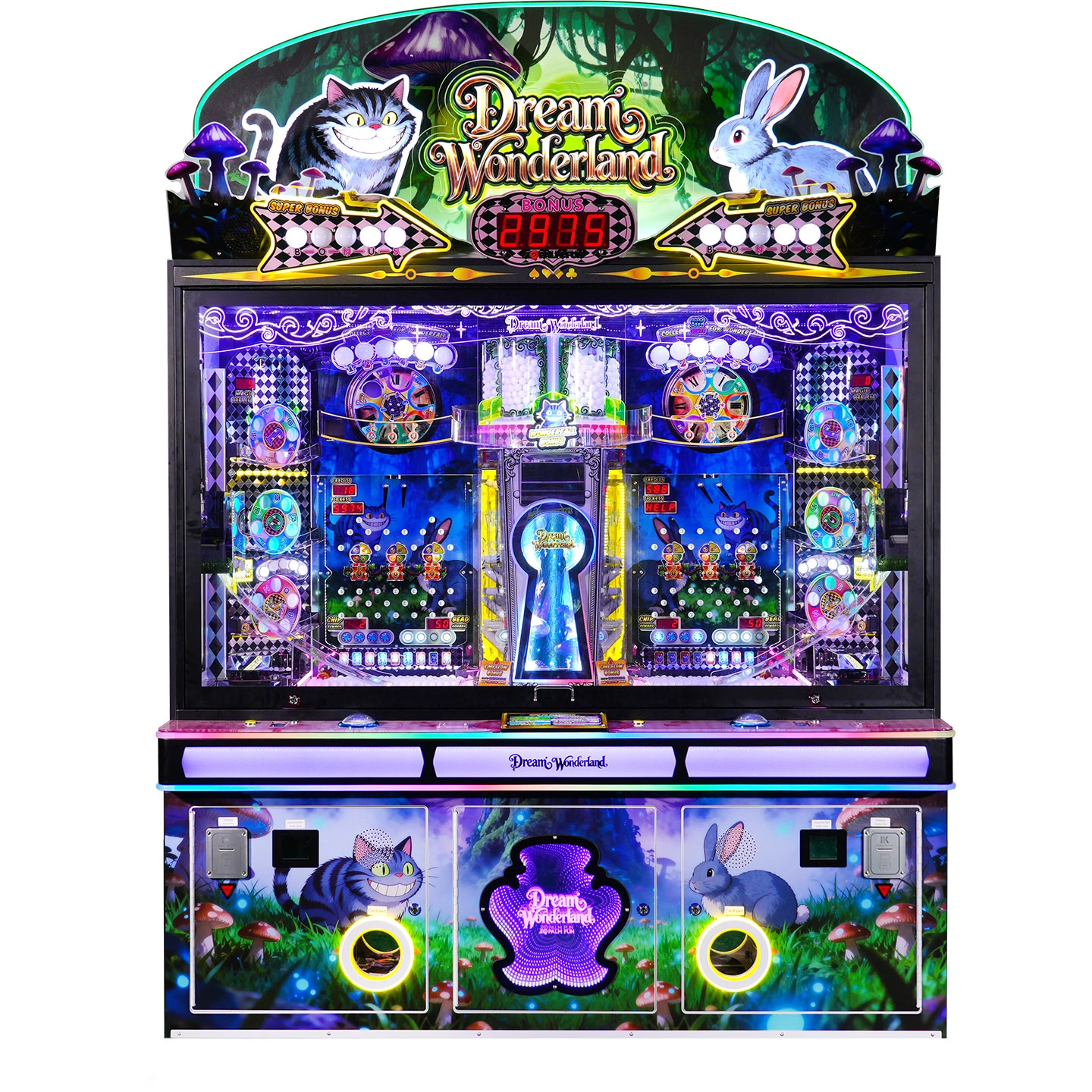
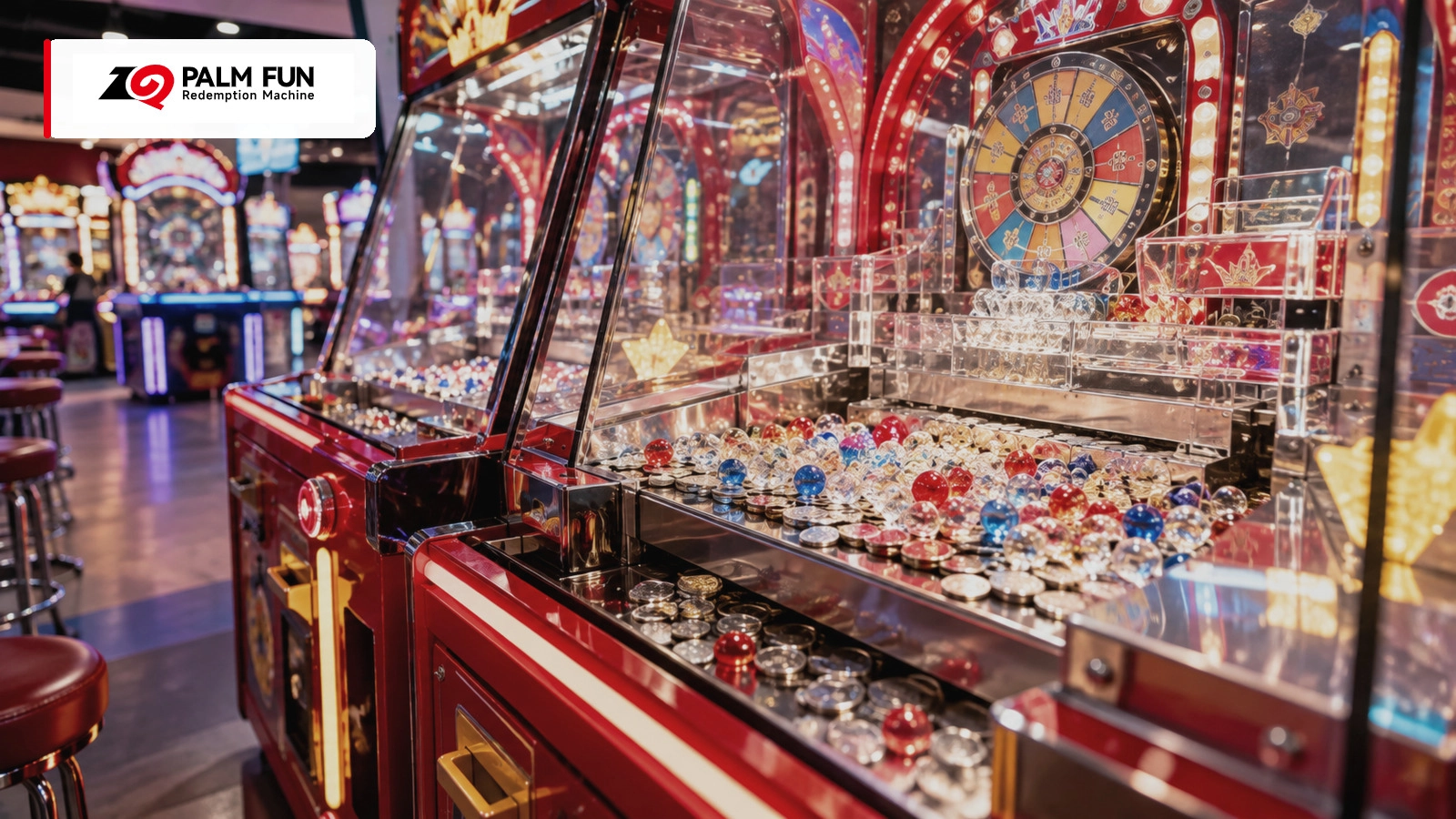
Enter Dream Wonderland — a magical marble pusher adventure filled with glowing lights, magic orbs, bonus wheels, collectible character cards, and exciting jackpot challenges.
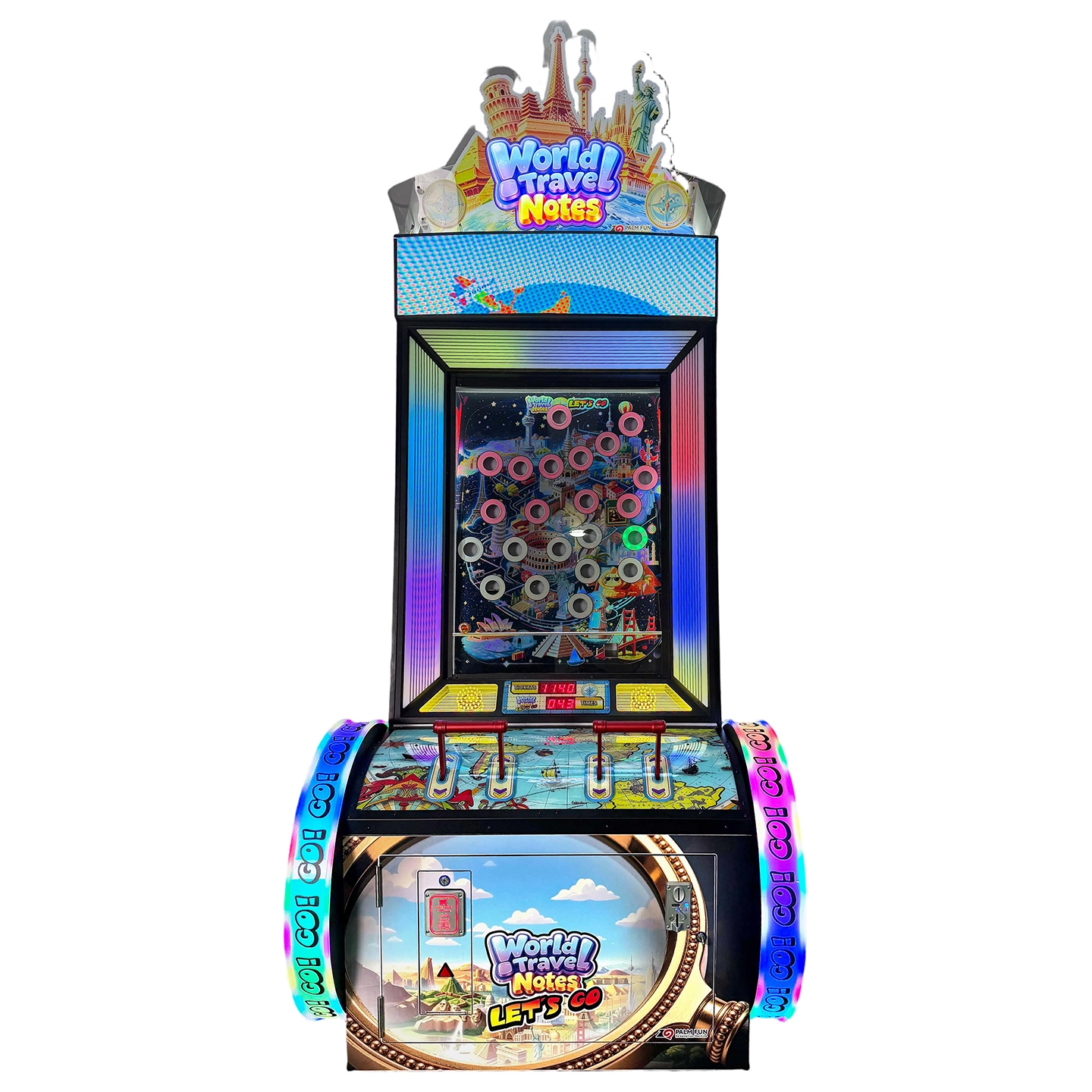
World Travel Notes is a skill-based balance ball redemption game with a fun world-travel theme. Players use two handles to control the balance bar and guide the ball into each target hole. As the game progresses, the targets become more challenging, leading players toward the final grand prize. With colorful world-travel graphics, dynamic RGB lighting, a live score display, and progressive difficulty, World Travel Notes is designed to attract attention and encourage repeat play in arcades, FECs, shopping malls, and other entertainment venues.
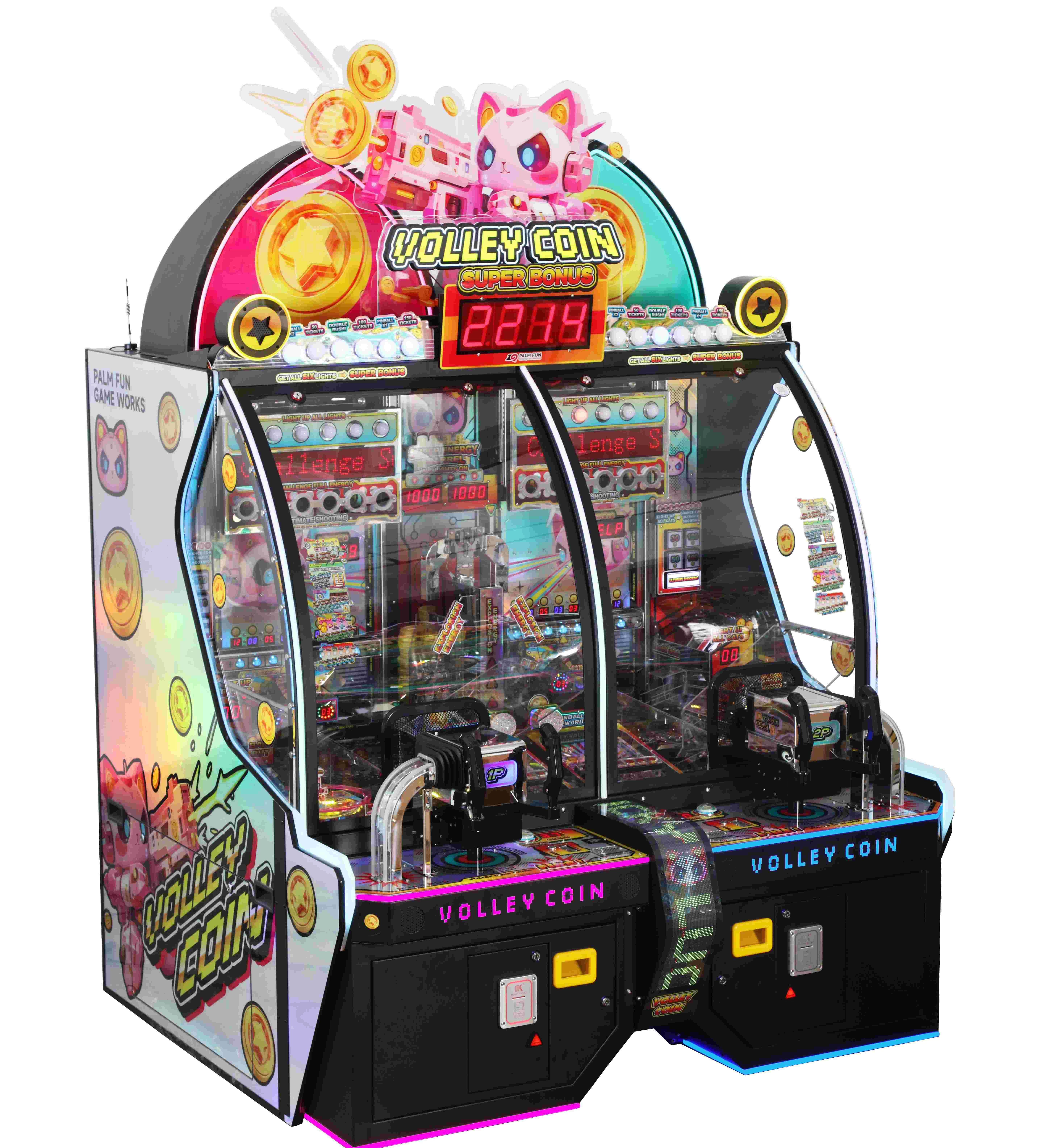
Volley Coin is an innovative arcade ticket redemption machine developed by Palm Fun Electronics. Combining the excitement of a fast-paced token shooter game with the proven earning power of a traditional coin pusher machine, Volley Coin offers a fresh and engaging gameplay experience that appeals to players of all ages.

Copyright © 2026 PALM FUN All Rights Reserved. | Privacy Policy • Terms and Conditions | Sitemap
palmfunarcade
Palm Fun Arcade Game
Whatsapp: +8618126837443
PalmFun Arcade
PalmFun_Arcade
PALM FUN Redemption Machine