








How to Choose Coin Pusher Prizes: FEC Redemption Guide
A practical FEC guide to choosing coin pusher redemption prizes, balancing merchandise cost, ticket requirements, licensing, inventory, guest needs and supplier roles.
- Understand How the Coin Pusher Awards Rewards
- Choose Prizes Based on the Venue's Actual Audience
- Build a Balanced Prize Range Without Inventing Ticket Values
- Calculate the Real Cost of Prize Redemption
- Verify Product Safety, Licensing and Prize Availability
- Use Transparent Prize Displays and Redemption Rules
- Monitor Stock and Improve the Prize Mix With Real Data
- Questions to Ask Prize Suppliers and Coin Pusher Manufacturers
- Frequently Asked Questions About Coin Pusher Prizes
- What prizes work best for a coin pusher redemption area?
- Do all coin pushers give prizes directly from the cabinet?
- How should an arcade calculate ticket prize costs?
- Can an arcade offer licensed or mystery-box prizes?
- How often should an FEC change its prize selection?
- Conclusion: Choose Prizes for Clarity, Cost and Guest Fit
How should arcade operators choose prizes for coin pusher redemption games? Start with a clear distinction between what the game awards and what guests can redeem. Many commercial coin pusher machines award tickets or points that can be exchanged at a venue's prize counter, rather than dispensing the displayed merchandise directly. Some configurations follow other reward rules. A suitable prize assortment should fit the audience, reflect actual acquisition costs, remain available in stock and be clearly labeled with valid ticket requirements.
Expensive-looking merchandise is not automatically the best choice. Low-cost items may help guests find an accessible reward, while collectible or premium options can serve players saving balances over multiple visits when the venue's rules allow it. The aim is to provide a consistent and understandable redemption experience without promising that a particular prize will increase revenue or that every play wins tickets. This guide focuses on prize selection and inventory management rather than generic coin pusher gameplay.

Understand How the Coin Pusher Awards Rewards
Before choosing merchandise, confirm whether the machine uses paper tickets, electronic points, direct prizes or another permitted system. The physical coins or tokens on the playfield do not necessarily represent cash or items the player can keep. The displayed game result must connect correctly to the venue's reward record, and the redemption counter should explain how the earned value can be used.
If several machines use one central ticket account, prize selection should be planned for the whole venue, not assigned to each cabinet as if it had its own independent payout budget. A machine may have bonus features, but its ticket configuration needs model-level confirmation. The PALM FUN All-New Upgraded Coin Pusher is one published commercial redemption machine example; its gameplay features do not prove that any particular prize assortment or redemption cost applies to every machine.
Staff should know what happens when a game records an unexpected balance or a guest believes a reward is missing. A discrepancy is a system or service question first, not a reason to promise unverified replacement tickets. Consistent signage and documented review procedures help keep the customer experience fair.
Choose Prizes Based on the Venue's Actual Audience
A family entertainment center, a tourist arcade and a small mixed-age game room may attract customers with different interests. Instead of guessing that one age group wants a particular technology accessory, look at actual redemptions, frequent questions and merchandise feedback. Select items with an age-appropriate presentation, reasonable durability and reliable availability. A product that is attractive in a photograph can still be difficult to stock or unsuitable for the venue's customers.
Start with accessible merchandise and a few intermediate and higher-ticket options if the reward system and budget support them. Consider whether guests are more interested in small toys, licensed collectibles, simple household items or practical accessories. These categories are illustrative; they should be validated through the specific venue's sales and redemption records rather than copied as a universal prize list.
Seasonal changes can be tested on a limited scale, provided the published ticket requirements remain accurate. When a themed attraction is installed, operators may consider complementary merchandise, but the brand or artwork used on a prize must be licensed or otherwise authorized. Do not assume a game cabinet's licensed entertainment theme grants permission to sell unrelated branded merchandise.
Build a Balanced Prize Range Without Inventing Ticket Values
Plan multiple reward levels using actual item costs and the venue's own ticket rules. A low ticket requirement may support quick redemption, while intermediate or premium rewards can give guests additional choices when they have sufficient balances. There is no universal number of tickets that must be charged for a plush toy, headphones or collectible. Ticket value depends on the venue's accounting model, actual merchandise procurement cost and redemption mix.
| Prize group | Guest purpose | Operator check |
|---|---|---|
| Accessible rewards | Choice for guests with smaller eligible balances | Cost, quality, stock and clear ticket signs |
| Intermediate rewards | Variety for guests saving points or tickets | Demand, ticket requirements and reorder lead time |
| Premium or collectible rewards | Optional longer-term redemption targets | Procurement cost, availability and brand rights |
| Limited seasonal items | Temporary variety where the venue permits it | Clearly stated dates, terms and inventory |
Displayed ticket prices should match the counter's recorded redemption terms. If an item is unavailable, update the visible display promptly rather than allowing guests to collect toward an incorrectly advertised prize. Prize shortages and confusing requirements can create avoidable complaints even when the machine itself works correctly.

Calculate the Real Cost of Prize Redemption
Evaluate the total cost of merchandise actually redeemed in the same measurement period as the attributable game revenue. Where appropriate, acquisition cost may include item purchase price, freight and directly allocated charges under the venue's accounting policy. Prize orders that remain in inventory are not the same event as prizes that have been redeemed by customers. Operators should also understand the obligations represented by tickets or points earned but not yet redeemed.
For example, suppose one prize costs 6 currency units to acquire and the counter requires 1,000 tickets to redeem it. The implied acquisition cost for that particular prize is 0.006 units per ticket, not a universal monetary value for every ticket in the venue. Other items may have very different cost ratios. A merchandising decision should therefore be based on the current catalogue and redemption records, rather than assuming that every ticket is worth one cent.
Revenue analysis also needs staff, machine maintenance, payment processing, rent and other relevant expenses. A popular prize can produce attractive activity while creating considerable costs. For the detailed relationship between ticket issuance, redemption expenses and operating contribution, refer to the arcade ticket payout and prize-cost calculation guide. This page concentrates on merchandise decisions and store operations.
Verify Product Safety, Licensing and Prize Availability
Prize stock should meet the applicable safety and labeling requirements for the destination market and intended users. An operator choosing toys, electronics, cosmetics or other merchandise should not assume that every item can be legally offered to every age group. Obtain appropriate supplier documentation and review relevant local restrictions. For batteries, electrical items or products intended for children, suitability and handling requirements can be particularly important.
Only use licensed characters, logos or branding where the venue has the relevant rights. Purchasing a coin pusher with licensed artwork does not automatically permit using that license on separate prize merchandise. Collectible blind boxes and mystery items may also raise disclosure or consumer-protection questions depending on how their contents and value are represented. Terms should not mislead guests about what they can actually receive.
Check supplier lead times and the risk of stockouts before making an expensive item the centerpiece of the counter. Limited-edition merchandise can be difficult to replace. Maintain an approved substitution and complaint process where permitted, and never promise an equivalent prize that is not available. A well-managed small selection may be more dependable than an oversized catalogue with inaccurate stock information.
Use Transparent Prize Displays and Redemption Rules
Guests should be able to see what can be redeemed, how many tickets or points are required and where to ask questions. Simple labels are better than marketing language that implies every player will win an attractive reward. If the venue uses electronic balances, staff should know which account, card or system records the earned value and how redemptions are confirmed.
A crowded prize wall can make the offer harder to understand. Organize items so ticket requirements and current availability are visible without blocking game controls or walkways. Changes to the catalogue should be reflected in both signs and the operating system. If a reward is restricted by age or another valid condition, the applicable term should be displayed accurately.
To connect game instructions with the counter experience, read the player ticket redemption communication guide. Staff explanations are especially important when first-time players confuse purchased game credits with earned prize points. The goal is a predictable process, not a guaranteed amount of merchandise for each play.
Monitor Stock and Improve the Prize Mix With Real Data
Track which items were redeemed, their actual costs, how long they remained in stock, recurring shortages and the questions customers ask. Identify whether low demand reflects the item's price in tickets, its display position, the age suitability of the merchandise or simple lack of interest. Any changes should be evaluated over a reasonable reporting period with comparable operating conditions.
Reordering should account for expected demand and the supplier's lead time, but past volume is not a promise of future demand. A venue may need a reserve for damaged or lost merchandise and a process for updating digital point balances accurately. Where several games feed one prize counter, avoid attributing all the reward expenses to the most visible coin pusher without supporting records.

Review the prize mix at a cadence that matches the venue's operations. This does not mean automatically changing the machines' award settings each month. If there are discrepancies between visible awards and recorded tickets, investigate through approved procedures before altering any game configuration. Good inventory data makes changes easier to justify without assuming that novelty or fashionable items always produce higher profits.
Questions to Ask Prize Suppliers and Coin Pusher Manufacturers
Two supplier roles may be involved in a redemption operation: the amusement equipment maker and the merchandise or prize supplier. The machine manufacturer can confirm gameplay, award interfaces and compatible redemption equipment. The prize vendor can confirm item pricing, product specifications, shipping, safety documents and any brand rights. One party's commitments should not be assumed to cover the other's responsibilities.
When buying PALM FUN coin pushers, ask about actual payment and ticket settings, cabinet service access, warranty scope and any proposed integration with the venue's points system. When buying prizes, request samples or accurate product descriptions where necessary, verify packaging and stock, and obtain the full delivered cost. For equipment-related questions, contact PALM FUN with the target model, venue and destination market so order-specific terms can be confirmed.
Frequently Asked Questions About Coin Pusher Prizes
What prizes work best for a coin pusher redemption area?
There is no universal best item. Consider the venue's guest profile, redemption history, acquisition cost, safety requirements and dependable supply. Offer a range of understandable ticket requirements rather than assuming expensive prizes always perform better.
Do all coin pushers give prizes directly from the cabinet?
No. Many commercial machines award tickets or points for a separate redemption counter, while other configurations can work differently. Confirm the actual game's reward process before planning the prize offer.
How should an arcade calculate ticket prize costs?
Use the documented acquisition costs of merchandise actually redeemed and the relevant ticket requirements and records. Cost per ticket is an operating measure, not a universal cash conversion promise.
Can an arcade offer licensed or mystery-box prizes?
Only where the merchandise, branding and promotion are permitted under applicable rules. Confirm the necessary intellectual-property rights, age suitability, product safety and accurate disclosure of the offer.
How often should an FEC change its prize selection?
Review stock levels, customer demand, complaints and redemption costs on a practical operating schedule. Change items when the evidence supports it; there is no fixed timetable or guaranteed commercial effect.
Conclusion: Choose Prizes for Clarity, Cost and Guest Fit
Choosing rewards for a coin pusher operation requires more than a fashionable or expensive prize wall. The actual machine's ticket rules, the venue's guest profile, real merchandise costs and reliable stock all matter. Operators who communicate eligibility clearly, keep records consistent and verify supplier responsibilities can make better prize decisions without promising wins or unrealistic profits. Prize selection is part of a dependable redemption service, not a substitute for one.


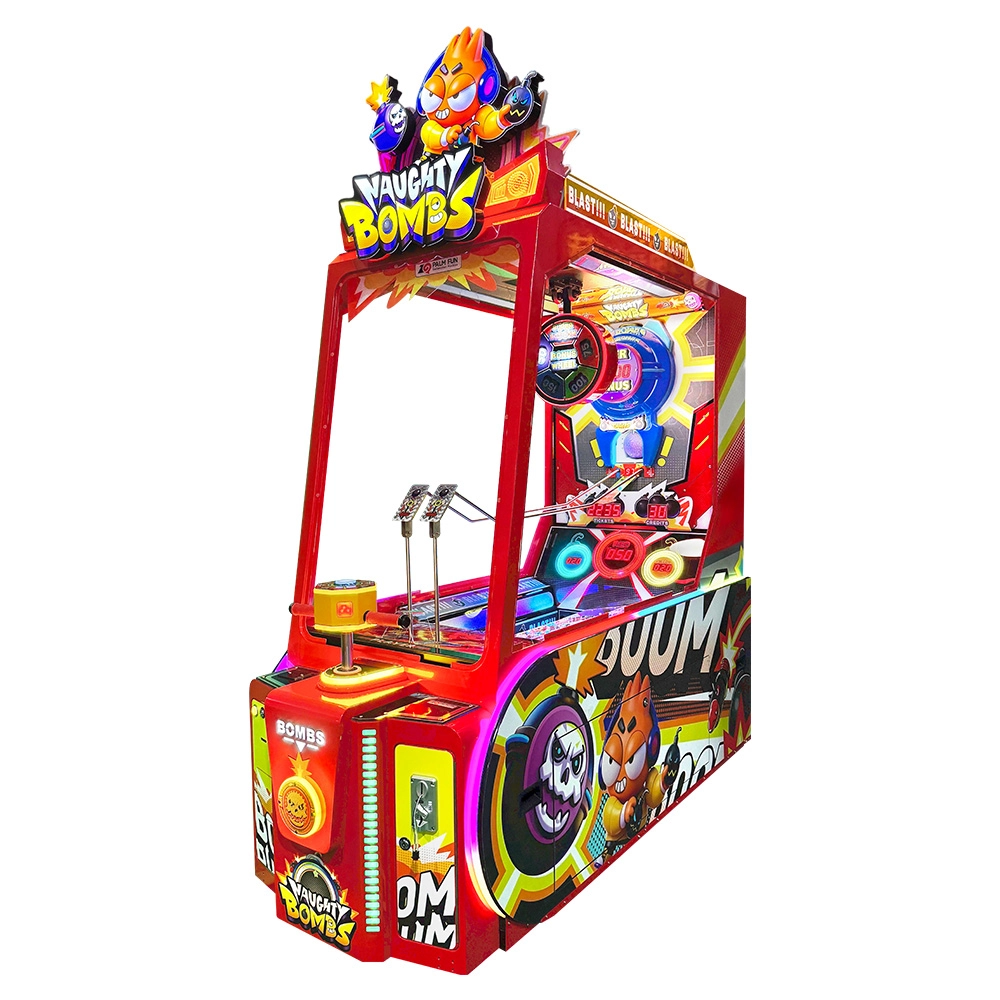
Naughty Bombs is a ball-drop redemption arcade game featuring rolling-ball gameplay, colored targets, ticket prizes, surprise bonus rewards, lighting and sound effects. Players use timing to launch and drop balls toward colored target areas. The product is presented for arcade, family entertainment center and other entertainment-venue projects, with customizable 110V / 220V AC voltage configuration.
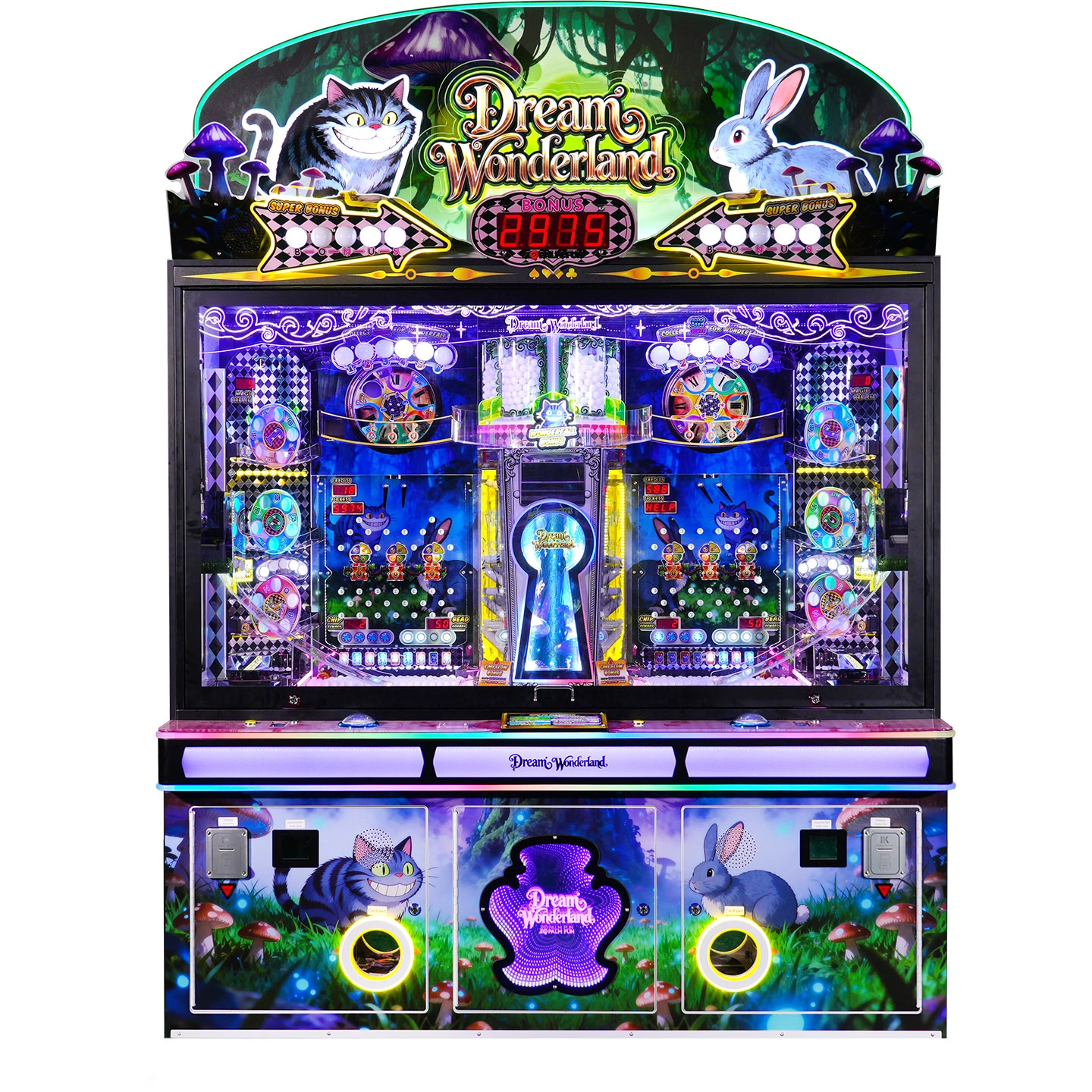
Enter Dream Wonderland — a magical marble pusher adventure filled with glowing lights, magic orbs, bonus wheels, collectible character cards, and exciting jackpot challenges.
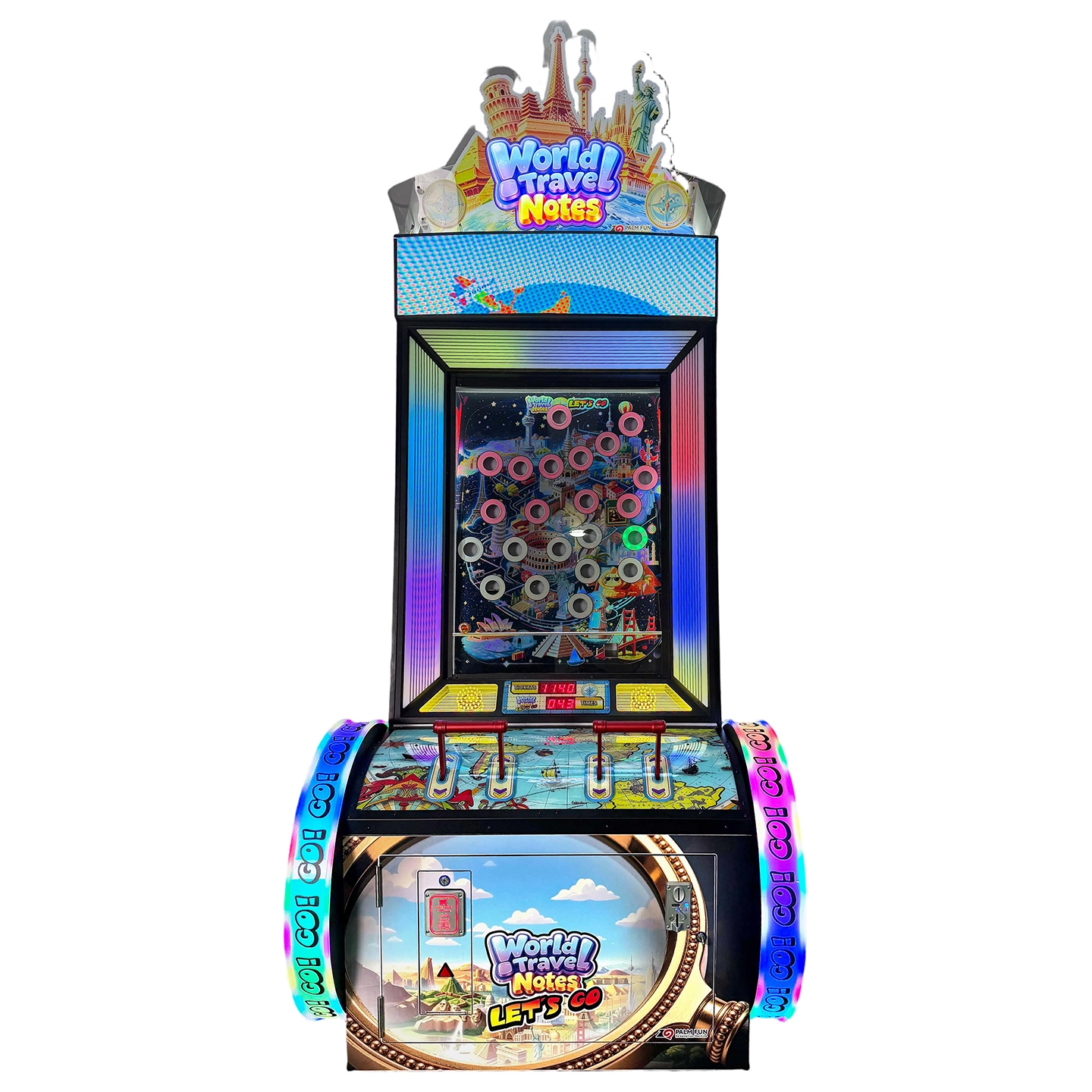
World Travel Notes is a skill-based balance ball redemption game with a fun world-travel theme. Players use two handles to control the balance bar and guide the ball into each target hole. As the game progresses, the targets become more challenging, leading players toward the final grand prize. With colorful world-travel graphics, dynamic RGB lighting, a live score display, and progressive difficulty, World Travel Notes is designed to attract attention and encourage repeat play in arcades, FECs, shopping malls, and other entertainment venues.
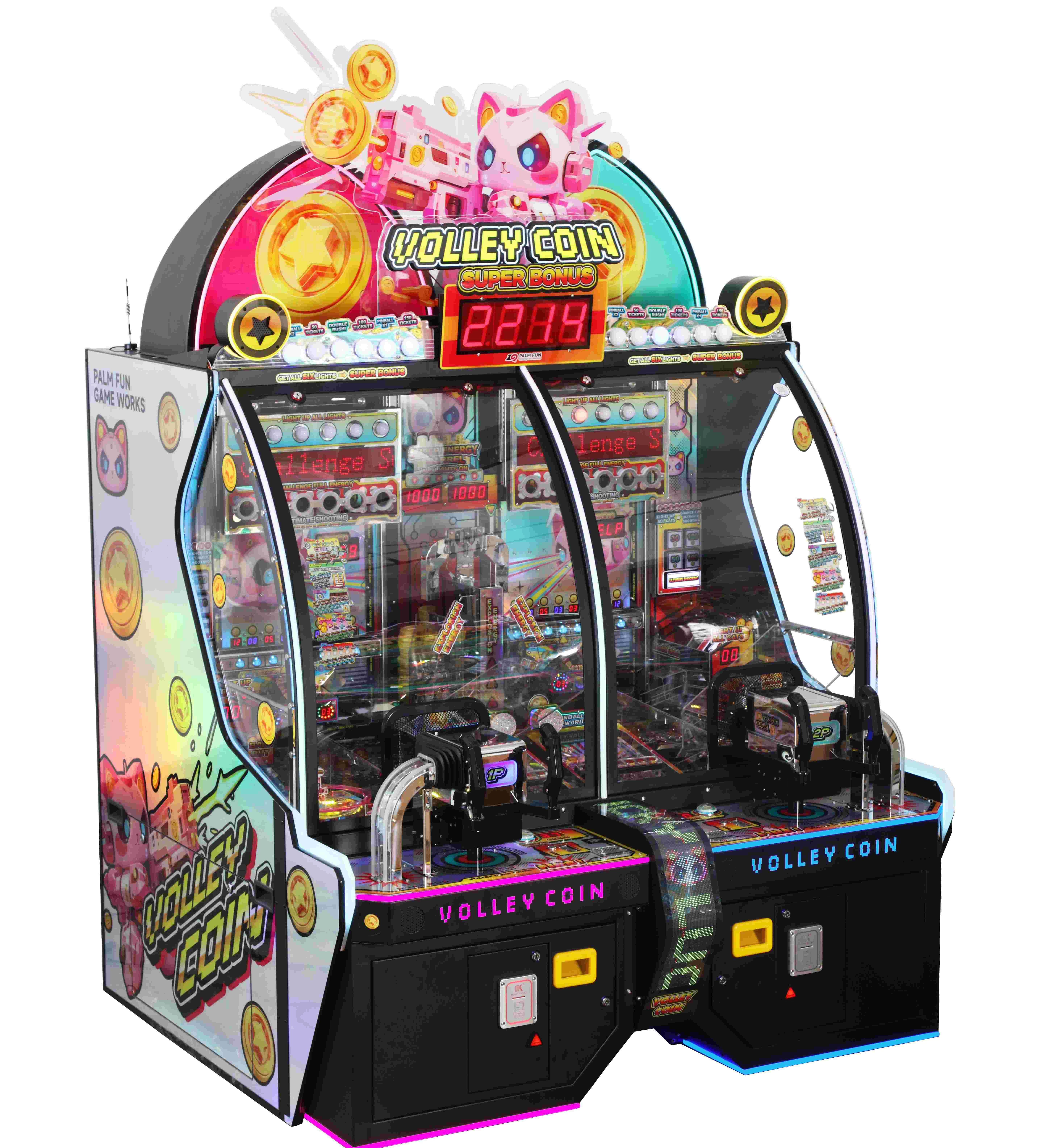
Volley Coin is an innovative arcade ticket redemption machine developed by Palm Fun Electronics. Combining the excitement of a fast-paced token shooter game with the proven earning power of a traditional coin pusher machine, Volley Coin offers a fresh and engaging gameplay experience that appeals to players of all ages.

Copyright © 2026 PALM FUN All Rights Reserved. | Privacy Policy • Terms and Conditions | Sitemap
palmfunarcade
Palm Fun Arcade Game
Whatsapp: +8618126837443
PalmFun Arcade
PalmFun_Arcade
PALM FUN Redemption Machine