


Redemption Arcade Machines & Venue Trust: Operator Guide
An FEC operator's guide to building guest trust with transparent ticket redemption, accurate reward records, prize displays, staff training and model-specific equipment checks.
- Why Ticket Redemption Transparency Matters for Guest Trust
- Align Game Displays, Ticket Records and the Prize Counter
- Design Prize Displays That Are Clear and Maintainable
- Train Staff to Explain the Play-to-Prize Journey
- Connect Redemption Operations to Equipment Selection
- How to Measure Guest Experience Without Assuming Higher Profit
- Frequently Asked Questions About Redemption Machines and Venue Trust
- Why does ticket redemption matter to an arcade's reputation?
- How can operators check ticket and prize balances?
- Do all redemption machines guarantee a prize?
- How should a venue handle an unavailable prize?
- What should arcade buyers ask redemption equipment suppliers?
- Conclusion: Build Brand Trust Through Clear Redemption Rules
How do redemption arcade machines influence a venue's brand? Guests judge an arcade not only by the games they play, but also by whether ticket and point balances are understandable, prize requirements are clear, staff can resolve problems and the equipment works as expected. In a family entertainment center (FEC), a confusing reward process can weaken trust even when the machine itself is exciting. A transparent redemption experience is therefore part of a venue's customer service and brand identity, not merely a game setting.
This article focuses on how arcade operators can design and audit that experience. It does not suggest that every game must provide a prize or that players are guaranteed a reward on every attempt. Different machines award different results, and venue rules as well as local laws determine what can be redeemed. The operating goal is to communicate those rules consistently and deliver the rewards that have actually been earned.

Why Ticket Redemption Transparency Matters for Guest Trust
Players should be able to understand the journey from a game result to an available prize. That means explaining where tickets or points come from, how earned value is recorded, whether a balance can be stored and what prize requirements apply. A guest who cannot find the current prize requirement or receives conflicting answers from staff may be dissatisfied even if the equipment works normally. Clear rules reduce uncertainty and help set appropriate expectations.
At the machine, show the controls, supported game credit and result or reward information. At the counter, show current prize options and required ticket or point balances. If a feature such as balance transfer or stored points is not supported by the installed system, do not imply that it is available. This consistency is important for new players and families who may be experiencing the redemption process for the first time.
For a full explanation of the play-to-prize loop, operators can consult what redemption arcade games are. Here the focus is how staff and venue design turn that mechanism into an understandable, dependable experience.
Align Game Displays, Ticket Records and the Prize Counter
What the game says the player earned should match what the venue's approved reward system records. Some installations use paper tickets; others rely on digital balances, cards or other supported methods. Operators should identify each relevant record and check that guest-facing displays accurately reflect the configured system. This is particularly important after changes to machine settings, ticket hardware or prize-counter procedures.
A practical reconciliation process compares three things where available: the game result or machine report, the ticket or stored-value record, and the redemption transaction. A fourth source such as payment or credit meters may help operators investigate an inconsistency, but it is not universally available on every machine. Never claim that all equipment offers a particular “four-way audit” feature; use the reporting and logging functions of the actual installation.

| Guest touchpoint | Trust-building information | Operational check |
|---|---|---|
| Game cabinet | How play begins and what results or awards are supported | Instructions match the configured game |
| Ticket or point balance | Where players can verify eligible value | Displayed and recorded value agree |
| Prize counter | Prize availability, requirements and redemption terms | Current signs match the inventory and policies |
| Staff support | How to ask about missing value or unavailable prizes | Documented resolution and escalation process |
Discrepancies should trigger an approved review, not an improvised change to machine difficulty or reward parameters. Staff can record what happened, restrict use where necessary, and ask the responsible technician or manager to investigate. The aim is to restore accuracy and trust without promising an award that cannot be verified.
Design Prize Displays That Are Clear and Maintainable
A prize area sends a message about how carefully the venue is operated. Clear labeling, accurate ticket requirements and organized inventory help guests make decisions without searching for rules. Prize selection should reflect the audience and the system actually installed. More expensive or more visually impressive prizes are not automatically better; they create purchasing and stock responsibilities that operators must manage.
Before displaying a prize, confirm that the venue can deliver it under the current rules. Indicate unavailable items rather than leaving an out-of-stock product as an apparent promise. Staff should understand what happens when a prize changes, a balance is insufficient or the redemption record appears wrong. If the venue offers any promotions or special redemption terms, those details need to be accurate and approved.

Reward cost also matters. An attractive prize wall can be difficult to sustain if it is managed without inventory controls or a realistic budget. Operators should track the actual acquisition cost of issued rewards separately from gross play revenue and monitor whether the process works consistently for guests. The goal is not to claim that expensive prizes automatically increase revenue, but to make the offer transparent and economically manageable.
Train Staff to Explain the Play-to-Prize Journey
Most guest questions arise at predictable moments: when starting a new machine, checking a balance, choosing a prize or reporting an apparent mistake. A short consistent explanation can help employees answer without relying on assumptions. For example, staff should know what the machine records, where the guest can view earned value and who can resolve a disputed result. They should also understand that credit purchased for play is not necessarily the same as tickets earned.
Training should use the machines and reward arrangements in the actual venue. A paper-ticket system can have different procedures from a digital card or account balance. A staff member should not promise that two systems can share points unless that feature is confirmed. If an equipment fault is suspected, the machine should be checked under the approved process rather than being opened or adjusted by unqualified personnel.

Operators can identify recurring gaps by recording repeated questions, missing or unclear signs and the types of incidents escalated to management. This is more dependable than assuming guest trust has improved because more prizes are displayed. The separate player ticket redemption explanation guide provides practical examples of signs, demonstrations and staff communication.
Connect Redemption Operations to Equipment Selection
Brand experience begins before the first ticket is issued: it depends on buying equipment that fits the venue and can be maintained. Mechanical coin pushers, ball-drop games and hybrid redemption machines may differ in play duration, user controls, reward interfaces and service access. Before purchase, operators should verify the exact model's gameplay and prize functions, dimensions, player capacity, electrical requirements and technical support. Product labels are not substitutes for technical documentation.
For example, PALM FUN's Burger Mania Coin Pusher Machine illustrates mechanical coin-pushing gameplay, but no general article can establish the exact reward settings of a future order. Buyers should also confirm compatibility with any payment and redemption system already used in the venue. A machine that requires a separate support process or unverified integration may introduce avoidable guest confusion.

Written supplier quotations should clarify what is included in the equipment package and who provides installation, spare parts, maintenance documentation and warranty support. The venue must separately confirm destination-market amusement and prize rules. A machine's skill-based or redemption label alone does not establish a legal exemption or guarantee that the game fits local requirements.
How to Measure Guest Experience Without Assuming Higher Profit
Guest trust and commercial profitability are related operational concerns, but they are not the same metric. A venue can improve clarity while still needing to control reward costs, staffing and downtime. Monitor reported ticket discrepancies, repeated player questions, prize stockouts, time spent resolving incidents and the availability of machines. These records show whether the process is working consistently without inventing a “brand loyalty” percentage or guaranteed ROI.
Financial monitoring should separately track paid plays, revenue attributable to the machines, actual cost of delivered prizes, repair expenditure and other relevant venue costs. A high number of issued tickets is not automatically a profit indicator, nor is one popular prize enough to prove the floor is performing well. For an operating-cost perspective, see ticket payouts and arcade profitability.

Review the results with staff and revise the points of confusion that the data supports. An inaccurate sign may be fixed more effectively by updating it than by changing machine reward settings. If a repeated equipment error is responsible, request qualified technical support before returning the game to service. These adjustments support a better guest experience while keeping safety and documented procedures central to the operation.
Frequently Asked Questions About Redemption Machines and Venue Trust
Why does ticket redemption matter to an arcade's reputation?
Guests need to understand what they earned and how to redeem it. Clear displays, current prize requirements and dependable staff assistance can improve the experience. A machine's visual appeal does not replace accuracy or customer service.
How can operators check ticket and prize balances?
Compare available machine results, ticket or point-system records and redemption transactions using the installed system's supported reports. Log discrepancies and investigate them through approved procedures. Reporting capabilities vary by model and venue.
Do all redemption machines guarantee a prize?
No. Different games have different scoring and reward rules. An operator must explain what the particular configuration supports and should not promise a prize or ticket amount that its rules do not guarantee.
How should a venue handle an unavailable prize?
Update displays promptly, explain the applicable terms and provide accurate information about currently available choices. Staff should follow the venue's approved policies without promising substitutions that have not been authorized.
What should arcade buyers ask redemption equipment suppliers?
Request model-level gameplay, credit and award details, ticket or point integration options, cabinet dimensions, power requirements, service access, technical support and written commercial terms. Confirm applicable local requirements for the intended market.
Conclusion: Build Brand Trust Through Clear Redemption Rules
Redemption machines can contribute to an arcade's identity when guests can understand gameplay, verify awards and find help when something goes wrong. A reliable experience comes from accurate instructions, maintained equipment, consistent records, thoughtful prize displays and trained staff. Those practices are more useful than unsubstantiated claims that ticket games guarantee profit or that an entire country bans all redemption formats.
PALM FUN supplies commercial mechanical redemption and coin pusher equipment. For venue projects requiring specific gameplay, reward integration or service arrangements, buyers can contact PALM FUN with the destination market, game category and venue requirements. Final technical and commercial details should be confirmed for the selected model and order.
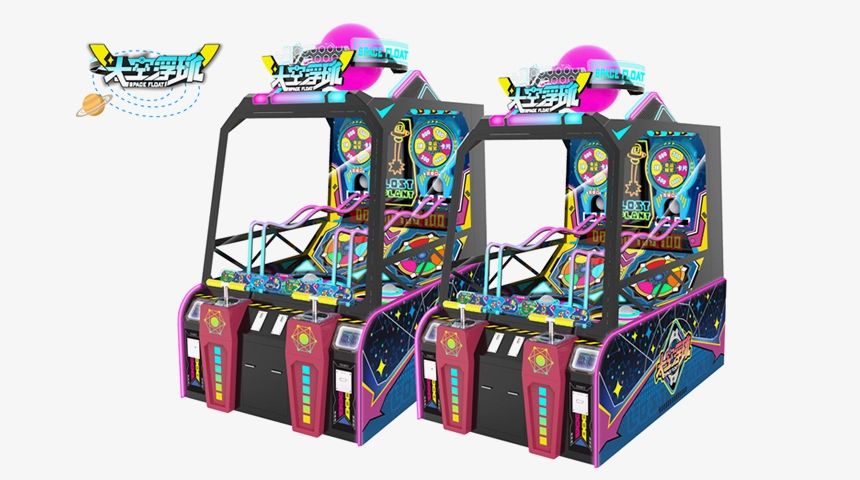

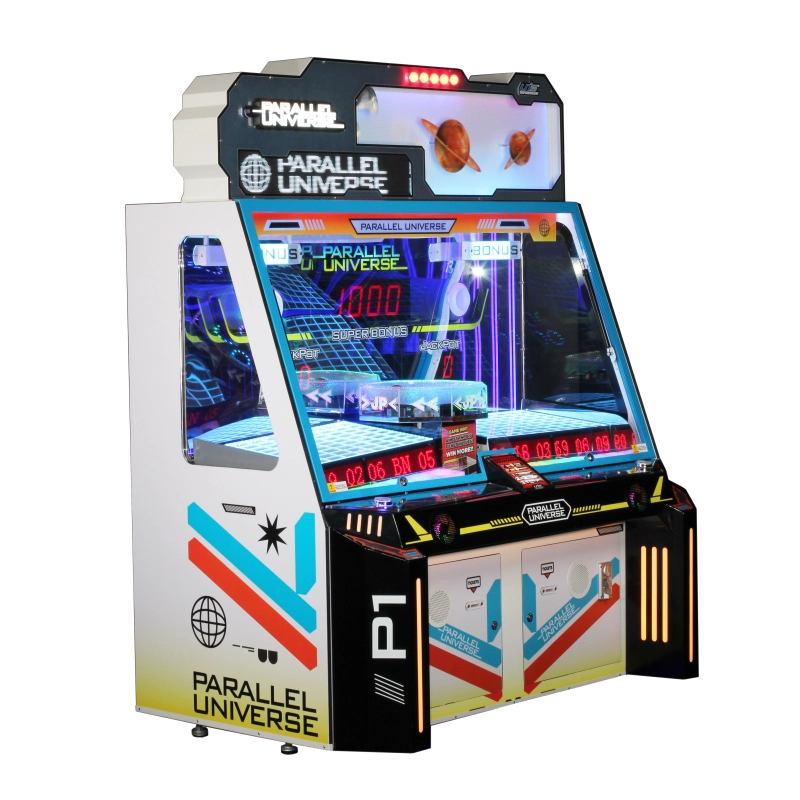
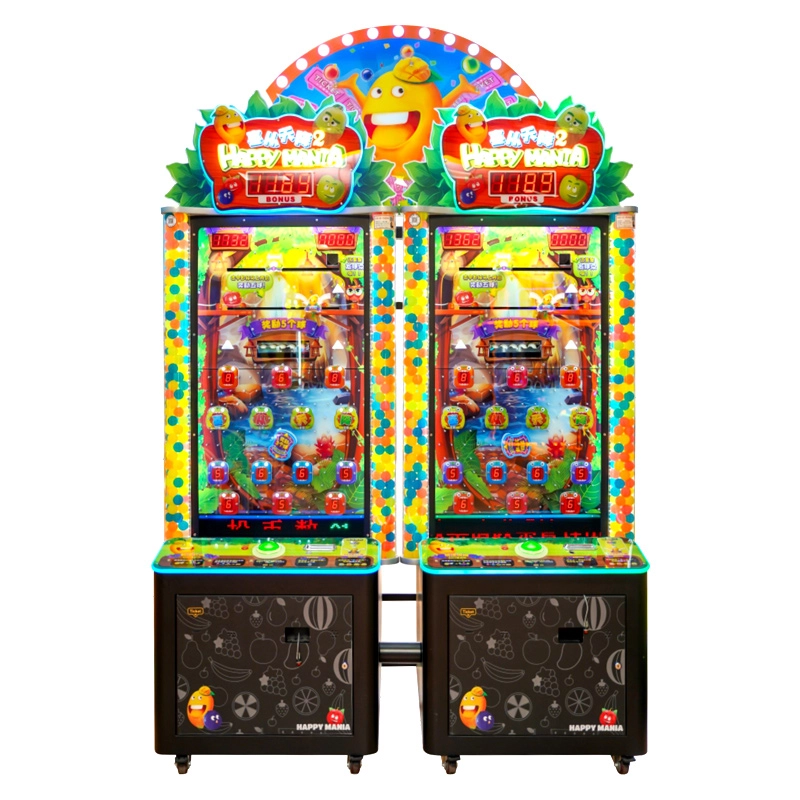
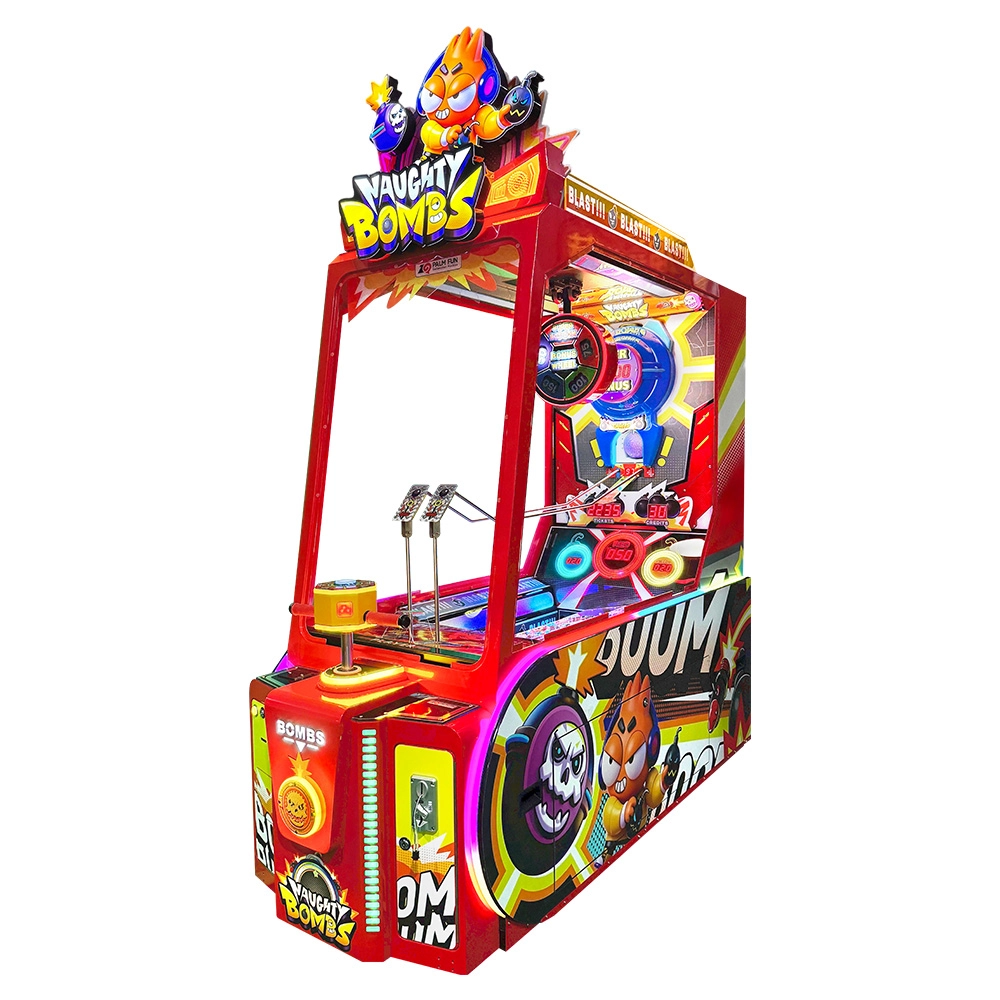
Naughty Bombs is a ball-drop redemption arcade game featuring rolling-ball gameplay, colored targets, ticket prizes, surprise bonus rewards, lighting and sound effects. Players use timing to launch and drop balls toward colored target areas. The product is presented for arcade, family entertainment center and other entertainment-venue projects, with customizable 110V / 220V AC voltage configuration.
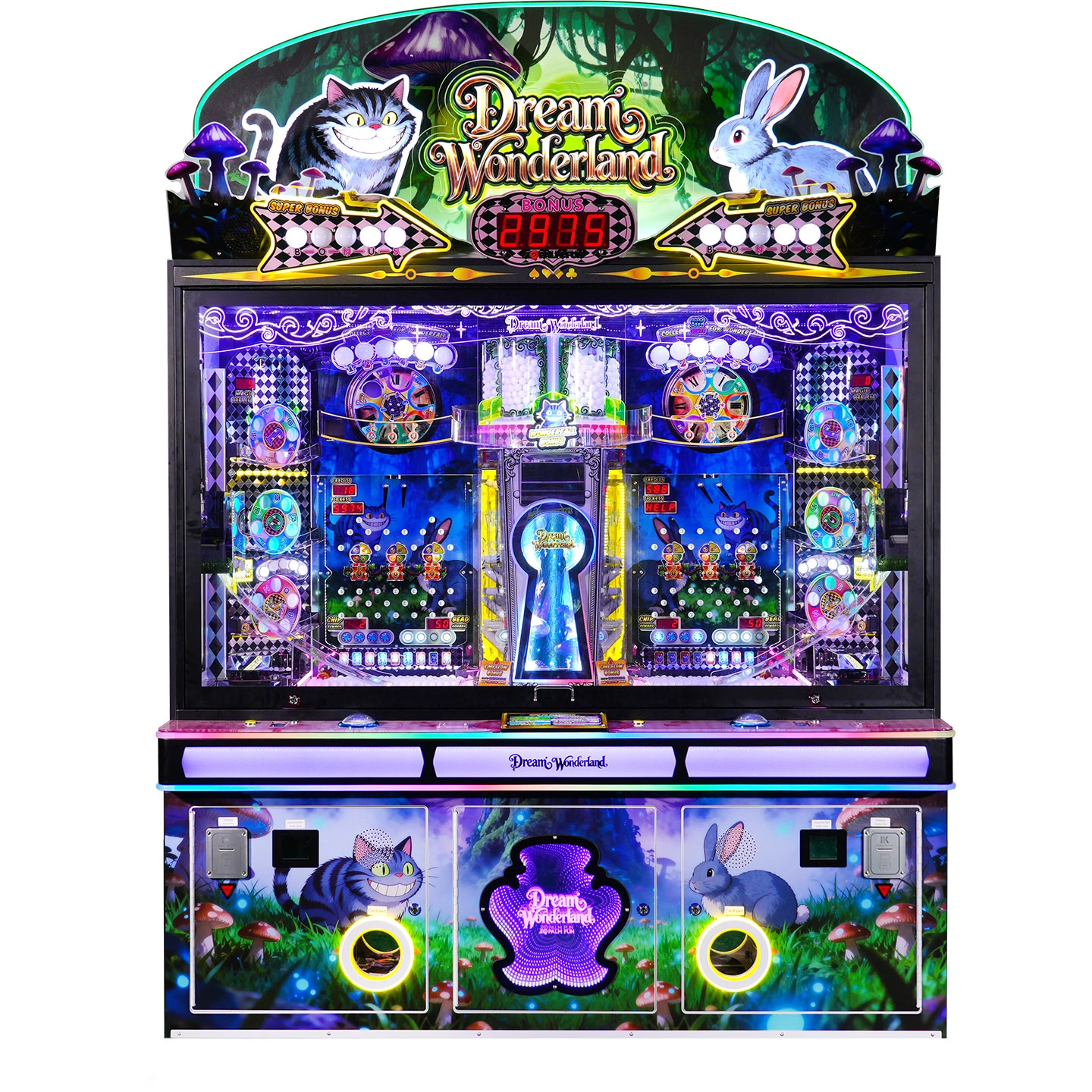
Enter Dream Wonderland — a magical marble pusher adventure filled with glowing lights, magic orbs, bonus wheels, collectible character cards, and exciting jackpot challenges.

Copyright © 2026 PALM FUN All Rights Reserved. | Privacy Policy • Terms and Conditions | Sitemap
palmfunarcade
Palm Fun Arcade Game
Whatsapp: +8618126837443
PalmFun Arcade
PalmFun_Arcade
PALM FUN Redemption Machine