








How to evaluate pinball arcade machine quality before buying?
Buying a pinball arcade machine requires more than a visual check. This guide explores technical evaluation metrics, from solenoid duty cycles and playfield PF finishes to PCB stability and cabinet construction, ensuring your redemption game investment delivers long-term ROI and durability.
- 1. How can I verify the playfield's 'Playfield Finish' (PF) rating to ensure it won't dimple under high-velocity steel ball impact?
- 2. What are the specific duty cycle ratings for the solenoids and flipper coils in a commercial-grade machine?
- 3. How do I assess the PCB architecture for 'Electrostatic Discharge' (ESD) protection and modular repairability?
- 4. What specific cabinet joint construction techniques indicate a machine can withstand 'Nudging' and 'Tilting' without structural fatigue?
- 5. How does the 'Switch Matrix' design impact long-term maintenance and ghosting issues in digital-hybrid machines?
- 6. What are the 'Input Lag' and 'Refresh Rate' specifications for the LCD backbox or playfield displays?
In the competitive world of the amusement industry, selecting a high-performance pinball arcade machine is a strategic investment. For operators and collectors, the difference between a high-earning redemption game machine and a maintenance nightmare lies in the technical nuances of its construction. This guide leverages industry expertise to help you navigate the complexities of arcade game equipment procurement.
1. How can I verify the playfield's 'Playfield Finish' (PF) rating to ensure it won't dimple under high-velocity steel ball impact?
Beginners often overlook the hardness of the playfield. A professional-grade pinball arcade machine should utilize 7-ply to 9-ply birch plywood topped with a specialized clear coat. To evaluate quality, ask for the 'Shore Hardness' or the specific chemical composition of the automotive-grade urethane used. A high-quality finish must withstand the 80-100 gram impact of a 1-1/16 inch steel ball traveling at high speeds. Inspect the 'clear coat' thickness near the flipper assembly; if it appears thin or lacks a mirror-like depth, the wood will likely 'dimple' or 'ghost' within 500 plays, significantly reducing the machine's resale value and aesthetic appeal.
2. What are the specific duty cycle ratings for the solenoids and flipper coils in a commercial-grade machine?
In a high-traffic amusement center, solenoids are the heart of the action. Low-end machines use generic coils that overheat, leading to 'flipper fade' where the power drops during extended play sessions. A High Quality redemption game uses coils with a 100% duty cycle rating and high-temperature resistant copper wiring (Class H insulation). Before buying, check the coil gauge and the presence of heat sinks on the driver board. If the manufacturer cannot provide the 'pulse width modulation' (PWM) settings for the coils, the machine may lack the sophisticated power management needed to prevent coil burnout during peak hours.
3. How do I assess the PCB architecture for 'Electrostatic Discharge' (ESD) protection and modular repairability?
Many modern arcade machines fail because their circuit boards are poorly shielded. A high-quality pinball arcade system should feature an 'Opto-isolated' I/O design, which prevents a short circuit in a playfield switch from frying the main CPU. Look for modularity: are the driver boards, sound boards, and CPU boards separate? Integrated 'all-in-one' boards are cheaper to manufacture but cost thousands to replace if a single component fails. Ensure the PCB uses gold-plated edge connectors and high-quality capacitors rated for 105°C to ensure longevity in non-climate-controlled environments.
4. What specific cabinet joint construction techniques indicate a machine can withstand 'Nudging' and 'Tilting' without structural fatigue?
The physical stress on a pinball arcade cabinet is immense due to players 'nudging' the machine. Avoid cabinets held together by simple staples or glue. Professional redemption game machines utilize 'Box and Finger' joints or 'Dovetail' construction reinforced with steel corner brackets. Check the thickness of the bottom panel; it should be at least 1/2 inch thick to prevent sagging. Furthermore, the legs should be mounted to heavy-duty steel plates bolted through the cabinet corners, not just screwed into the wood, to prevent the 'wobble' that plagues lower-tier coin-operated games.
5. How does the 'Switch Matrix' design impact long-term maintenance and ghosting issues in digital-hybrid machines?
In the transition to digital and hybrid arcade game tech, the switch matrix (the system that detects ball hits) is a common failure point. Evaluate whether the machine uses mechanical microswitches, magnetic reed switches, or optical sensors. For high-reliability redemption machines, optical sensors are preferred for high-speed areas (like ramps) because they lack moving parts. If the machine uses mechanical switches, ensure they are 'Gold Crosspoint' switches, which are rated for millions of cycles and are resistant to the oxidation that causes 'ghost' hits or missed scores.
6. What are the 'Input Lag' and 'Refresh Rate' specifications for the LCD backbox or playfield displays?
Modern pinball arcade machines often incorporate 4K displays. However, a high resolution is useless if the 'Input Lag' exceeds 10ms. This delay between the flipper button press and the on-screen action ruins the player experience. Ask for the display's refresh rate (minimum 60Hz, ideally 120Hz for virtual elements) and the response time of the controller board. High-end amusement equipment uses industrial-grade LVDS or DisplayPort interfaces rather than consumer-grade HDMI converters to ensure zero-latency gameplay, which is critical for maintaining high player retention rates.
Investing in a pinball arcade machine from Palm-Fun ensures you receive equipment engineered with these professional standards in mind. Our machines feature reinforced cabinetry, high-durability electronics, and superior playfield finishes designed for the rigors of the modern redemption game market. By prioritizing these technical details, you guarantee a lower total cost of ownership and a superior experience for your patrons.
Contact us today at luobin@palm-fun.com for a professional quote and expert consultation on your next arcade investment.

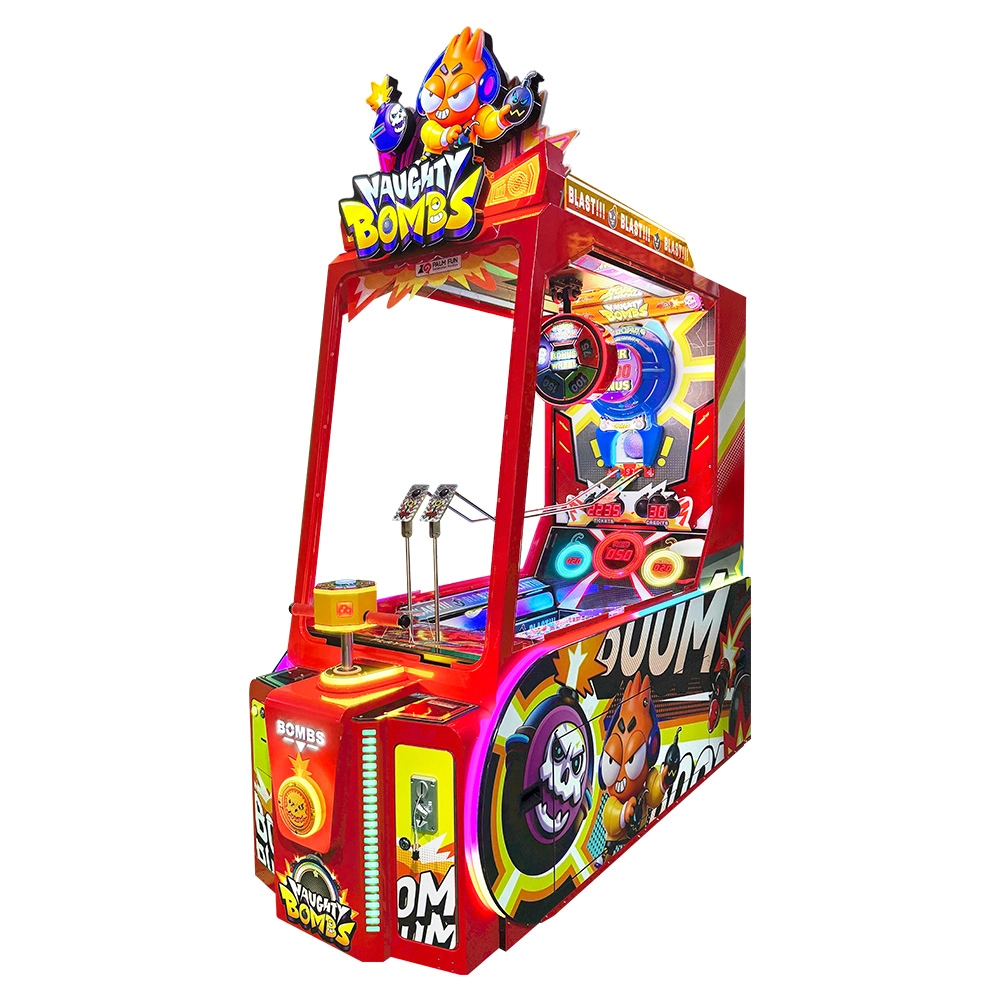
Naughty Bombs is an exciting redemption arcade game designed to capture attention and keep players coming back for more. Featuring a bright red cabinet, dynamic lighting, fun sound effects, and interactive rolling-ball gameplay, it delivers nonstop excitement in a compact footprint. Players test their timing skills by launching and dropping balls into colored targets to unlock surprise bonus rewards and ticket prizes. With easy-to-learn mechanics, engaging skill-based action, and strong visual appeal, Naughty Bombs is an ideal attraction for arcades, FECs, and entertainment venues looking to boost player engagement and revenue.
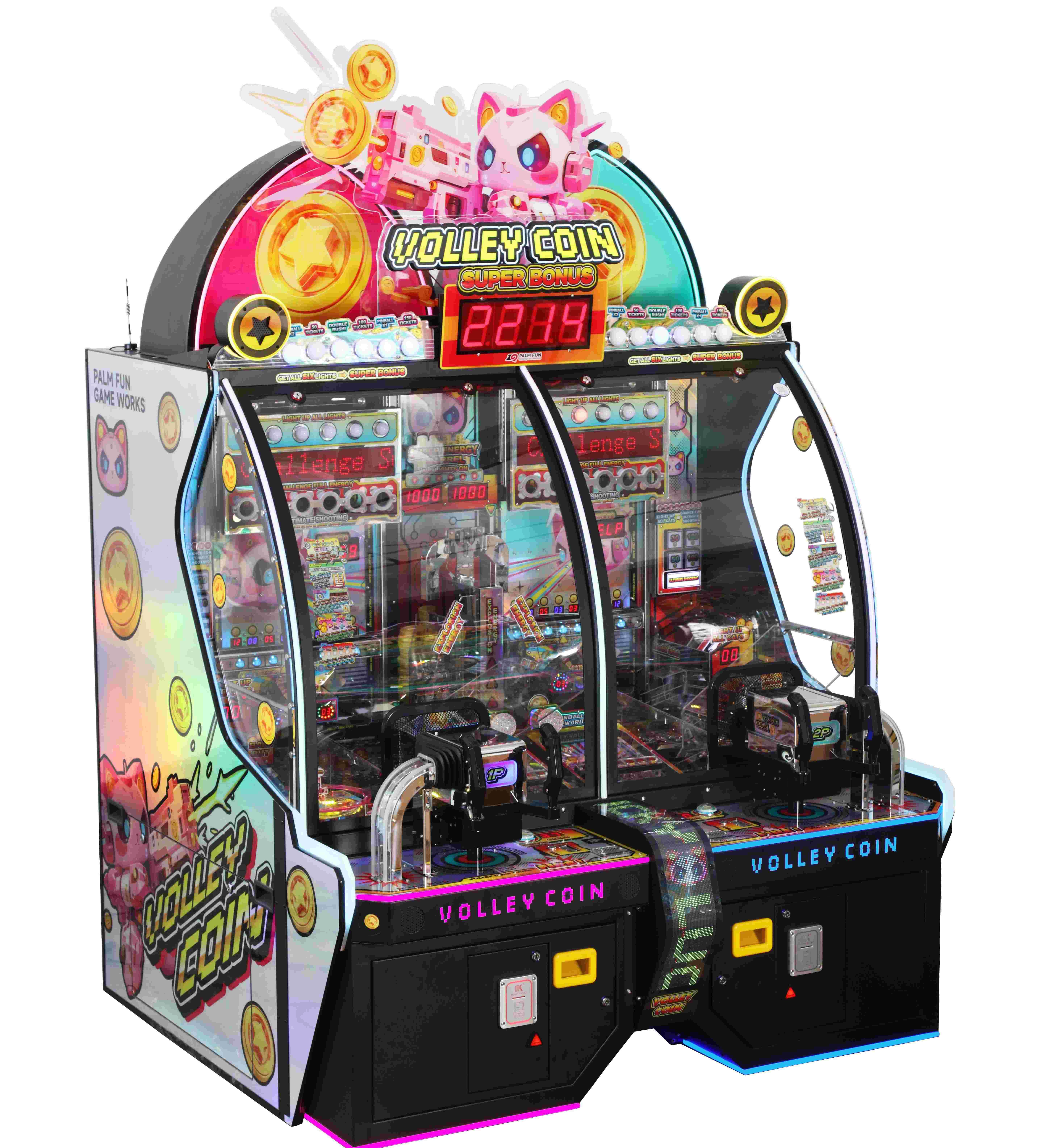
Volley Coin is an innovative arcade ticket redemption machine developed by Palm Fun Electronics. Combining the excitement of a fast-paced token shooter game with the proven earning power of a traditional coin pusher machine, Volley Coin offers a fresh and engaging gameplay experience that appeals to players of all ages.
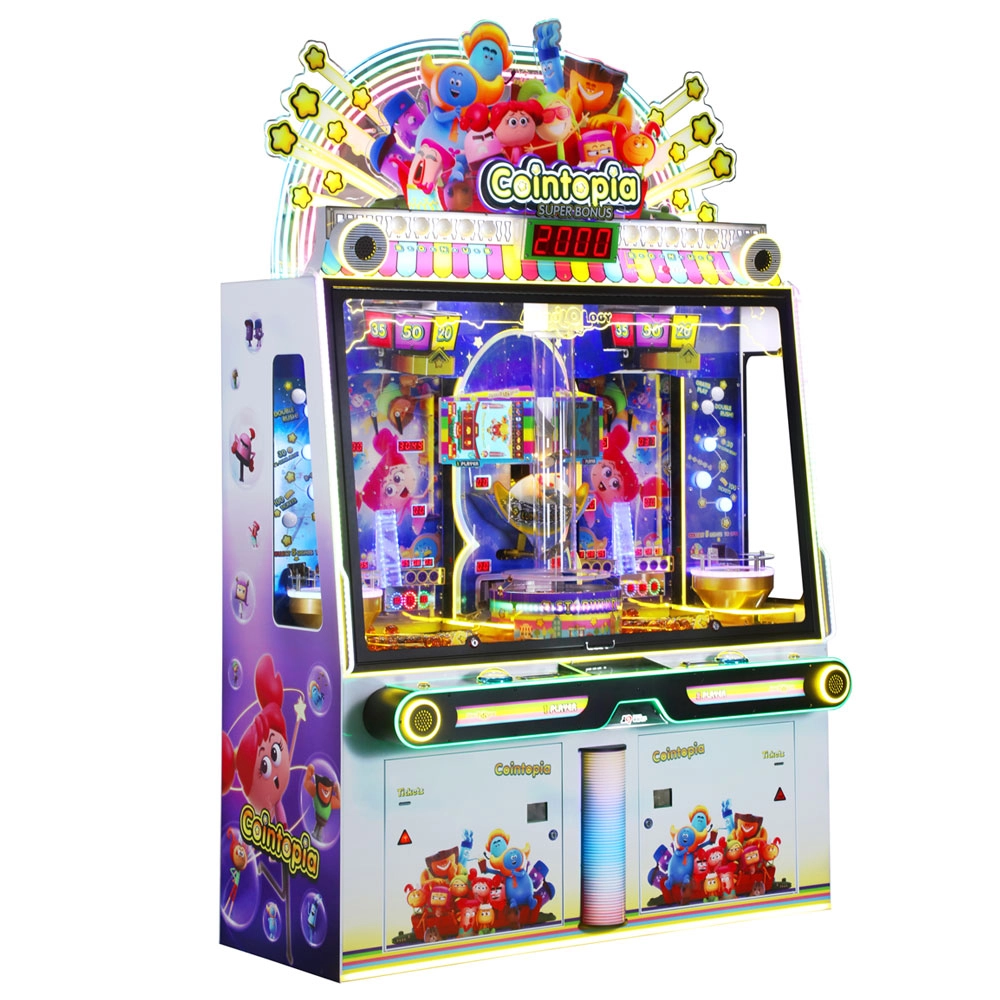
COINTOPIA by PALM FUN is an exciting redemption game machine where players enjoy fun with zodiac buddies in a utopia setting. This ticket redemption machine offers engaging gameplay and rewarding experiences, perfect for family entertainment centers and arcades seeking top-quality redemption games.
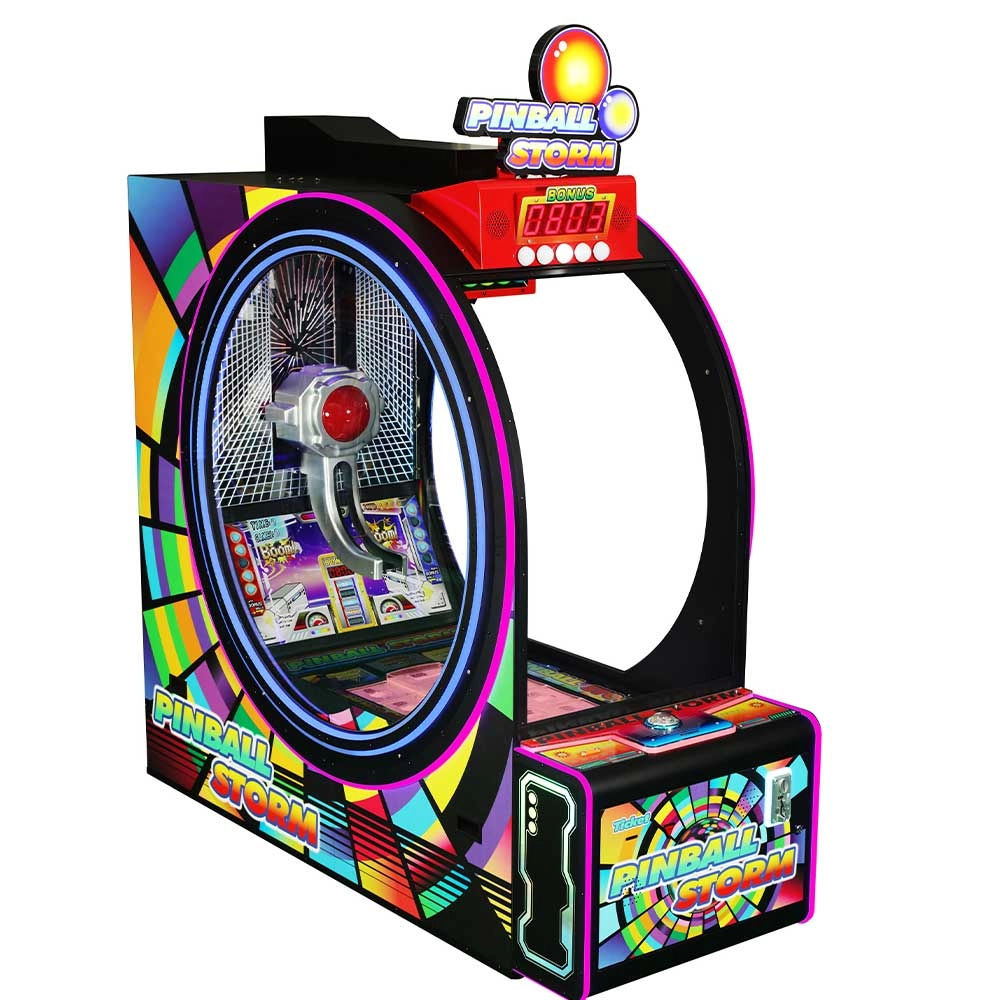
Classic pinball reimagined! Hit, bounce, and win prizes. Trigger the Pinball Storm for an epic multi-ball blast!

Copyright © 2026 PALM FUN All Rights Reserved. | Privacy Policy • Terms and Conditions | Sitemap
palmfunarcade
Palm Fun Arcade Game
Whatsapp: +8618126837443
PalmFun Arcade
PalmFun_Arcade
PALM FUN Redemption Machine