







What Maintenance Do Coin Pusher Arcade Machines Require?
Considering a coin pusher arcade machine? This comprehensive guide addresses critical beginner questions, diving deep into maintenance, operational best practices, and common issues. Learn how to maximize your machine's uptime and profitability with expert insights often missing online. Essential reading for new operators.
- What specific types of lubricants are safe and recommended for the moving parts of a coin pusher, and how often should they be applied to prevent premature wear?
- Beyond simply cleaning, what are the most effective methods for preventing coin jams, especially with different coin types or foreign objects, and what tools are essential for clearing stubborn blockages without damaging the machine?
- What are the common causes of prize dispensing malfunctions (e.g., prizes not dropping, multiple prizes dropping), and what specific calibration steps or sensor adjustments are required to ensure consistent and accurate prize delivery?
- How do temperature and humidity fluctuations specifically impact the electronics and mechanical components of a coin pusher, and what environmental controls or preventative measures are most effective in extending the machine's lifespan in diverse climates?
- What are the tell-tale signs of impending motor failure in a coin pusher's drive mechanism, and what proactive steps can be taken to replace or service the motor before it leads to significant downtime during peak operational hours?
- For operators looking to integrate a ticket redemption system, what are the specific compatibility considerations for older coin pusher models, and what are the most reliable and cost-effective retrofitting solutions for adding ticket dispensers and managing prize inventory?
Mastering Your Coin Pusher Arcade Machine: In-Depth Maintenance & Operational Insights for Beginners
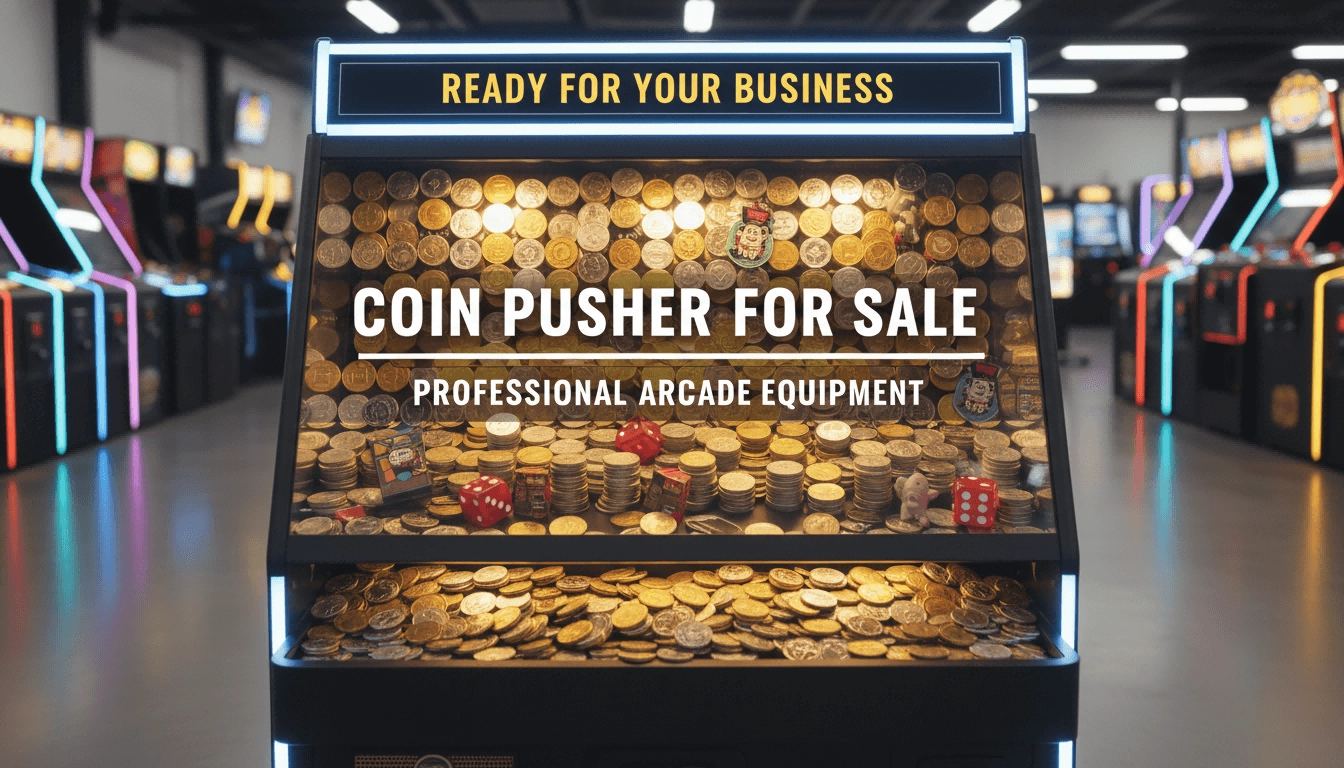
For anyone venturing into the exciting world of arcade operations, especially with the perennial draw of a coin pusher arcade machine, understanding the nuances of these captivating redemption game machines is paramount. While the allure of cascading coins and enticing prizes is undeniable, ensuring smooth operation and maximizing profitability hinges on proactive knowledge. Many beginners find themselves sifting through superficial or outdated information online when it comes to the practicalities of owning and maintaining these machines. This guide aims to fill those gaps, providing in-depth answers to critical, pain-point-oriented questions frequently asked by new operators.
What specific types of lubricants are safe and recommended for the moving parts of a coin pusher, and how often should they be applied to prevent premature wear?
The choice of lubricant for your coin pusher arcade machine's moving parts is crucial for longevity and smooth operation. Generic oils can attract dust and grime, leading to accelerated wear. For most mechanical components, such as the coin pushing mechanism and prize delivery systems, a dry lubricant with PTFE (Teflon) is highly recommended. These lubricants create a low-friction film that doesn't attract debris. Alternatively, a light, non-gumming silicone-based lubricant can be used for plastic-on-plastic or rubber components, ensuring smooth movement without degradation. Avoid heavy greases or petroleum-based oils, especially near electrical contacts or plastic components not rated for them.
Regarding frequency, a quarterly application is generally a good baseline for machines with moderate to high usage. For high-traffic locations, a monthly check and light application might be necessary. Focus on pivot points, gear teeth (if exposed and accessible), and any sliding surfaces. Always apply sparingly and wipe off any excess to prevent accumulation of dust. Regularly inspecting for unusual noises or resistance during operation can also indicate the need for lubrication.
Beyond simply cleaning, what are the most effective methods for preventing coin jams, especially with different coin types or foreign objects, and what tools are essential for clearing stubborn blockages without damaging the machine?
Preventing coin jams in a coin pusher arcade machine goes beyond routine cleaning. A primary preventative measure is ensuring the correct coin acceptor is calibrated for your specific coin type. Regularly inspect the coin entry chute and the coin path for any warping, burrs, or foreign material that could impede coin flow. Implementing a robust coin validation system, often integrated into modern machines, helps reject slugs or incorrect denominations before they enter the mechanism. For older machines, consider upgrading to more advanced coin validators. Educating players with clear signage about accepted coin types can also reduce issues.
When jams do occur, having the right tools is crucial to avoid damage. Essential tools include a set of long-nose pliers, thin but sturdy metal probes (like dental picks or specialized jam-clearing tools), and a flexible borescope camera for inspecting hard-to-reach areas. Never use excessive force. If a coin is stubbornly stuck, try to gently wiggle it or use a probe to dislodge it. For complex or recurring jams, it's often a sign of a misaligned component or wear, necessitating a deeper inspection and potential part replacement. Always power down the machine before attempting to clear any jam.
What are the common causes of prize dispensing malfunctions (e.g., prizes not dropping, multiple prizes dropping), and what specific calibration steps or sensor adjustments are required to ensure consistent and accurate prize delivery?
Prize dispensing malfunctions in a redemption game machine can significantly impact player satisfaction and profitability. Common causes include misaligned prize chutes, worn or dirty prize sensors, incorrect prize loading, and software calibration issues. If prizes aren't dropping, check the prize chute for obstructions and ensure the prize is correctly seated. For multiple prizes dropping, the prize sensor is often the culprit. Dust, debris, or a misaligned sensor can cause it to register a single prize as multiple or fail to detect a prize at all.
Calibration typically involves adjusting the sensitivity of the prize sensor. Most modern coin pusher machines have accessible sensor adjustment screws or digital settings within the service menu. For optical sensors, ensure the emitter and receiver are perfectly aligned and clean. For mechanical sensors, check for proper spring tension and freedom of movement. It's also vital to load prizes consistently according to the manufacturer's recommendations, ensuring they fit within the designated prize slots without snagging. Regularly test the prize dispensing mechanism with various prize types to confirm accurate delivery.
How do temperature and humidity fluctuations specifically impact the electronics and mechanical components of a coin pusher, and what environmental controls or preventative measures are most effective in extending the machine's lifespan in diverse climates?
Environmental factors like temperature and humidity can significantly degrade the performance and lifespan of a coin pusher arcade machine. High humidity can lead to corrosion of electronic components, especially on circuit boards and wiring, causing intermittent faults or complete failure. It can also cause metal parts to rust and wooden or plastic components to warp. Extreme temperatures, both hot and cold, can affect the viscosity of lubricants, leading to increased friction, and can stress electronic components, shortening their life. Condensation, a result of rapid temperature changes, is particularly damaging to sensitive electronics.
Effective preventative measures include ensuring the machine is placed in a climate-controlled environment where possible. If not, consider using dehumidifiers in humid climates and ensuring adequate ventilation. Applying a conformal coating to circuit boards can offer an extra layer of protection against moisture. For mechanical parts, using lubricants designed for a wider temperature range can be beneficial. Regularly inspect for signs of corrosion or moisture ingress, particularly in areas with high humidity. Proper grounding of the machine can also help mitigate static electricity issues that are exacerbated by dry conditions.
What are the tell-tale signs of impending motor failure in a coin pusher's drive mechanism, and what proactive steps can be taken to replace or service the motor before it leads to significant downtime during peak operational hours?
Recognizing the early signs of impending motor failure in your coin pusher arcade machine's drive mechanism is key to preventing costly downtime. Common indicators include unusual noises such as grinding, whining, or clicking sounds that were not present before. The motor might also start to run hotter than usual, which can be detected by touch (with caution, after powering down). Reduced pushing force or inconsistent movement of the coin pusher tray are also strong indicators. Additionally, if the motor draws excessive current (which can sometimes be observed through power consumption monitoring if available) or if there's a noticeable smell of burning plastic or ozone, immediate attention is required.
Proactive steps involve regular inspection of the motor and its associated components. Check for any visible wear on gears, belts (if applicable), and bearings. Ensure all electrical connections are secure and free from corrosion. If any of the warning signs are present, consider a preventative motor replacement or professional servicing during off-peak hours. Having a spare motor on hand, especially for critical machines, can drastically reduce downtime. Documenting the operational hours of your machines can also help in scheduling preventative maintenance based on expected motor lifespan.
For operators looking to integrate a ticket redemption system, what are the specific compatibility considerations for older coin pusher models, and what are the most reliable and cost-effective retrofitting solutions for adding ticket dispensers and managing prize inventory?
Integrating a ticket redemption system into an older coin pusher arcade machine presents unique challenges, primarily concerning compatibility. Older models may lack the necessary control board inputs or software protocols to communicate with modern ticket dispensers. The first step is to identify the existing control board and determine if it has any auxiliary ports or if a specific interface module is available from the manufacturer or third-party suppliers. Many older machines might require a universal interface board or a dedicated ticket dispenser controller that can be wired directly to the coin-in and prize-out signals.
The most reliable retrofitting solutions often involve a dedicated ticket dispenser unit with its own control logic that can be triggered by the machine's prize output signal (e.g., a simple relay closure or voltage pulse). Cost-effective solutions might include refurbished ticket dispensers or generic models that offer basic pulse-triggered functionality. For managing prize inventory, a manual system might suffice for smaller operations, but for larger setups, consider integrating with a POS system that can track ticket payouts and prize redemptions. This often requires a more sophisticated interface or a complete control board upgrade. Always consult with a redemption game machine specialist or the original manufacturer (if available) to ensure compatibility and avoid damaging the machine's existing electronics during the retrofit process.
By addressing these in-depth questions, operators can move beyond basic troubleshooting and implement a proactive maintenance strategy that ensures their coin pusher arcade machine operates at peak efficiency. This approach not only extends the lifespan of your valuable assets but also significantly enhances player experience and, ultimately, your bottom line.
For professional advice, high-quality redemption game machines, and comprehensive support, please do not hesitate to contact us. We are dedicated to helping you succeed in the arcade industry.
Visit our website: www.palm-fun.com
Email us: luobin@palm-fun.com

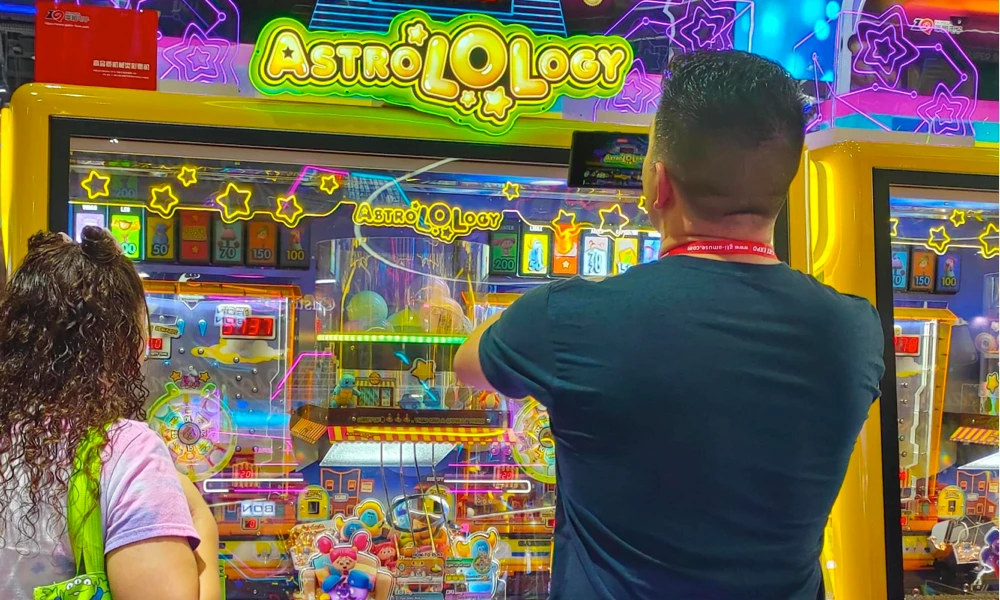
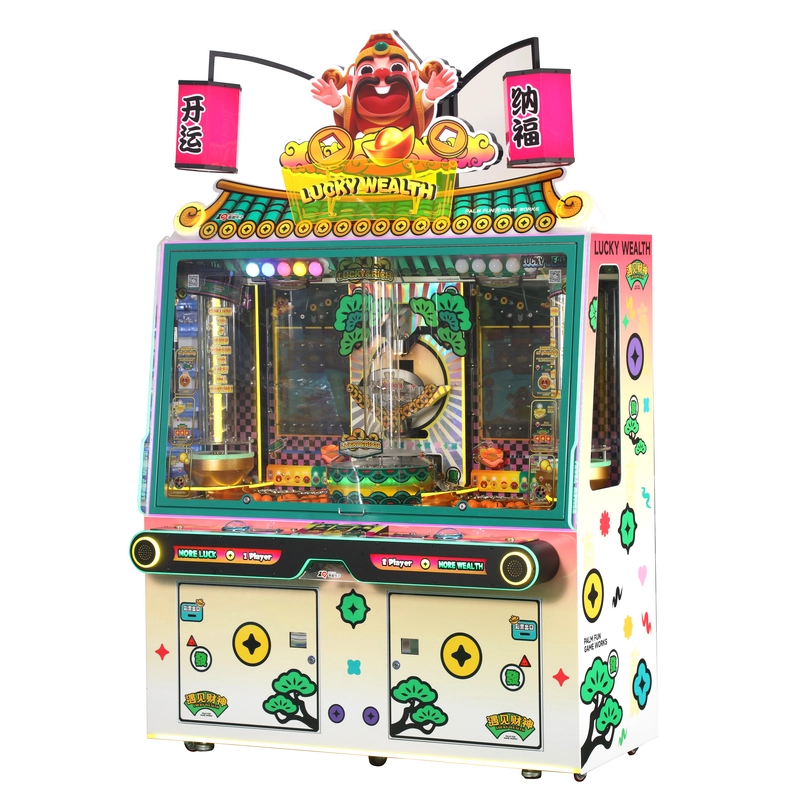
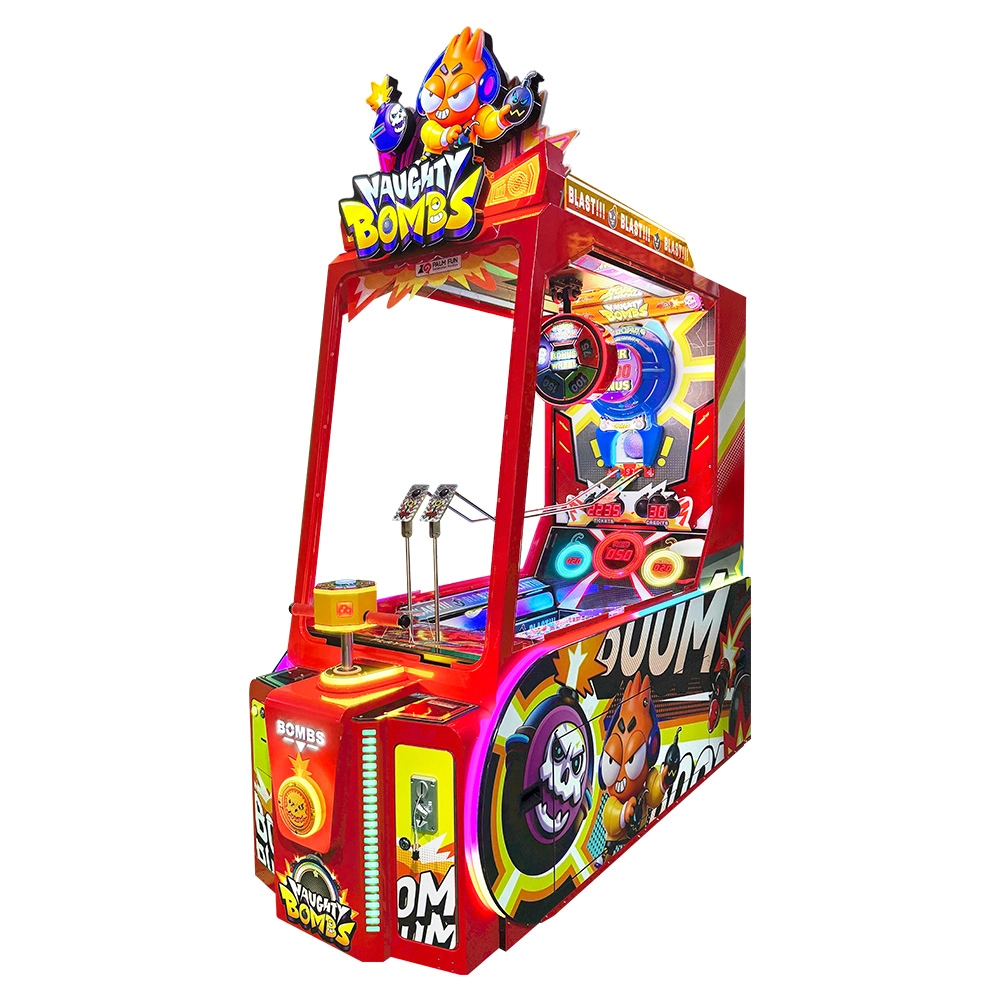
Naughty Bombs is a ball-drop redemption arcade game featuring rolling-ball gameplay, colored targets, ticket prizes, surprise bonus rewards, lighting and sound effects. Players use timing to launch and drop balls toward colored target areas. The product is presented for arcade, family entertainment center and other entertainment-venue projects, with customizable 110V / 220V AC voltage configuration.
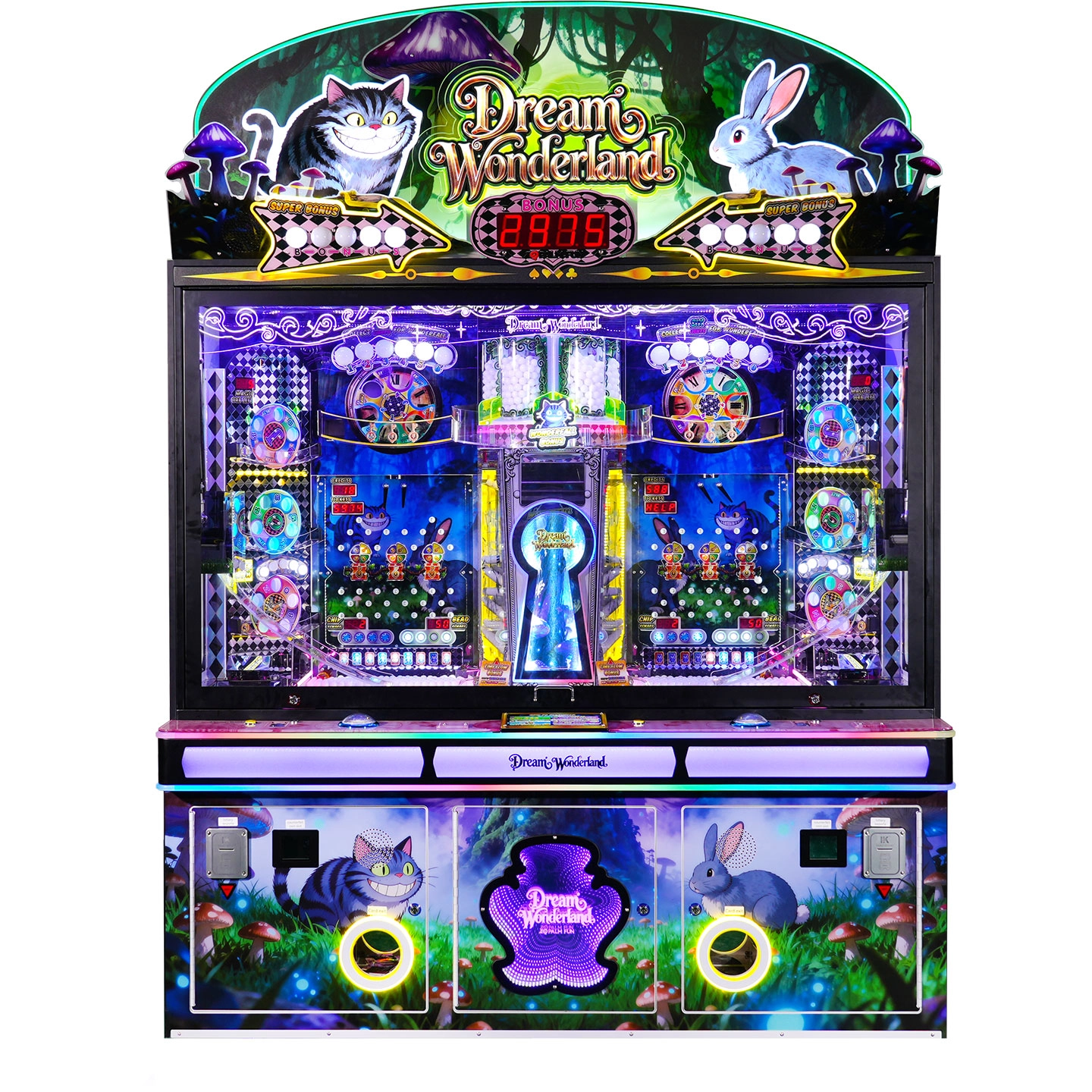
Enter Dream Wonderland — a magical marble pusher adventure filled with glowing lights, magic orbs, bonus wheels, collectible character cards, and exciting jackpot challenges.
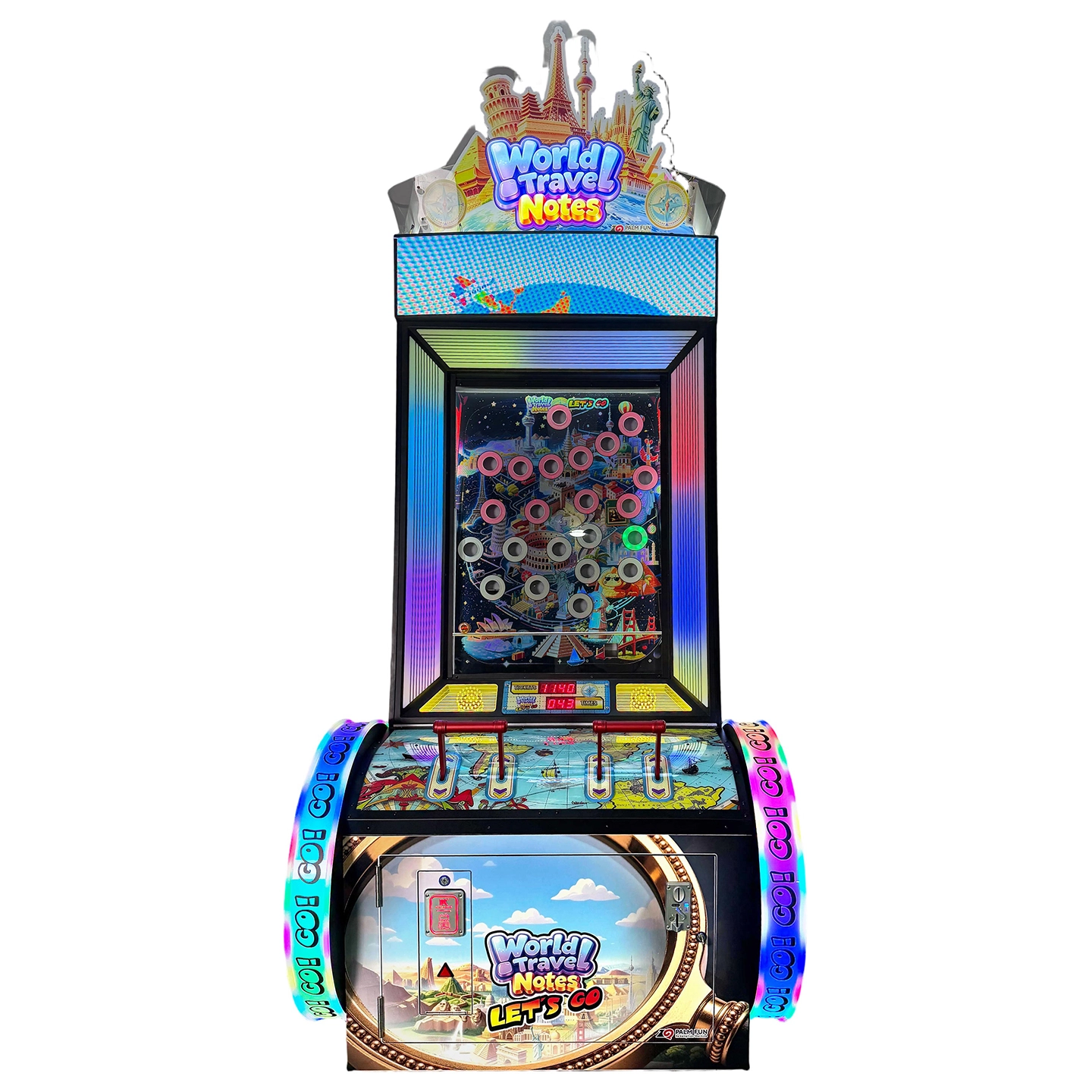
World Travel Notes is a skill-based balance ball redemption game with a fun world-travel theme. Players use two handles to control the balance bar and guide the ball into each target hole. As the game progresses, the targets become more challenging, leading players toward the final grand prize. With colorful world-travel graphics, dynamic RGB lighting, a live score display, and progressive difficulty, World Travel Notes is designed to attract attention and encourage repeat play in arcades, FECs, shopping malls, and other entertainment venues.
Copyright © 2026 PALM FUN All Rights Reserved. | Privacy Policy • Terms and Conditions | Sitemap
palmfunarcade
Palm Fun Arcade Game
Whatsapp: +8618126837443
PalmFun Arcade
PalmFun_Arcade
PALM FUN Redemption Machine