








How to Choose Arcade Games for Every Age Group
A successful family entertainment center needs more than a room full of machines. Children, teenagers, adults, and families visit with different expectations—and a well-planned game mix gives each group a reason to play, stay, and return.
- How to Choose Arcade Games for Every Age Group
- 1. Ages 3–7: Make the Game Easy to Start
- 2. Ages 8–12: Reward Practice and Progress
- 3. Ages 13–17: Build Around Social Play
- 4. Ages 18–34: Make the Game Part of the Occasion
- 5. Ages 35+ and Multigenerational Families: Let Everyone Join In
- At a Glance: Matching Arcade Games to Your Audience
- Turn Audience Insights into a Better Game Mix
- Planning or Updating Your Arcade?
How to Choose Arcade Games for Every Age Group
A successful family entertainment center needs more than a room full of machines. Children, teenagers, adults, and families visit with different expectations. A well-planned game mix gives each group a reason to play, stay longer, and return.
When operators are asked who their machines are for, “everyone” is a common answer. However, a game that delights a young child may not interest a teenager or an adult group. A floor can be full of cabinets and still miss the needs of the people walking past them.
The key insight is simple: people of every age enjoy play, but they are motivated by different things. Younger children often need simple controls and quick rewards. School-age players want to improve their skills. Teenagers look for social experiences and competition, while adults may value the overall atmosphere as much as the game itself.
For operators planning a new venue or refreshing an existing one, understanding these motivations can help guide machine selection, layout, and payment options.
1. Ages 3–7: Make the Game Easy to Start
For young children, the best experience is easy to understand, quick to begin, and comfortable to share with a caregiver. Parents are often making the purchase decision, so ease of use and visibility matter to the whole family.
“Ease of use is important for young kids, and a frictionless experience carries through to the overall guest experience as well. If you have a VR experience where you need to fit a headset and calibrate it, that can become too difficult for a younger audience.”— Mario Centola, EVP & COO International, Chuck E. Cheese
Headsets and complicated setup can create barriers for younger guests. Simple physical games, interactive lights, and easy-to-follow redemption games can be more approachable when they suit the venue and the child’s age.
“Technology should always adapt to the needs of children — not the other way around.”— Sophie Jungnickel, Pixel Games
Clear visuals and familiar actions help children understand what to do without lengthy instructions. The aim is to make the first step intuitive while keeping the experience engaging.
2. Ages 8–12: Reward Practice and Progress
As children grow, many become more interested in skill, friendly competition, and improving their own scores. Games that make progress visible can encourage repeat plays without making every round feel high-pressure.
“Children compete against the wall, the clock or their own previous attempts, which encourages perseverance and self-improvement.”— Hannah Tipler, Clip ’n Climb
Rolling-ball games, basketball-style games, target games, and other skill-based attractions can suit this age group when the rules are easy to grasp and the scoring is clear. Two features are particularly useful:
- Fast, visible feedback. Scores, targets, animations, and concise rounds help players understand how they are doing and what to try next.
- Room to improve. Multiple attempts or opportunities to recover can keep one mistake from ending the fun too early.
These games can also become a small spectacle: parents cheer, siblings compare scores, and friends take turns. That social energy can make a well-placed machine attractive to both players and spectators.
3. Ages 13–17: Build Around Social Play
Teenagers can be an overlooked audience in venues that focus mainly on small children or adult nightlife. They often want a place to meet friends, compete, and share an experience without feeling that the attraction is designed only for younger kids.
“They are looking for experiences rather than possessions, and they want attractions that combine competition, technology and social interaction.”— Mitchell Robertson, Delta Strike USA
When choosing games for teenagers, consider three priorities:
- Play as a group. Multiplayer, head-to-head, and team formats can give a group of friends a reason to choose one attraction together.
- Make competition visible. Leaderboards, personal bests, and short rounds can create natural rematches. Shareable moments may also encourage guests to talk about the venue.
- Keep rewards relevant. For redemption venues, consider rotating the prize mix and offering items that fit your local audience and budget. Do not assume the same prize range appeals equally to every teenager.
Trend-chasing can be expensive. A more durable approach is to build the game mix around lasting motivations such as social connection, competition, discovery, and shared experiences.
4. Ages 18–34: Make the Game Part of the Occasion
In game bars and adult-focused family entertainment centers, the overall visit matters. Guests may be looking for a night out with friends, and games work best when they complement the venue’s hospitality rather than compete with it.
“Operators have taken activities people already understand, such as darts, shuffleboard, mini-golf and arcade games, and packaged them within genuinely good hospitality environments. Customers are no longer choosing between going for a drink and doing an activity. They can have both in the same venue, without the experience feeling childish or overly serious.”— Matt Daly, Head of Partnerships, Conductr
This changes how operators should evaluate equipment. In addition to the game itself, consider how it supports group visits, venue flow, and repeat business.
- Plan for groups. Multiplayer machines can keep friends engaged together and may reduce the need to split a group across separate games.
- Give skill a role. Games with understandable rules and meaningful player control can make rematches feel rewarding.
- Match the interior. Consider cabinet footprint, lighting, sound level, and appearance as part of the overall design.
- Keep play convenient. If the venue uses cashless payment, confirm compatibility with the operator’s card or payment system before ordering.
Technology should make the visit smoother. Payment, scoring, and game flow should be easy to understand and should not interrupt the social experience.
5. Ages 35+ and Multigenerational Families: Let Everyone Join In
Family groups can include several ages and skill levels at once. The opportunity is to choose games that let people participate together, rather than leaving adults to wait on the sidelines.
“These activities are multi-generational and easy to understand. There is no complicated learning curve. Families like experiences where everyone can participate, from kids to parents, and where the fun is shared. They're also naturally watchable, which adds energy to a venue.”— Rick Johnson, Amusement Products
Markus Beyr of Attraktion! makes a related point: attractions should not treat parents only as supervisors.
“Parents should not feel they are waiting at the side until the children are finished. The strongest experiences allow adults and children to participate together, but at different levels. If the whole family is engaged, dwell time increases, memories are stronger and the attraction becomes easier to recommend.”— Markus Beyr, Attraktion!
Games with simple core actions and optional skill depth can work well for mixed-age groups. A younger child may enjoy the basic action, while an older sibling or adult tries to improve the score or trigger a bonus. The experience is easy to enter, but it still gives experienced players something to master.
At a Glance: Matching Arcade Games to Your Audience
| Audience | Common Motivation | Machine Selection Tips |
|---|---|---|
| Ages 3–7 | Simple, reassuring fun | Easy controls, clear feedback, short rounds, and caregiver-friendly positioning |
| Ages 8–12 | Skill, progress, and friendly competition | Visible scores, responsive feedback, and opportunities to improve |
| Ages 13–17 | Social play and shared challenges | Multiplayer formats, leaderboards, replay value, and relevant rewards |
| Ages 18–34 | Group entertainment and a complete night out | Group capacity, venue-fit design, and compatible payment options |
| Ages 35+ and families | Shared experiences across skill levels | Easy-to-understand gameplay, flexible participation, and space for groups |
Turn Audience Insights into a Better Game Mix
Two practical considerations cut across age groups. First, configuration matters. Where a machine supports adjustable difficulty, payout, or game settings, operators can evaluate those options against their audience, local requirements, and business model. Always confirm the available settings for the specific model.
Second, payment compatibility should be planned early. Some venues use coins or tokens, while others rely on cards or cashless systems. Confirm the required payment interface before ordering so that the machine fits the venue’s existing setup.
There is no single cabinet that will be perfect for every guest. A stronger approach is to build a complementary mix: simple games for younger children, skill-based options for school-age players, social multiplayer experiences for teens and adults, and attractions that families can enjoy together.
Planning or Updating Your Arcade?
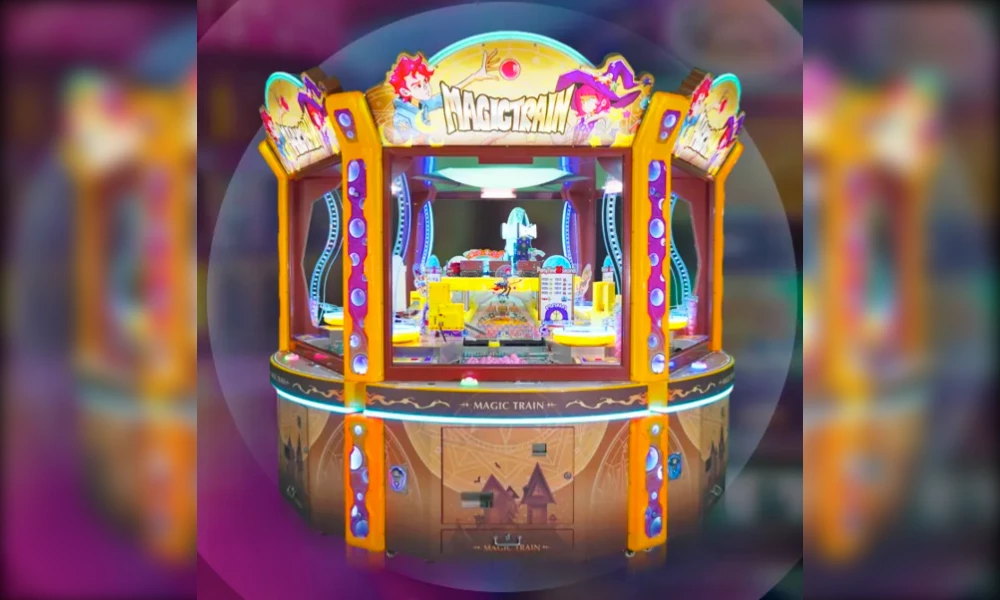
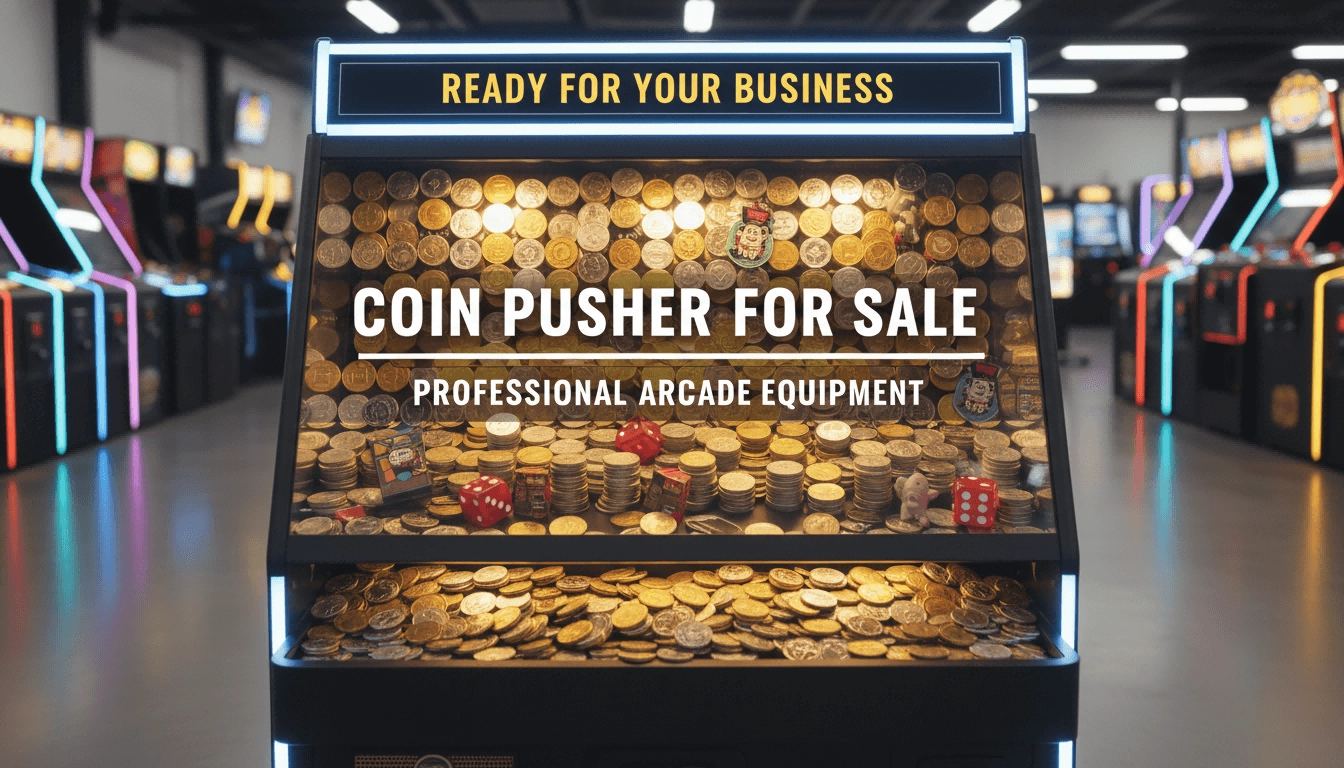
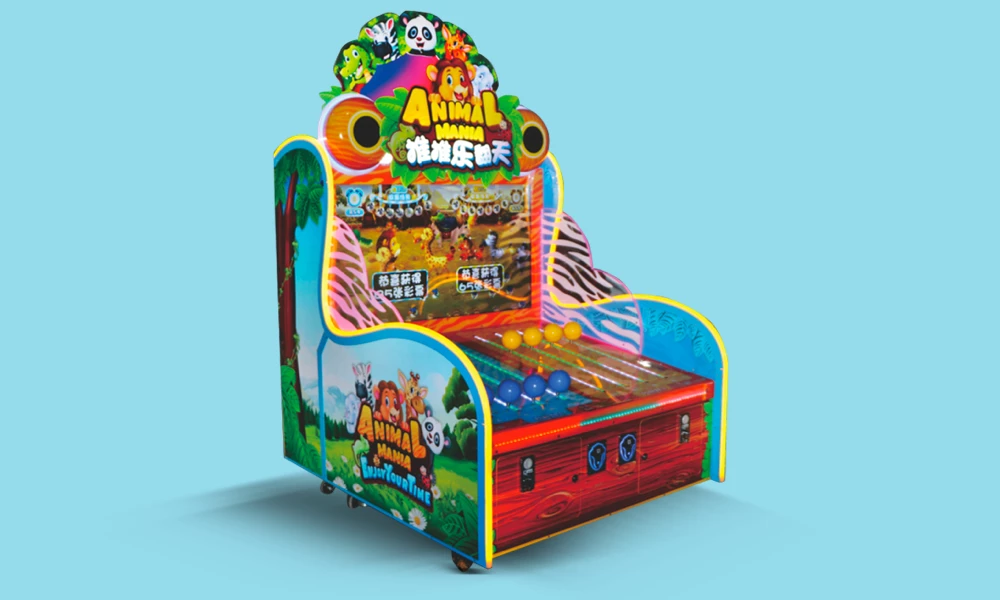
Palm Fun Electronics manufactures redemption arcade machines, including coin pushers, ball-drop games, and skill games. If you are planning a new venue or refreshing your game mix, share your target audience, venue type, and payment requirements with our team. We can help you explore suitable models and configuration options.
Explore our products: Visit Palm Fun Electronics or contact our team through the website to discuss your project.
About Palm Fun Electronics: Palm Fun Electronics is a Guangzhou-based manufacturer of redemption arcade machines, including coin pushers, ball-drop games, and skill games. Visit www.palm-fun.com to learn more.

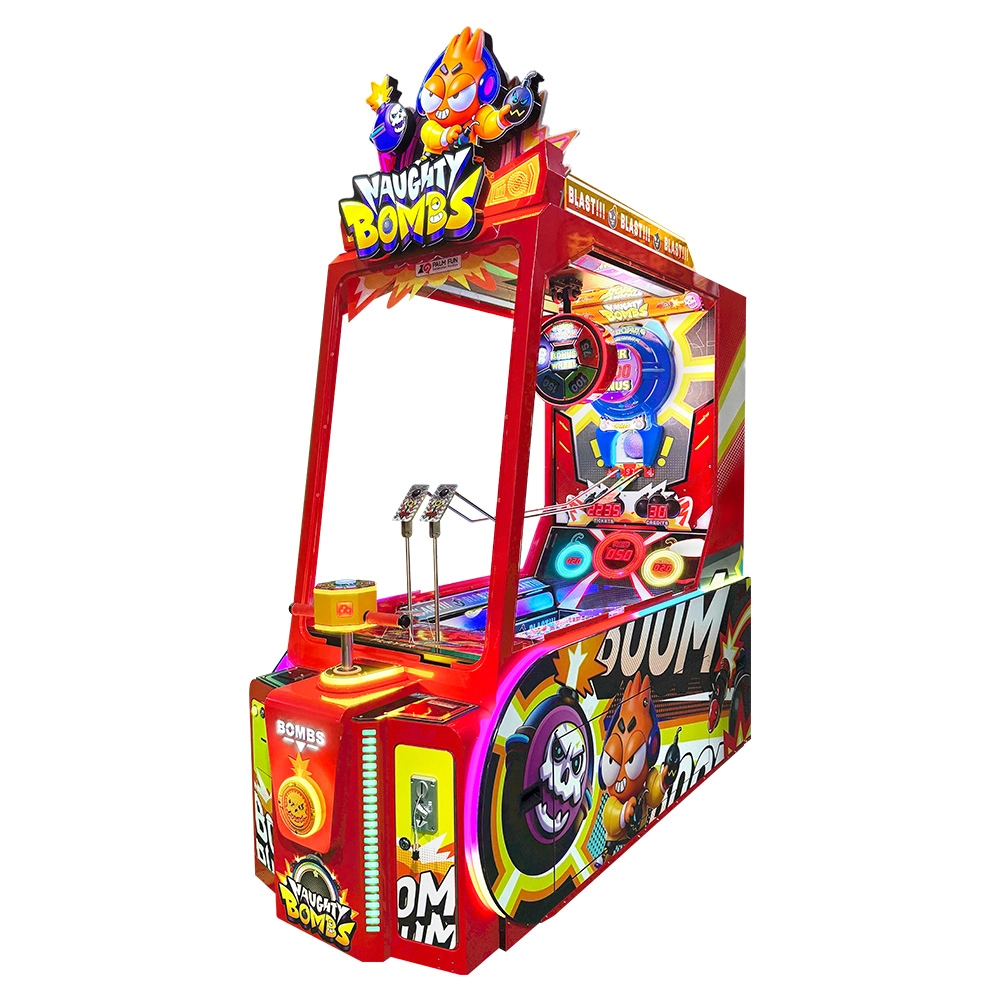
Naughty Bombs is a ball-drop redemption arcade game featuring rolling-ball gameplay, colored targets, ticket prizes, surprise bonus rewards, lighting and sound effects. Players use timing to launch and drop balls toward colored target areas. The product is presented for arcade, family entertainment center and other entertainment-venue projects, with customizable 110V / 220V AC voltage configuration.
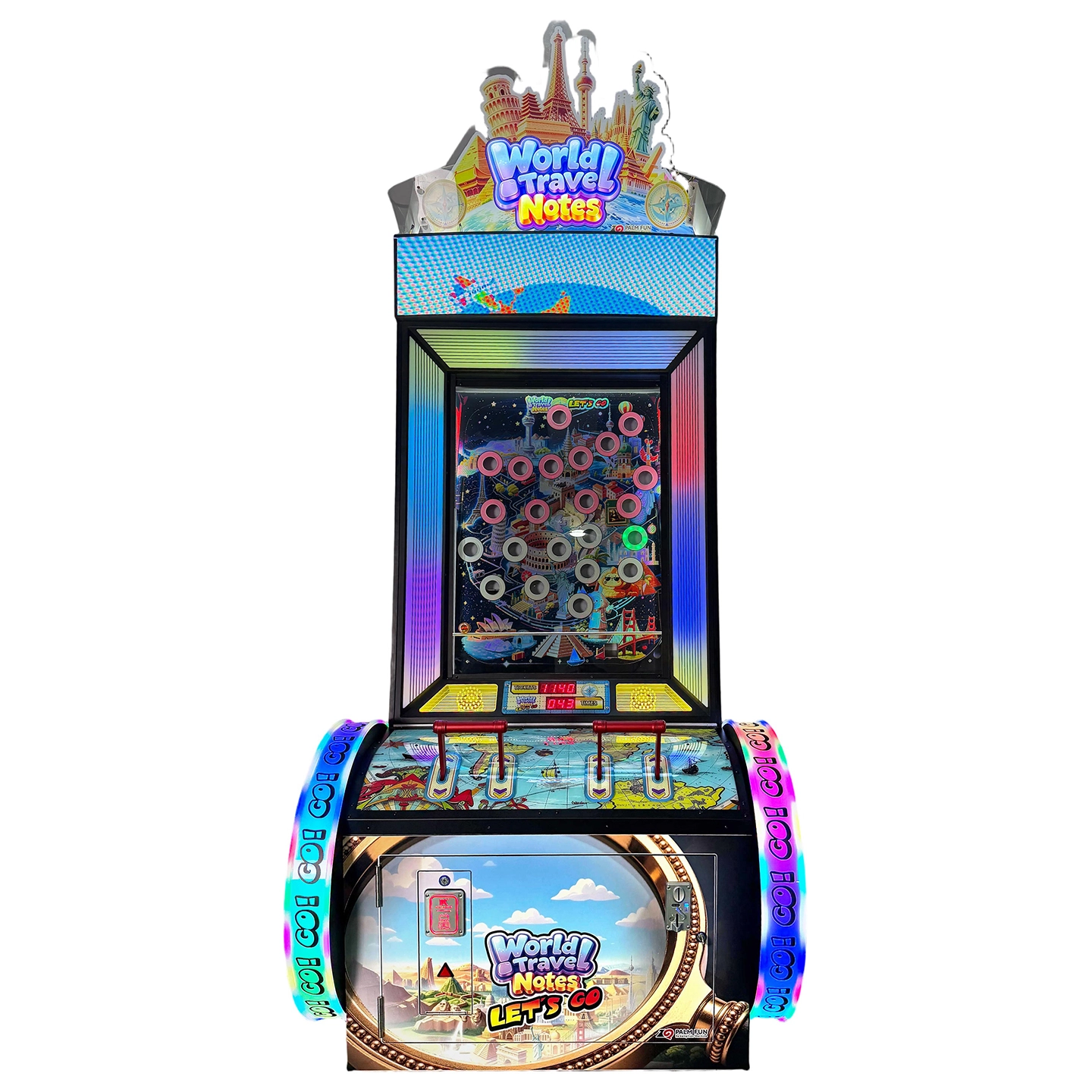
World Travel Notes is a skill-based balance ball redemption game with a fun world-travel theme. Players use two handles to control the balance bar and guide the ball into each target hole. As the game progresses, the targets become more challenging, leading players toward the final grand prize. With colorful world-travel graphics, dynamic RGB lighting, a live score display, and progressive difficulty, World Travel Notes is designed to attract attention and encourage repeat play in arcades, FECs, shopping malls, and other entertainment venues.
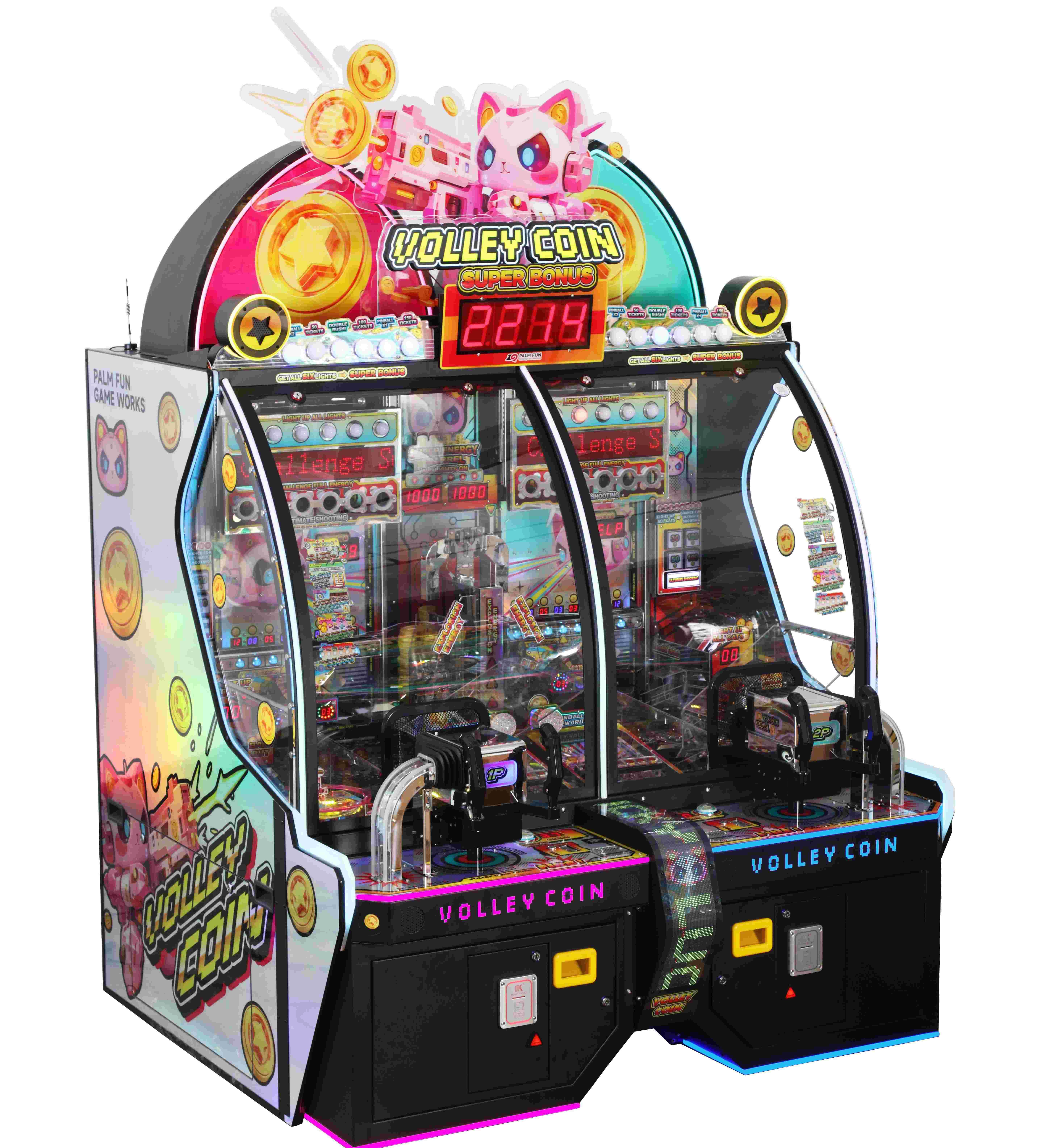
Volley Coin is an innovative arcade ticket redemption machine developed by Palm Fun Electronics. Combining the excitement of a fast-paced token shooter game with the proven earning power of a traditional coin pusher machine, Volley Coin offers a fresh and engaging gameplay experience that appeals to players of all ages.
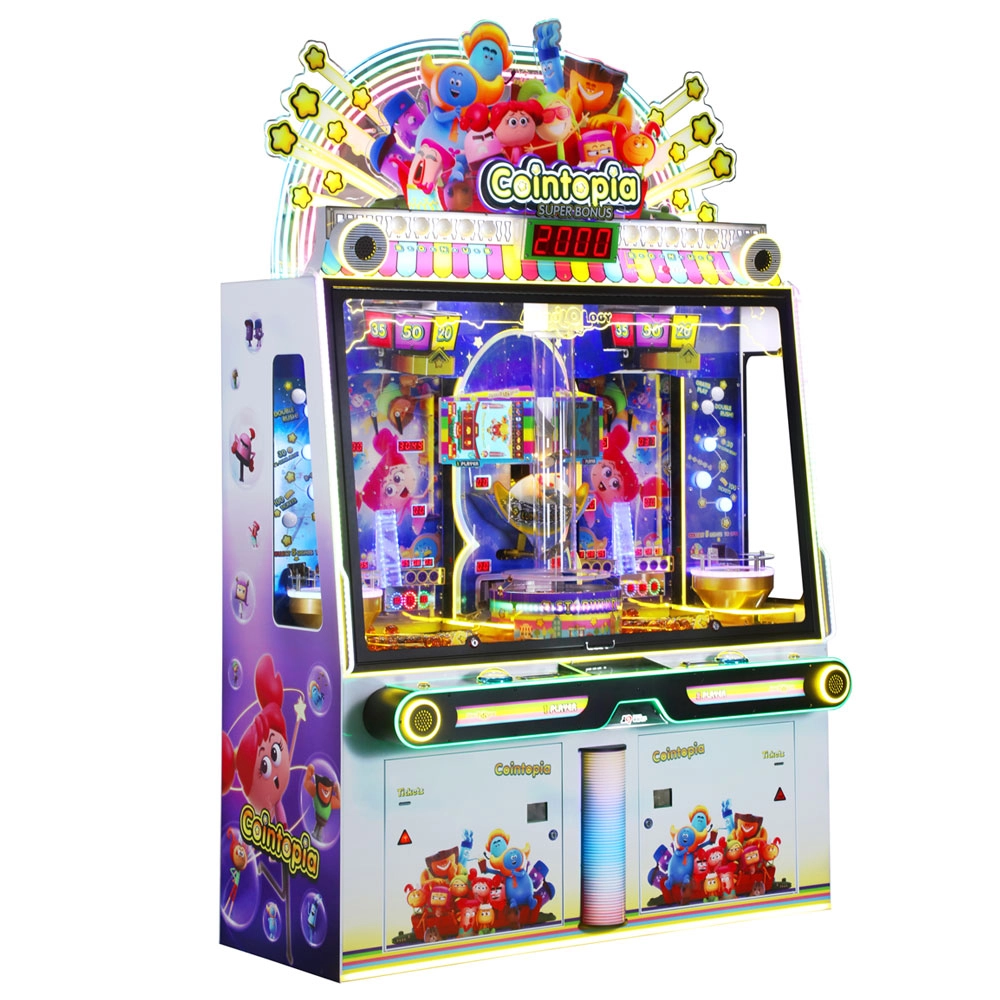
COINTOPIA by PALM FUN is an exciting redemption game machine where players enjoy fun with zodiac buddies in a utopia setting. This ticket redemption machine offers engaging gameplay and rewarding experiences, perfect for family entertainment centers and arcades seeking top-quality redemption games.

Copyright © 2026 PALM FUN All Rights Reserved. | Privacy Policy • Terms and Conditions | Sitemap
palmfunarcade
Palm Fun Arcade Game
Whatsapp: +8618126837443
PalmFun Arcade
PalmFun_Arcade
PALM FUN Redemption Machine