


Dream Wonderland Marble Pusher vs Traditional Coin Pushers: FEC Selection Criteria
A practical FEC procurement comparison of Dream Wonderland marble pusher and traditional coin-pusher formats, examining guest interaction, bonus verification, payment integration, service and acceptance testing.
- 1. Define the Comparison Before Selecting a Cabinet
- 2. Identify What the Player Controls and Observes
- 3. Compare Immediate Satisfaction with Layered Progression
- 4. Evaluate Bonus Rules Without Confusing Triggers and Awards
- 5. Assess the Space, Not Only the Cabinet Footprint
- 6. Match the Game to Guest Traffic and Venue Position
- 7. Verify Payment and Ticket Integration Independently
- 8. Calculate Operating Costs from Evidence Rather Than Claims
- Compare like-for-like operating periods
- 9. Set a Realistic Daily Service and Training Routine
- 10. Use a Structured Factory and On-Site Acceptance Test
- 11. Compare Two Real PALM FUN Machines Without Overpromising
- 12. Apply a Decision Rule that Fits Your FEC
- Marble Pusher vs Coin Pusher FAQ
QUICK ANSWER
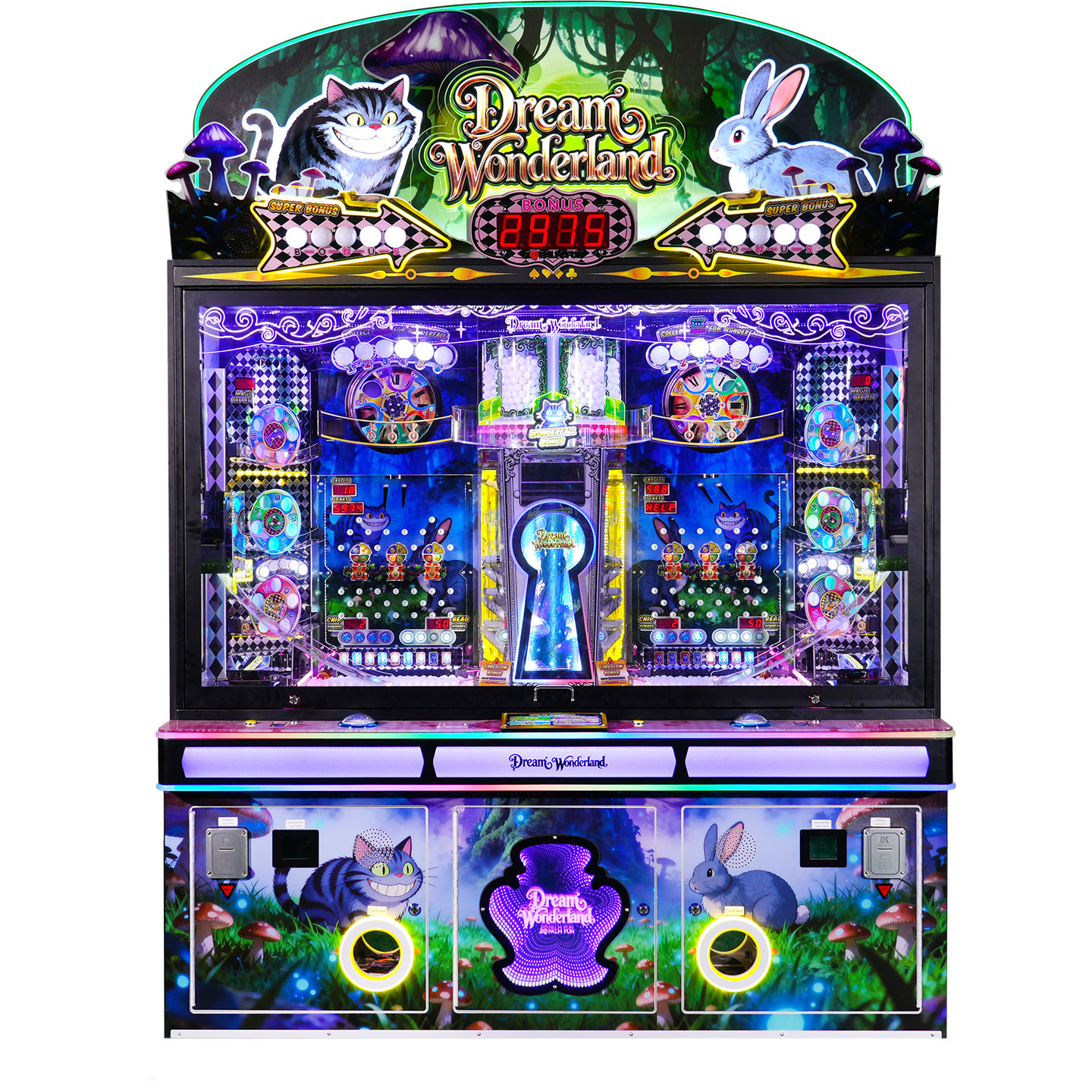
Dream Wonderland is a marble pusher with added wheel, key and character-card objectives; a traditional coin pusher is primarily evaluated around visible coin movement and its particular payout rules. For an FEC purchase, compare the delivered control method, space, reward-event auditability, guest explanation and service access rather than assuming either format produces higher revenue.
1. Define the Comparison Before Selecting a Cabinet
A redemption arcade buyer often encounters marble pushers and coin pushers in the same product shortlist. Both use the excitement of physical objects moving toward a result, yet the player's immediate action, the feedback on the playfield and the reward structure may be different. A purchasing decision should begin with the actual experience offered to visitors, not a category name alone. The most reliable comparison identifies what guests do, what the machine records and which elements the venue must maintain after installation.
For this assessment, Dream Wonderland is the specific PALM FUN marble pusher with a multi-level bonus wheel, key collection, collectible character cards and other themed objectives. Traditional coin pusher refers to a general mechanical coin-moving format rather than one universal specification. Coin pushers vary in coin feed methods, ticket delivery and bonus features, and a named product must be inspected on its own merits. PALM FUN's Burger Mania is an example of a coin pusher product, but it also adds interactive features beyond a purely basic mechanical cabinet.
2. Identify What the Player Controls and Observes
The first meaningful difference lies in the player-facing interaction. A marble pusher uses the movement of marbles as its physical visual language, while a coin pusher centers attention on coins and the action of the moving shelf or pushing mechanism. The exact operating sequence depends on the cabinet and should be demonstrated rather than inferred. Operators should test how credit begins, which control initiates the visible movement, how feedback appears and when a completed event is recorded.
Do not confuse payment with the objects used in gameplay. A coin pusher may accept a payment or credit interface that is separate from the coins moving inside the machine, while a marble pusher is not necessarily restricted to one payment option. Treat accepted cards, tokens, bill acceptors, contactless readers and ticket interfaces as independently verified configuration requirements. A buyer comparing two candidates should ask each supplier to show one uninterrupted demonstration, from a registered credit through an actual game event and an auditable reward output.
3. Compare Immediate Satisfaction with Layered Progression
Traditional coin-pusher appeal often comes from the immediately understandable relationship between placing a coin, watching the shelf and anticipating a physical drop. New players can follow the motion with relatively little explanation, although any special targets or bonus events still require instructions. Dream Wonderland combines pusher activity with additional progression routes such as keys, a wheel and character cards. Those parallel objectives may create more topics for repeat visits and conversation, but they also increase the burden on signage, staffing and ticket reconciliation.
Neither format should be advertised as universally better for player retention. A visitor who wants a short and visually clear experience may prefer one type of interaction, while a returning player might appreciate more layers to discover. Real repeat-play behavior depends on audience, session costs, cabinet placement and the exact rules offered on site. Evaluate the visitor's comprehension during a supervised trial, then compare observed engagement and questions instead of assuming the number of bonus features determines commercial success.
4. Evaluate Bonus Rules Without Confusing Triggers and Awards
Dream Wonderland requires special care when the operator explains collection outcomes. The published three-key milestone activates a bonus-wheel spin, but a character card is not guaranteed from every spin. A complete set of eight character cards has a separately described 5,000-ticket reward, which should be checked against the ordered configuration. Other progression routes should also be mapped independently. A traditional coin pusher may have its own bonus system, so a fair comparison must examine two actual rule sheets rather than comparing a detailed marble-pusher brochure with an imagined basic coin game.
Document each trigger, possible result and awarded ticket record. Ask the supplier to demonstrate that what appears on the screen matches the output recorded by the venue's ticket or redemption system. Record whether partial progress survives a restart only after testing the specific software version. Avoid calculating expected profit from headline awards, because the listed maximum or collection milestone reveals nothing by itself about the probability or frequency of the outcome. Operators should use measured sessions and real issued tickets to evaluate the economic effect of the complete configuration.
| Decision dimension | Dream Wonderland marble pusher | Traditional coin pusher / model to be checked |
|---|---|---|
| Physical play language | Marble-pushing action with themed visual effects and additional objectives | Coin-moving / shelf-pushing activity; verify actual control and physical movement |
| Player explanation | First action plus clear differentiation of keys, bonus wheel and card collection | Explain coin interaction, any special targets and its model-specific payout rules |
| Progress structure | Multiple published routes require separate acceptance and signage checks | May be straightforward or feature-rich; obtain its actual event map |
| Ticket accountability | Check each possible wheel or collection result and the delivered ticket interface | Check mechanical results, any installed bonuses and the ticket interface |
| Procurement evidence | Written Dream Wonderland configuration, demonstrations and venue compatibility | Actual supplier specification and test evidence; do not infer from category |
| Business conclusion | Potential fit for a venue seeking layered player goals after training and testing | Potential fit for a venue prioritizing more immediate mechanical readability, subject to the actual model |
5. Assess the Space, Not Only the Cabinet Footprint
At the quotation stage, two machines may look similarly sized in a photograph even when their actual delivery requirements differ substantially. Dream Wonderland's dimensions reported in the PALM FUN buyer record are 1,855 mm wide, 1,030 mm deep and 2,500 mm high, with approximate weight of 480 kg. These figures are a starting point for route planning, not a substitute for packed dimensions, crate handling needs or venue clearance. The purchaser should obtain the current packing and electrical information for the precise shipment before authorizing delivery.
Measure more than the space occupied by the cabinet. Map doorways, elevator openings, turning areas, floor loading where relevant, player approach space and maintenance clearance. A coin pusher with a smaller face could still require significant side or rear access, while a large visual cabinet may need more sight-line separation from neighboring games. Confirm whether a proposed row or island layout allows staff to reach equipment without interrupting adjacent players. Request dimensions and a service-access diagram for every candidate instead of using the marble pusher's published dimensions as a proxy for other models.
6. Match the Game to Guest Traffic and Venue Position
Arcade floor layout influences how a cabinet is noticed and whether a first-time guest can understand it. Dream Wonderland's themed artwork, lights and collection indicators can support a high-visibility placement when spectators have room to watch safely. A more conventional mechanical coin pusher may appeal in a row where guests can quickly observe coin movement from the aisle. These are placement hypotheses rather than manufacturer performance guarantees. Operators should test the sight line at the actual location and ensure that the presentation does not obstruct circulation or emergency routes.
Consider who visits the venue and when. A shopping-mall FEC with many brief visits may value instant readability, whereas a destination arcade with repeat customers may be more willing to explain layered objectives. In either setting, sound levels, queue formation, companion seating and access for young players affect whether the game works in practice. Compare how much staff explanation is required per session and whether the machine's visual activity attracts interest without confusing guests. Record the circumstances of an observation before generalizing from a crowded opening-day demonstration.

7. Verify Payment and Ticket Integration Independently
The machine's interaction format does not establish its compatibility with a venue's existing payment and redemption infrastructure. A purchaser may need a specific card reader, pulse interface, token standard, ticket dispenser or management system connection. Those requirements should appear in the purchase specification rather than being described as routine customizations. Ask PALM FUN which interfaces are supported on the exact Dream Wonderland order and obtain equivalent written confirmation for the competing coin-pusher model.
Acceptance testing should follow the entire event chain. A paid credit needs to register as a single authorized session or command, the machine should respond correctly and the venue should be able to reconcile actual tickets issued against the records available from the agreed installation. Test interrupted credits and recovery procedures only with a supervisor and the appropriate approved documentation. If event-level logs are not available, document that limitation rather than presenting assumed telemetry as a product feature. Payment convenience and back-office auditability are distinct purchasing criteria and both must be reviewed.
8. Calculate Operating Costs from Evidence Rather Than Claims
Profitability comparisons need a common accounting period and a common definition of cost. Track collected revenue or validated paid credits, issued tickets, redemption cost per ticket, electricity where measured, staffing, service interventions and downtime for each candidate. Record the dates and the treatment of promotions or complimentary credits. A claim that a complex wheel produces more revenue, or that a simple coin pusher costs less to maintain, cannot be justified from the game format alone. Real operational evidence has to support either conclusion.
Separate observed figures from forecasts in the buyer worksheet. If the venue has not operated either machine, construct scenarios using clearly labeled assumptions, not a fabricated historical case study. Check whether the proposed reward setting changes the economic exposure from one venue to another. For Dream Wonderland, a published eight-card collection reward is a rule to verify, not a usable shortcut to expected average tickets per play. The return of any machine depends on local participation and the configuration that is actually delivered.
Compare like-for-like operating periods
When possible, test different machines over comparable opening hours and account for location effects. Avoid making a purchase conclusion after observing only a promotional event or the first afternoon of a new installation. Use the same definitions for paid sessions, refunds, actual ticket value and recorded service time. Even then, treat a short pilot as directional evidence until enough ordinary trading days are available. The aim is a defensible purchase decision rather than an unrealistically precise ROI percentage.
9. Set a Realistic Daily Service and Training Routine
Marble-pusher and coin-pusher cabinets share some basic operational needs, including cleaning accessible viewing surfaces, keeping guest controls serviceable and documenting unusual behavior. The moving playfield and reward handling in each specific model should be checked against the approved operator manual. A complex game may also require staff to recognize different bonus or collection indicators, while a mechanically simpler cabinet may still have faults that require specialist attention. Do not equate the apparent simplicity of the guest controls with a guaranteed short service time.
Ask for an explanation of safe power isolation, approved cleaning practices, accessible service doors, consumables and routine checks. Operators should not open electrical sections or attempt repairs beyond their training. Staff induction should include what a normal play cycle looks like, what a fault should be recorded as and who may authorize a restart. Keep the spare-parts discussion tied to the actual model and supplied documentation. A practical service log helps the purchaser compare real downtime later rather than relying on generic assumptions about reliability.
10. Use a Structured Factory and On-Site Acceptance Test
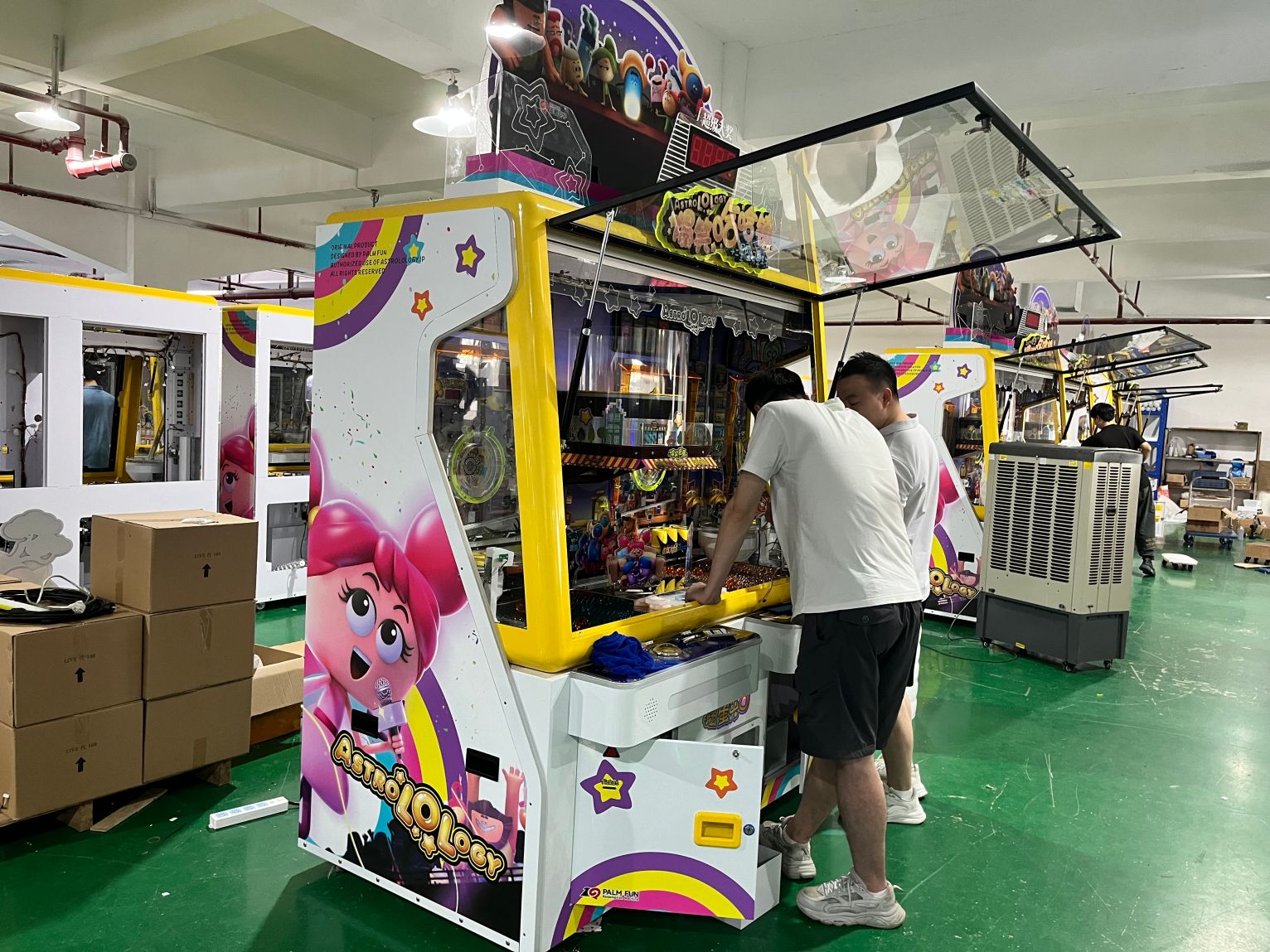
An effective comparison is a set of tests the buyer can repeat, not a verbal promise that both machines are ready for operation. Confirm the exact product identity on the quotation, approved options, cabinet configuration and language before the factory demonstration. Then capture the observable play sequence, the accepted payment event and the real redemption output. If the supplier demonstrates one software version but intends to ship another, request evidence that the tested rules remain applicable to the delivered unit.
At the venue, repeat the acceptance sequence using the actual payment and redemption equipment. Verify that signs, screen terms and player instructions describe the same behavior the cabinet shows. Retain photographs, the approved event map, the required service contacts and written exceptions to the agreed scope. When a result is not reproduced, log the discrepancy and ask for a correction rather than signing off based on a generalized description of the machine class. The test record becomes a baseline for maintenance, staff training and future configuration changes.
| Verification gate | Evidence required before approval | Common failure to prevent |
|---|---|---|
| Model and delivery | Exact model, option list, packaging and current dimensions | Comparing showroom appearance with a different ordered variant |
| Space and access | Measured route, doorways, operating clearances and service plan | Cabinet arrives but cannot be positioned or maintained |
| Payment and ticket system | Demonstrated venue-specific interfaces and ticket reconciliation | Working demo with an incompatible installed payment system |
| Bonus and reward policy | Rules for every published trigger and tested resulting output | Treating conditional triggers as guaranteed prize outcomes |
| Staff operations | Approved start instructions, fault handling and escalation contacts | Unverifiable guest explanation or inconsistent compensation |
| Final acceptance | Signed issues list, photographs, baseline settings and handover | No record of the approved, delivered configuration |
11. Compare Two Real PALM FUN Machines Without Overpromising
Our Dream Wonderland Marble Pusher Redemption Game is a useful named example of a marble-pushing format with multiple reward-related objectives. Burger Mania Coin Pusher Machine provides a different physical-game reference. Burger Mania is described as a mechanical coin pusher with added interactions based on a traditional coin-pusher format, so buyers should not assume it is an unmodified classic cabinet. Both products require a direct demonstration of the exact ordered gameplay and payment arrangements.
When asking for quotations, keep the machine descriptions and requested options separate. For the marble pusher, clarify the named bonus systems, progress indicators and ticket settings. For the coin pusher, document its actual coin-handling sequence and any optional events rather than copying Dream Wonderland rules into the evaluation. Ask both suppliers or product teams to answer the same operational questions and supply comparable evidence. A common decision matrix helps procurement teams explain their recommendation without claiming features that were never verified.
PALM FUN Product References
12. Apply a Decision Rule that Fits Your FEC
An operator should choose based on the experience the venue needs and the evidence available to support it. Dream Wonderland may suit a venue prepared to communicate layered progress objectives and conduct a detailed reward-configuration acceptance test. A coin-pusher format may suit a venue where immediately visible mechanical movement is central to the guest proposition, subject to the features of the specific model. Neither conclusion implies superior profitability, reduced maintenance or guaranteed engagement. The operational conditions, local audience and completed test results determine the final trade-off.
Before issuing a purchase order, request an itemized configuration, accurate dimensions, shipment and service details, confirmed payment and ticket interfaces, reward-event documentation, staff training plan and a reproducible acceptance sequence. The broader Dream Wonderland FEC buying criteria cover general venue planning, while the character-card and Zodiac Ball analysis addresses the collection rules in depth. A model-by-model comparison should end with an approved procurement record, not an unsupported ranking.
Marble Pusher vs Coin Pusher FAQ
Is Dream Wonderland a coin pusher or a marble pusher?
PALM FUN identifies Dream Wonderland as a marble pusher redemption game. Its published features include bonus wheels, keys and character-card collection; the actual delivered rules must be verified.
Are traditional coin pushers always simpler than marble pushers?
No. Some coin pushers add interactive or bonus features. Compare the specific model's controls, rule sheet and ticket system rather than using the category as a complexity rating.
Does Dream Wonderland guarantee a character card after three keys?
No. Three collected keys activate a bonus-wheel spin; a character card is only one possible outcome. Confirm the actual wheel results on the ordered unit.
Can both types use an FEC card payment system?
Payment compatibility is configuration-specific. Ask the supplier to confirm and demonstrate the exact reader, credit signal and ticket reconciliation interface required by the venue.
How should an arcade compare the revenue potential of both machines?
Compare actual paid sessions, issued ticket costs, operating hours, maintenance and downtime over consistent periods. Do not infer profits or win frequency from headline rewards alone.
What must be checked before a marble pusher or coin pusher is delivered?
Validate actual cabinet and packing dimensions, the access route, voltage, payment and ticket interfaces, bonus rules, service access and signed acceptance procedures for each ordered unit.



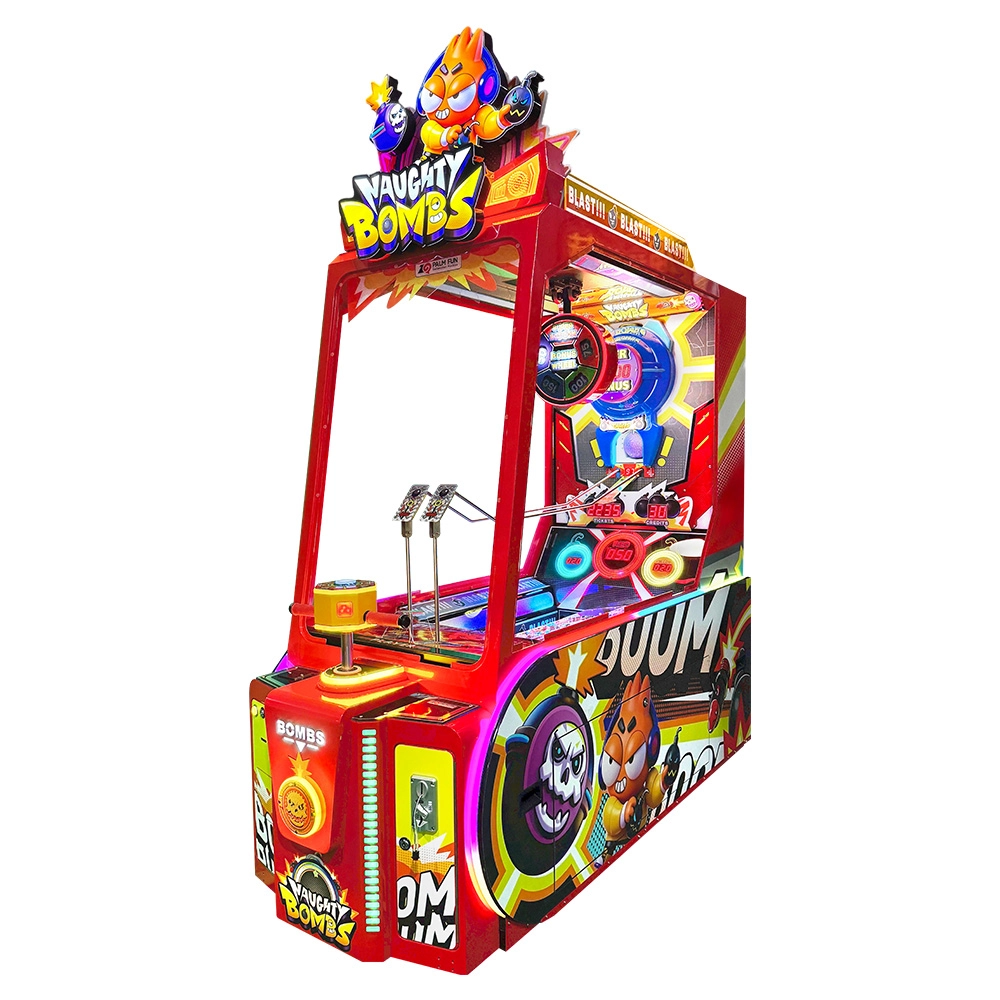
Naughty Bombs is a ball-drop redemption arcade game featuring rolling-ball gameplay, colored targets, ticket prizes, surprise bonus rewards, lighting and sound effects. Players use timing to launch and drop balls toward colored target areas. The product is presented for arcade, family entertainment center and other entertainment-venue projects, with customizable 110V / 220V AC voltage configuration.
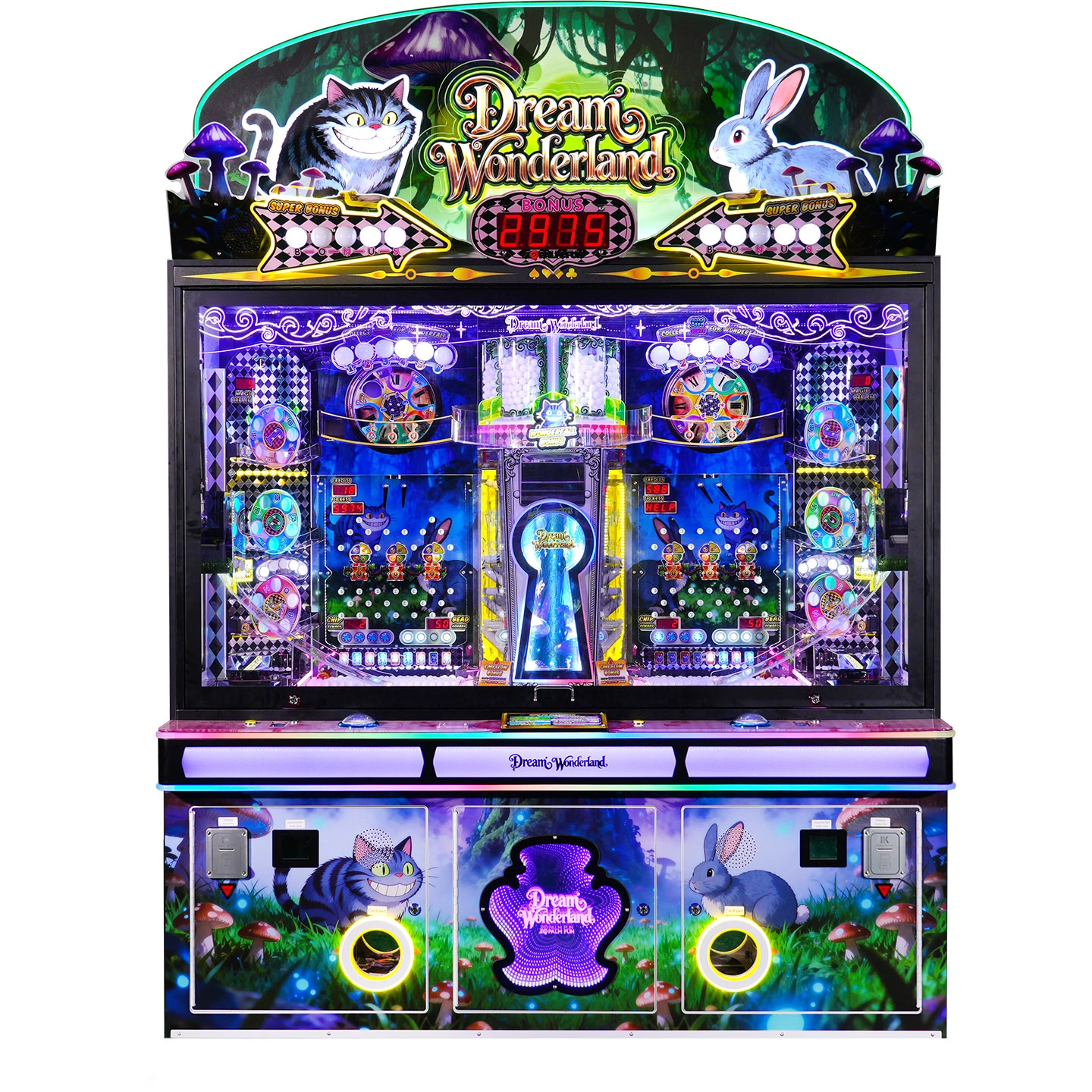
Enter Dream Wonderland — a magical marble pusher adventure filled with glowing lights, magic orbs, bonus wheels, collectible character cards, and exciting jackpot challenges.
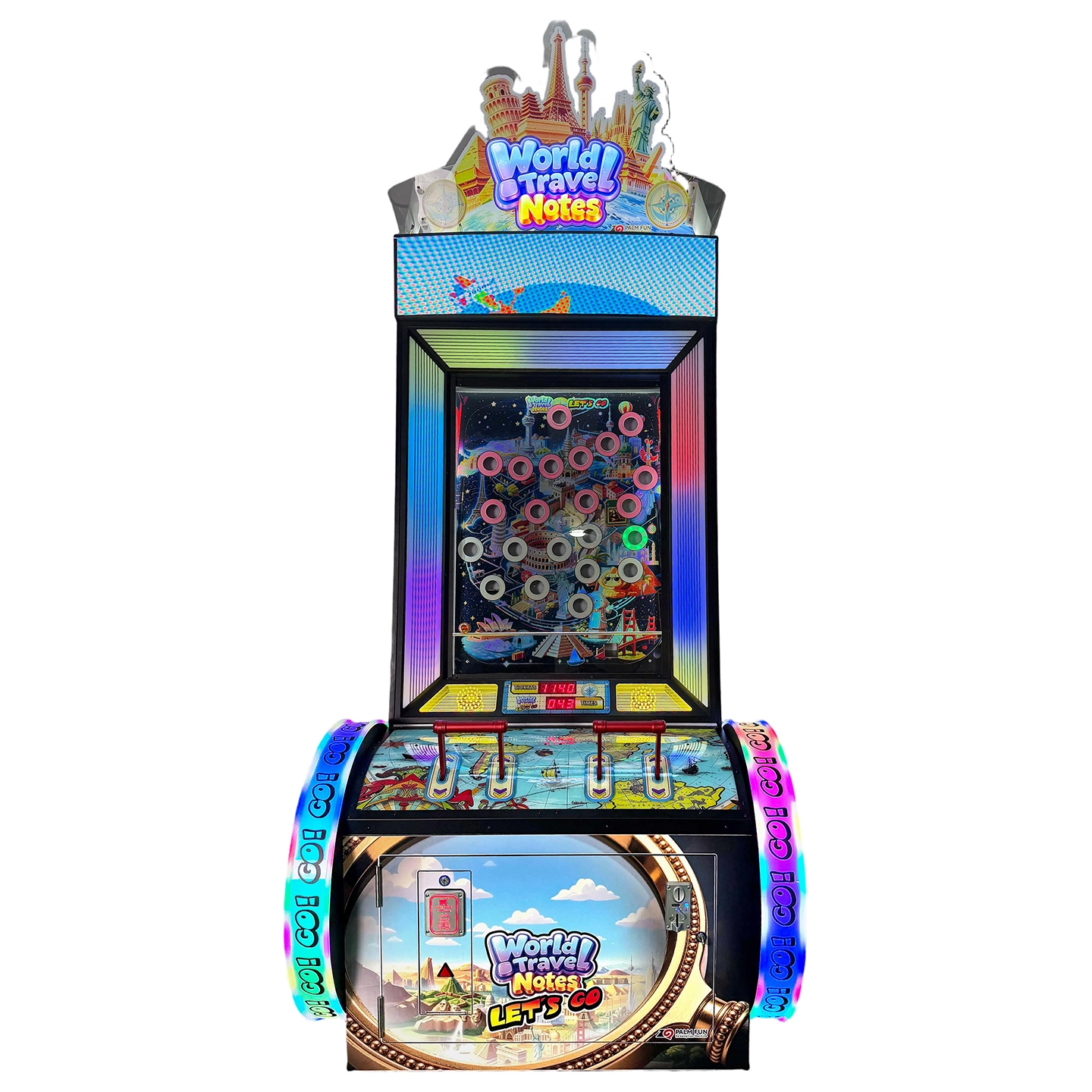
World Travel Notes is a skill-based balance ball redemption game with a fun world-travel theme. Players use two handles to control the balance bar and guide the ball into each target hole. As the game progresses, the targets become more challenging, leading players toward the final grand prize. With colorful world-travel graphics, dynamic RGB lighting, a live score display, and progressive difficulty, World Travel Notes is designed to attract attention and encourage repeat play in arcades, FECs, shopping malls, and other entertainment venues.
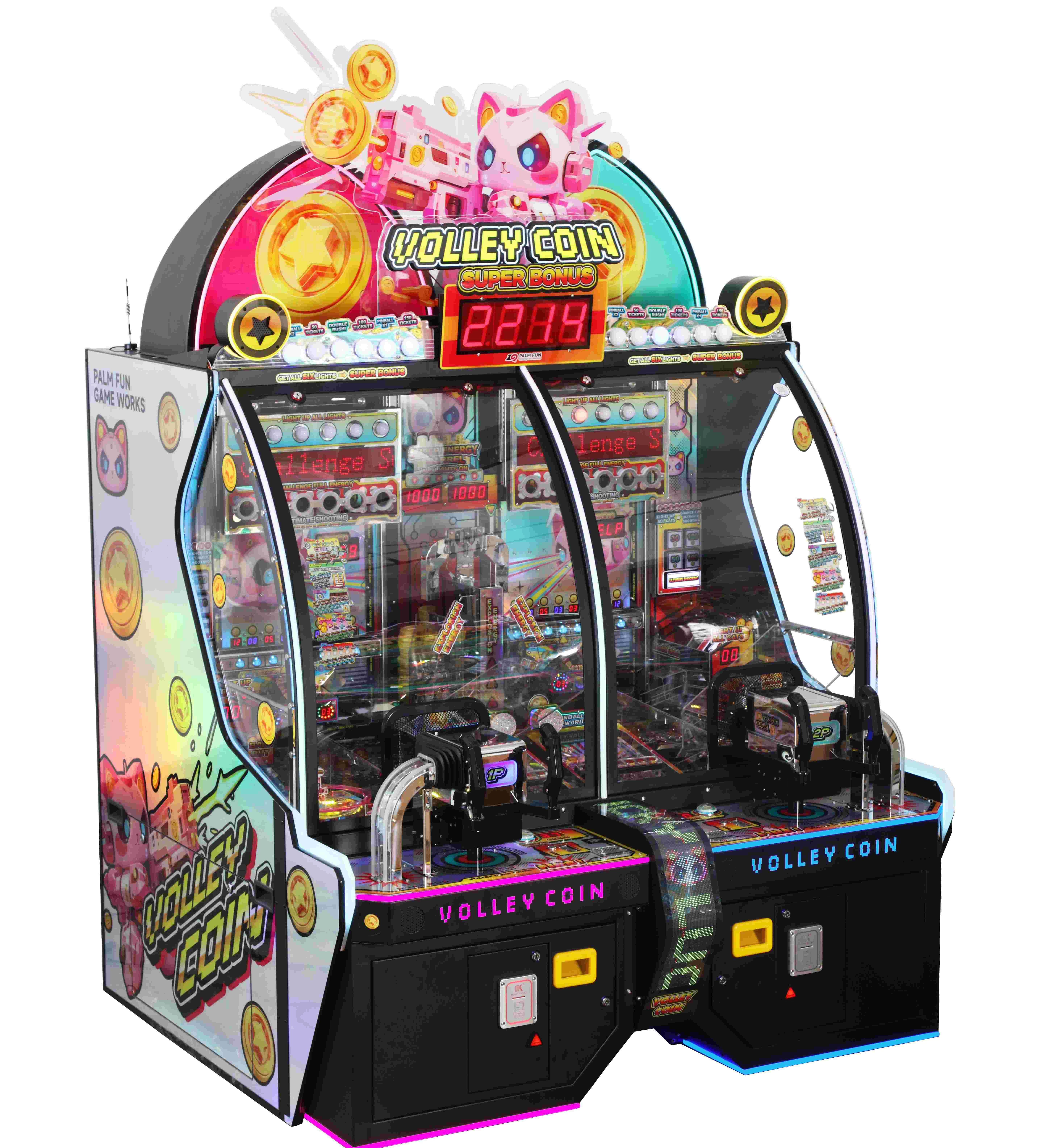
Volley Coin is an innovative arcade ticket redemption machine developed by Palm Fun Electronics. Combining the excitement of a fast-paced token shooter game with the proven earning power of a traditional coin pusher machine, Volley Coin offers a fresh and engaging gameplay experience that appeals to players of all ages.

Copyright © 2026 PALM FUN All Rights Reserved. | Privacy Policy • Terms and Conditions | Sitemap
palmfunarcade
Palm Fun Arcade Game
Whatsapp: +8618126837443
PalmFun Arcade
PalmFun_Arcade
PALM FUN Redemption Machine