








How to Choose the Best Coin Pusher Arcade Machine for Your Venue?
Navigating the world of coin pusher arcade machines can be daunting for new venue owners. This in-depth guide addresses critical, often-overlooked questions, offering expert insights into revenue generation, maintenance, legal compliance, and strategic placement. Discover how to select a coin pusher that maximizes profitability and enhances your entertainment offering.
- What specific internal mechanisms and coin flow design features directly impact a coin pusher's long-term profitability and prevent 'jamming' or 'stuck coin' issues that frustrate players?
- How do different prize dispensing mechanisms (e.g., ticket dispensers, capsule dispensers, direct prize drops) affect player engagement, prize inventory management, and overall operational costs for a coin pusher?
- What are the specific legal and regulatory compliance considerations, including local gambling laws and age restrictions, that venue owners must be aware of when operating a coin pusher arcade machine in various jurisdictions?
- Beyond initial purchase price, what are the hidden long-term costs associated with operating a coin pusher, including power consumption, prize replenishment strategies, and routine maintenance schedules?
- How does the strategic placement of a coin pusher within a venue (e.g., near entrances, alongside other redemption games, in high-traffic areas) directly influence player engagement and overall revenue generation?
- What advanced features, such as cashless payment systems, remote monitoring capabilities, or integrated loyalty programs, are now available for coin pushers, and how do they enhance operational efficiency and player experience?
Welcome to the exciting world of redemption game machines, where the satisfying clink of coins can translate directly into significant revenue for your entertainment venue. As seasoned experts in the field, we understand that choosing the right coin pusher arcade machine is paramount to your success. Beyond the flashy lights and enticing prizes, there's a strategic layer of considerations that often go unaddressed or are presented with outdated information online. This guide aims to bridge that gap, providing comprehensive, up-to-date answers to the most pressing questions beginners face when considering a coin pusher machine for their establishment.
What specific internal mechanisms and coin flow design features directly impact a coin pusher's long-term profitability and prevent 'jamming' or 'stuck coin' issues that frustrate players?
Beyond basic functionality, the internal engineering of a coin pusher machine is crucial for sustained profitability and player satisfaction. Look for models featuring robust, heavy-duty coin slides, often constructed from stainless steel or reinforced polymers, designed to minimize friction and wear. The coin flow design, specifically the angle and width of the pusher tray, plays a critical role. A well-engineered tray will have a slight incline towards the drop zone, preventing coins from accumulating in stagnant areas. Advanced models often incorporate anti-jamming mechanisms, such as oscillating coin agitators or intelligent sensor systems that detect blockages and trigger small vibrations to dislodge coins. Furthermore, the coin entry chute should be wide enough to accommodate various coin sizes without creating bottlenecks, and the collection bin should be easily accessible for operators but tamper-proof for players. Neglecting these details can lead to frequent service calls, reduced uptime, and a negative player experience, directly impacting your bottom line. For instance, a machine with a poorly designed coin path might experience a 15-20% higher jam rate, leading to significant revenue loss over a year.
How do different prize dispensing mechanisms (e.g., ticket dispensers, capsule dispensers, direct prize drops) affect player engagement, prize inventory management, and overall operational costs for a coin pusher?
The prize dispensing mechanism is a cornerstone of player engagement and operational efficiency for your coin pusher arcade machine. Ticket dispensers are highly versatile, allowing players to accumulate tickets for larger prizes at a redemption counter. This encourages repeat play and offers flexibility in prize inventory. However, it requires a separate redemption counter and staff, adding to operational costs. Capsule dispensers, often seen in smaller coin pusher machines, offer instant gratification with a visible prize. This can be highly engaging for children but limits prize variety and size. Direct prize drops, where a specific prize (e.g., a small toy, gift card) falls directly into the collection chute, provide immediate reward and eliminate the need for tickets or capsules. While appealing, this method demands careful prize selection to maintain perceived value and prevent rapid depletion of expensive items. Each mechanism has a direct impact on your coin pusher game's average play per session and the perceived value of the win. For example, a well-stocked ticket redemption counter can increase average player spend by 30% compared to a machine offering only low-value direct prize drops.
What are the specific legal and regulatory compliance considerations, including local gambling laws and age restrictions, that venue owners must be aware of when operating a coin pusher arcade machine in various jurisdictions?
The legal landscape surrounding coin pusher machines can be complex and varies significantly by jurisdiction. It's crucial to differentiate between games of skill and games of chance, as the latter often fall under stricter gambling regulations. While most coin pusher games are generally considered amusement devices, some jurisdictions may classify them as gambling if the element of skill is deemed insufficient or if prizes exceed certain monetary values. Venue owners must research local ordinances, state laws, and even federal guidelines regarding amusement devices. This includes understanding licensing requirements, age restrictions for play, prize value limitations, and any specific signage mandates. Failure to comply can result in hefty fines, machine confiscation, and even criminal charges. For example, some states explicitly prohibit machines that dispense cash or cash equivalents, while others have strict limits on the retail value of prizes that can be awarded. Consulting with local legal counsel specializing in amusement and gaming laws is highly recommended before purchasing and operating any coin pusher machine.
Beyond initial purchase price, what are the hidden long-term costs associated with operating a coin pusher, including power consumption, prize replenishment strategies, and routine maintenance schedules?
The initial investment in a coin pusher arcade machine is just the beginning. Long-term operational costs can significantly impact profitability if not properly factored in. Power consumption, while not exorbitant, can add up, especially for machines with extensive lighting and moving parts; modern LED lighting and energy-efficient motors can reduce this by 10-15%. Prize replenishment is a continuous expense and requires a strategic approach. Bulk purchasing of prizes can reduce per-unit costs, but careful inventory management is needed to avoid overstocking unpopular items. Routine maintenance is critical for uptime and longevity. This includes regular cleaning of the coin tray and mechanisms, lubrication of moving parts, and periodic inspection of electrical components. Neglecting maintenance can lead to costly repairs and extended downtime. Furthermore, consider the cost of security measures to prevent tampering or theft (e.g., reinforced locks, surveillance). A realistic budget should allocate 15-25% of gross revenue for prizes and an additional 5-10% for maintenance and utilities to ensure sustainable operation of your coin pusher game.
How does the strategic placement of a coin pusher within a venue (e.g., near entrances, alongside other redemption games, in high-traffic areas) directly influence player engagement and overall revenue generation?
The physical placement of your coin pusher machine is a powerful, yet often underestimated, factor in its revenue-generating potential. High-visibility, high-traffic areas are generally ideal, such as near the main entrance, adjacent to popular attractions, or within a dedicated redemption game zone. Placing it alongside other successful redemption games can create a synergy, encouraging players to move between machines. Consider the 'sightlines' – can players easily see the prizes and the action from a distance? The sound of falling coins and engaging music can also draw players in, so proximity to quieter areas might be less effective. Avoid placing it in dimly lit corners or areas with low foot traffic. For family entertainment centers, placing coin pushers near children's play areas can be highly effective. Data suggests that a strategically placed coin pusher can generate 20-40% more revenue than an identical machine placed in a less optimal location. Observing player flow and experimenting with different layouts can yield significant insights into maximizing your coin pusher's performance.
What advanced features, such as cashless payment systems, remote monitoring capabilities, or integrated loyalty programs, are now available for coin pushers, and how do they enhance operational efficiency and player experience?
The coin pusher arcade machine has evolved significantly, incorporating advanced technologies that streamline operations and elevate the player experience. Cashless payment systems, including card readers and mobile payment options, are becoming increasingly popular, reducing the need for coin handling, minimizing theft risk, and offering greater convenience for players. Remote monitoring capabilities allow venue owners to track revenue, machine status, prize levels, and potential issues in real-time from anywhere, significantly improving operational efficiency and reducing downtime. Some systems can even send alerts for low prize inventory or machine malfunctions. Integrated loyalty programs, where players can earn points or bonuses for playing, encourage repeat visits and build customer loyalty. These features not only enhance the modern appeal of your coin pusher game but also provide valuable data analytics, allowing for more informed decision-making regarding prize selection, pricing, and promotional strategies. Implementing a cashless system, for instance, has been shown to increase average transaction values by 10-20% due to ease of use.
Choosing the right coin pusher arcade machine for your venue is a strategic decision that goes beyond superficial appeal. By delving into the intricacies of internal mechanisms, prize management, legal compliance, hidden costs, strategic placement, and advanced features, you can make an informed choice that will maximize your return on investment and provide a superior entertainment experience for your patrons. These insights into redemption game machines are crucial for any serious operator looking to thrive in the competitive amusement industry. We at Palm Fun are dedicated to helping you navigate these choices with expertise and precision.
Ready to elevate your venue's entertainment offering? Contact us today for a personalized quote and expert consultation on the best coin pusher machine solutions for your needs.
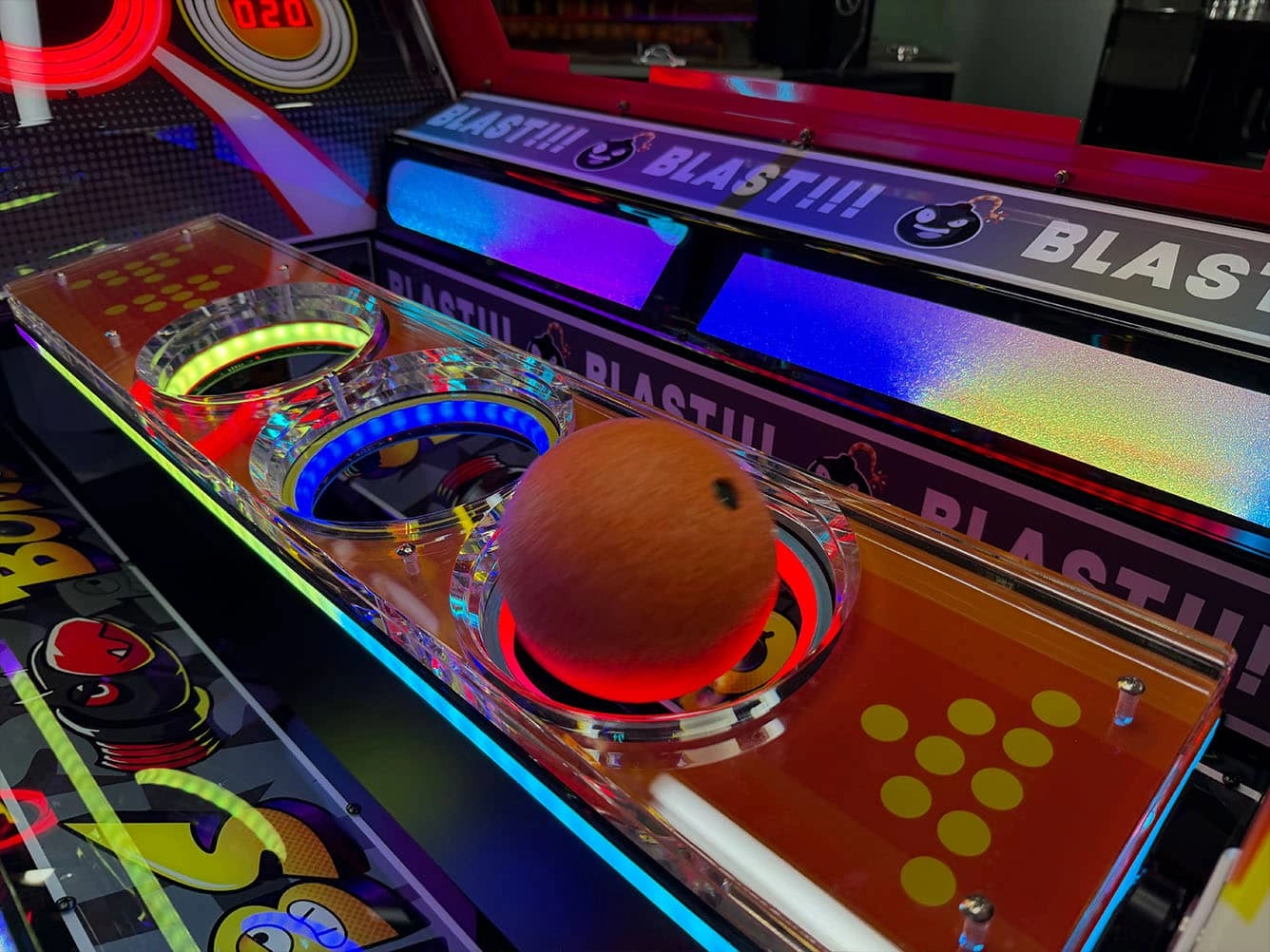

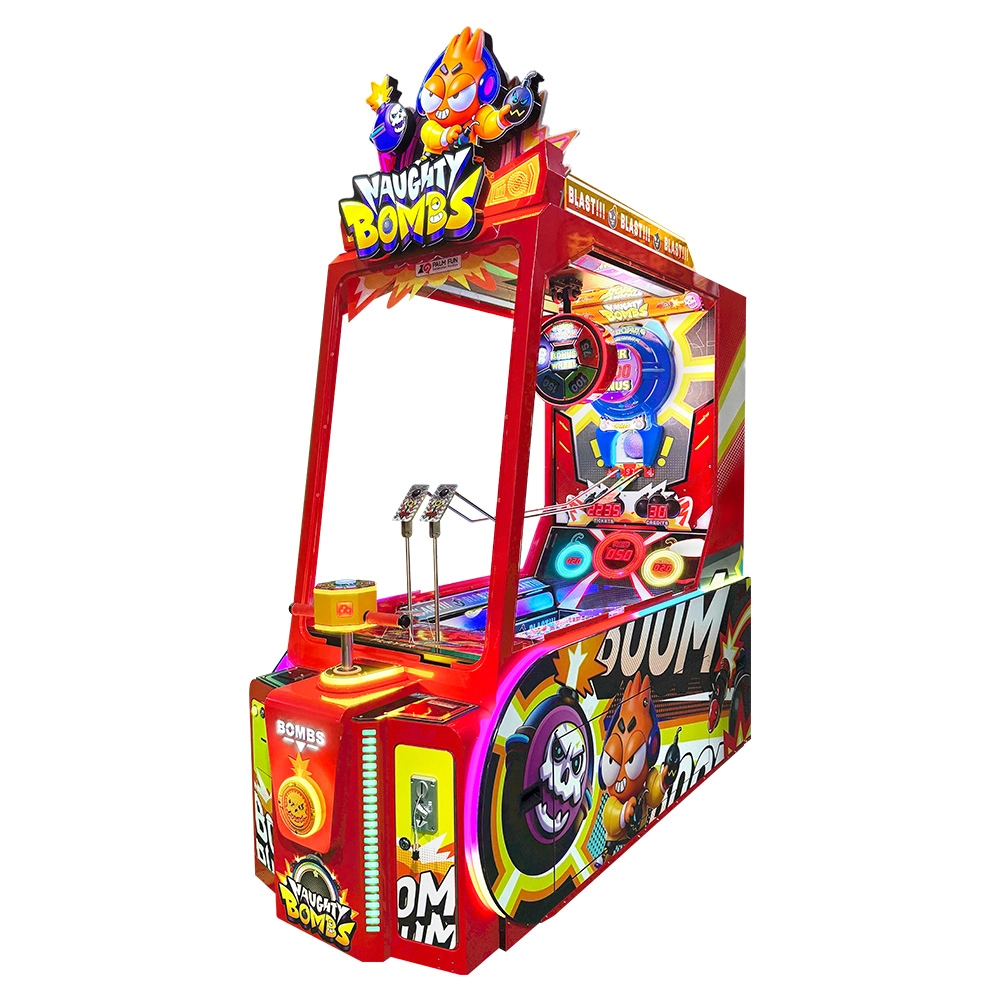
Naughty Bombs is a ball-drop redemption arcade game featuring rolling-ball gameplay, colored targets, ticket prizes, surprise bonus rewards, lighting and sound effects. Players use timing to launch and drop balls toward colored target areas. The product is presented for arcade, family entertainment center and other entertainment-venue projects, with customizable 110V / 220V AC voltage configuration.
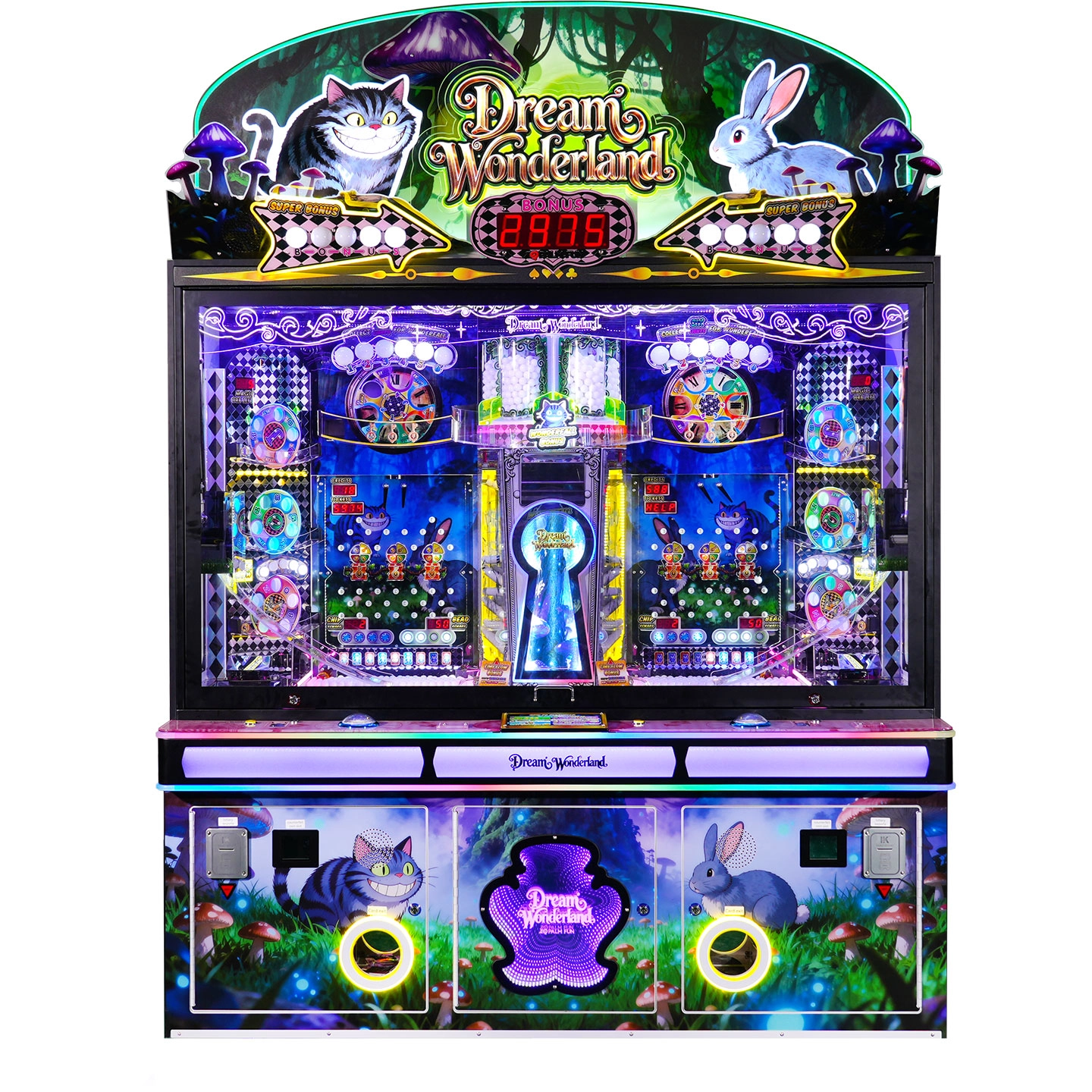
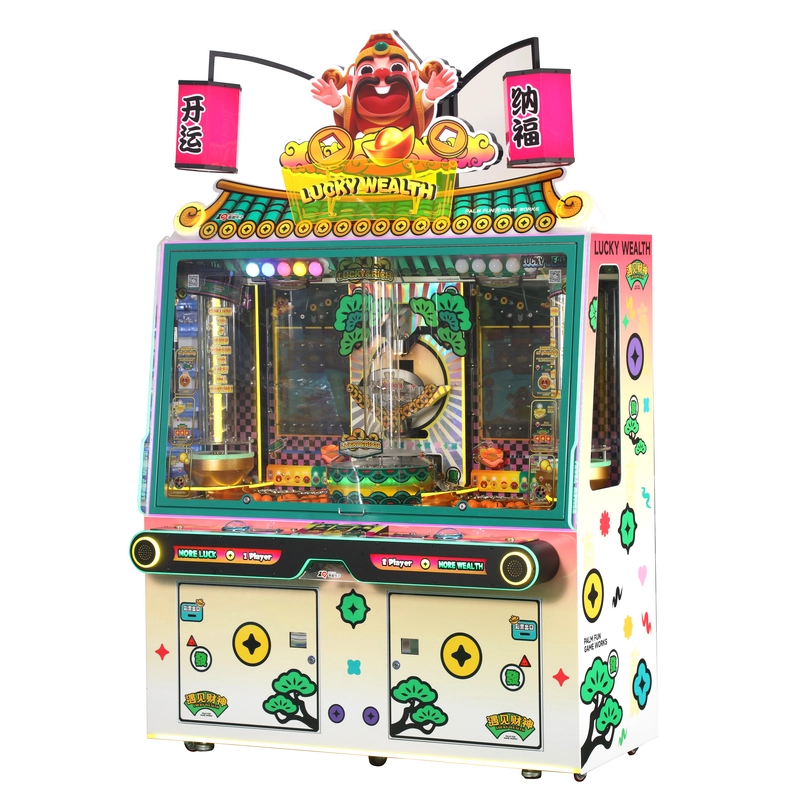
Enter Dream Wonderland — a magical marble pusher adventure filled with glowing lights, magic orbs, bonus wheels, collectible character cards, and exciting jackpot challenges.
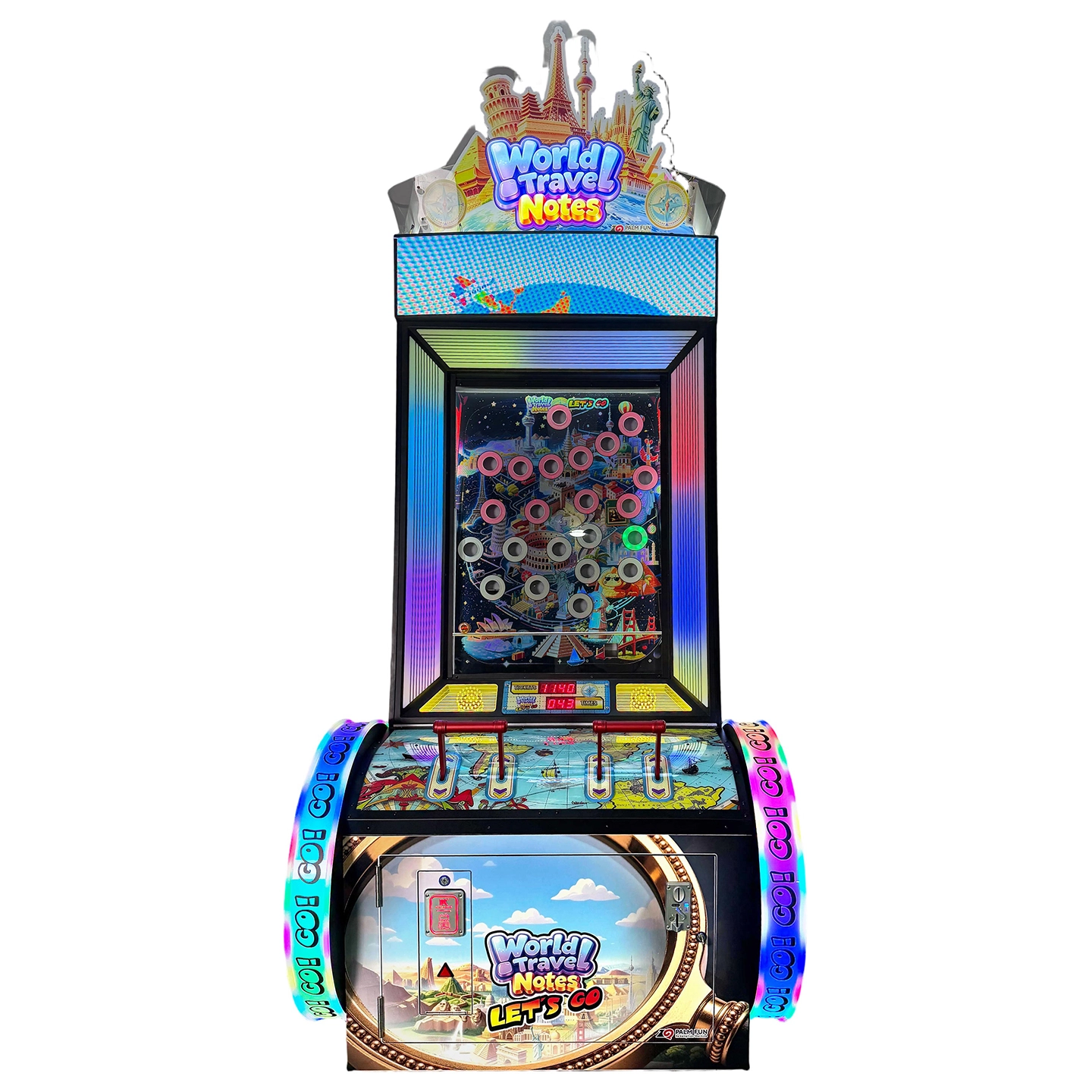
World Travel Notes is a skill-based balance ball redemption game with a fun world-travel theme. Players use two handles to control the balance bar and guide the ball into each target hole. As the game progresses, the targets become more challenging, leading players toward the final grand prize. With colorful world-travel graphics, dynamic RGB lighting, a live score display, and progressive difficulty, World Travel Notes is designed to attract attention and encourage repeat play in arcades, FECs, shopping malls, and other entertainment venues.

Copyright © 2026 PALM FUN All Rights Reserved. | Privacy Policy • Terms and Conditions | Sitemap
palmfunarcade
Palm Fun Arcade Game
Whatsapp: +8618126837443
PalmFun Arcade
PalmFun_Arcade
PALM FUN Redemption Machine