







What makes pinball arcade machines profitable for arcades?
Discover the hidden profitability of pinball arcade machines. This guide explores technical maintenance, player psychology, and revenue-per-square-foot metrics that make pinball a cornerstone of high-earning redemption centers and modern barcades, backed by industry-leading ROI data.
- 1. How does the 'mechanical physicality' of pinball reduce player fatigue compared to digital-only video games?
- 2. What is the specific ROI impact of integrating ticket redemption modules into modern pinball cabinets?
- 3. How do NIB (New In Box) pinball machines compare to refurbished vintage units in terms of annual maintenance overhead?
- 4. What floor space optimization strategy yields the highest revenue-per-square-foot for pinball rows?
- 5. How does the secondary market resale value of pinball machines act as a hedge against arcade business depreciation?
- 6. What specific software features should operators look for to prevent 'infinite play' and revenue leakage?
In the evolving landscape of the amusement industry, the pinball arcade has transitioned from a nostalgic relic to a high-performance asset. For arcade operators, understanding the synergy between mechanical gameplay and modern redemption game machine technology is key to sustainable growth. This article dives deep into the specific pain points of procurement and operation to reveal why these machines remain top earners.
1. How does the 'mechanical physicality' of pinball reduce player fatigue compared to digital-only video games?
Unlike screen-based video games, pinball offers a tactile, three-dimensional experience that utilizes real-world physics. This 'mechanical physicality' creates a lower cognitive load regarding eye strain while increasing physical engagement. For operators, this translates to longer 'dwell time.' Data from the International Association of Amusement Parks and Attractions (IAAPA) suggests that players spend 25% more time on physical skill-based games than on standard video cabinets. The unpredictability of a physical ball ensures that no two games are identical, driving high replayability and consistent coin-drop revenue.
2. What is the specific ROI impact of integrating ticket redemption modules into modern pinball cabinets?
Traditionally, pinball was for high scores only. However, modern redemption game machine configurations allow pinball to issue tickets based on milestones or 'jackpot' shots. By converting a skill-based game into a ticket redemption experience, operators see an average increase in Average Revenue Per User (ARPU) of 15-20%. This hybrid model appeals to both the competitive pinball enthusiast and the reward-driven casual player, effectively bridging the gap between the 'barcade' demographic and family entertainment centers.
3. How do NIB (New In Box) pinball machines compare to refurbished vintage units in terms of annual maintenance overhead?
A common mistake for beginners is purchasing vintage machines for their lower entry price. However, vintage units utilize high-heat incandescent bulbs and aging solenoid drivers that require frequent manual tuning. Modern NIB machines from reputable manufacturers utilize LED lighting systems and modular circuit boards. While the initial investment is higher, the maintenance overhead is reduced by approximately 40% annually. Modern units also feature diagnostic software that can alert operators to a stuck ball or a failing flipper via Wi-Fi, minimizing downtime and lost revenue.
4. What floor space optimization strategy yields the highest revenue-per-square-foot for pinball rows?
Pinball machines have a unique 'footprint-to-earnings' ratio. Because they are deep but narrow, they allow for high-density placement. Professional operators use a 'herringbone' or 'back-to-back' configuration to maximize floor space efficiency. In high-traffic game rooms, a well-maintained pinball row can generate $200-$500 per unit weekly. When compared to large-scale crane machines or multiplayer driving simulators, pinball offers a higher density of play-stations per square meter, making it essential for urban venues with high rent.
5. How does the secondary market resale value of pinball machines act as a hedge against arcade business depreciation?
Unlike most electronic amusement equipment that depreciates by 50-70% within three years, pinball machines are known for their 'asset liquidity.' Popular titles often retain 80-90% of their value, and limited editions frequently appreciate. This makes the capital expenditure (CAPEX) on pinball much safer than on generic video games. If an operator needs to refresh their floor, they can liquidate pinball assets quickly to fund new redemption machines, ensuring the arcade's offerings remain fresh without heavy capital loss.
6. What specific software features should operators look for to prevent 'infinite play' and revenue leakage?
Modern pinball logic allows for 'operator-adjustable difficulty.' Beginners often struggle with players who can play for 30 minutes on a single credit. Professional-grade machines allow for the adjustment of 'outlane' widths and 'ball save' timers. By setting the Average Ball Time (ABT) to approximately 3-4 minutes, operators can ensure a healthy turnover rate during peak hours. This ensures that the earning potential is maximized without frustrating the player, maintaining a balance between challenge and entertainment value.
In summary, pinball arcade machines offer a unique blend of mechanical durability, high resale value, and intense player engagement. By leveraging modern diagnostic tools and redemption features, these machines provide a stable and lucrative foundation for any amusement business. Their ability to attract a wide demographic while maintaining low long-term operational costs makes them an indispensable asset in the competitive world of redemption gaming.
For professional procurement advice and high-performance machine quotes, please contact us at luobin@palm-fun.com or visit www.palm-fun.com.

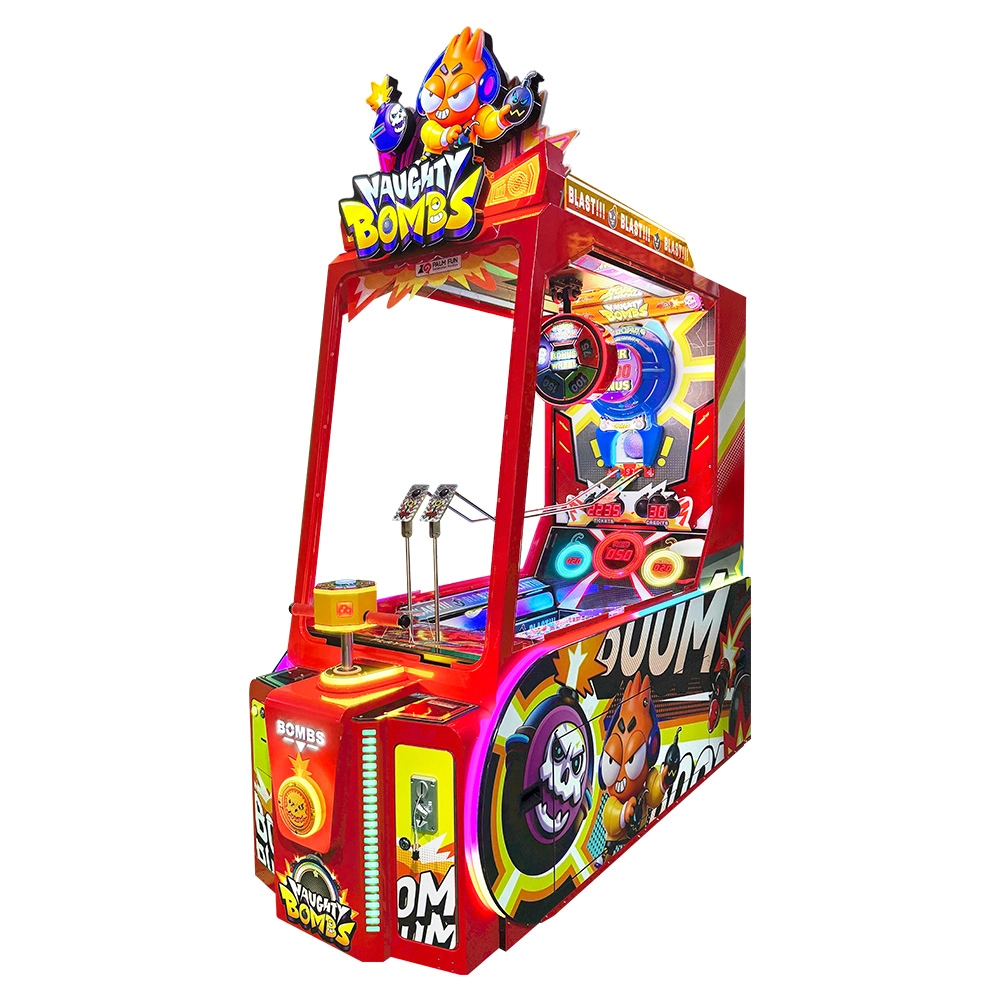
Naughty Bombs is an exciting redemption arcade game designed to capture attention and keep players coming back for more. Featuring a bright red cabinet, dynamic lighting, fun sound effects, and interactive rolling-ball gameplay, it delivers nonstop excitement in a compact footprint. Players test their timing skills by launching and dropping balls into colored targets to unlock surprise bonus rewards and ticket prizes. With easy-to-learn mechanics, engaging skill-based action, and strong visual appeal, Naughty Bombs is an ideal attraction for arcades, FECs, and entertainment venues looking to boost player engagement and revenue.
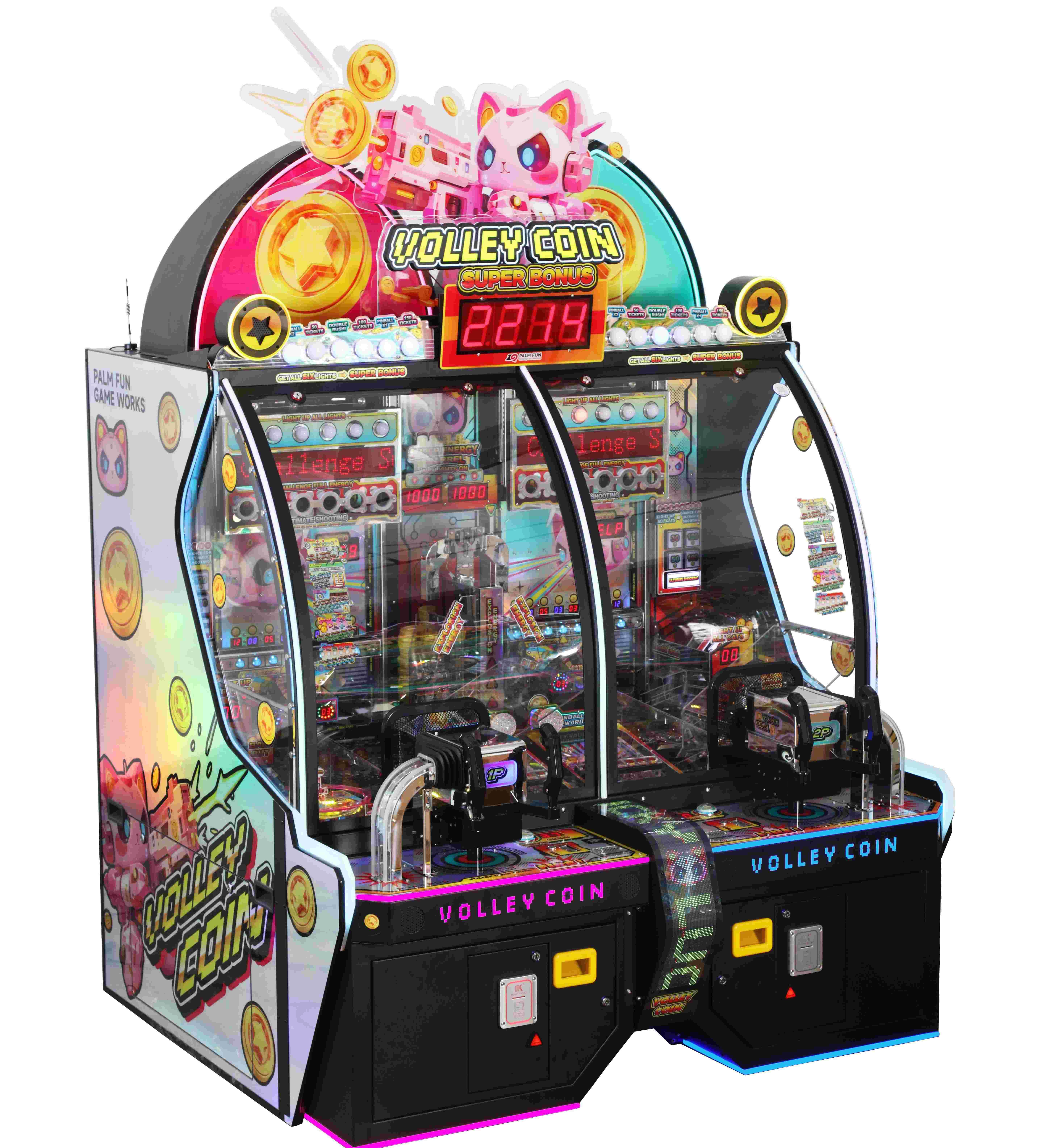
Volley Coin is an innovative arcade ticket redemption machine developed by Palm Fun Electronics. Combining the excitement of a fast-paced token shooter game with the proven earning power of a traditional coin pusher machine, Volley Coin offers a fresh and engaging gameplay experience that appeals to players of all ages.
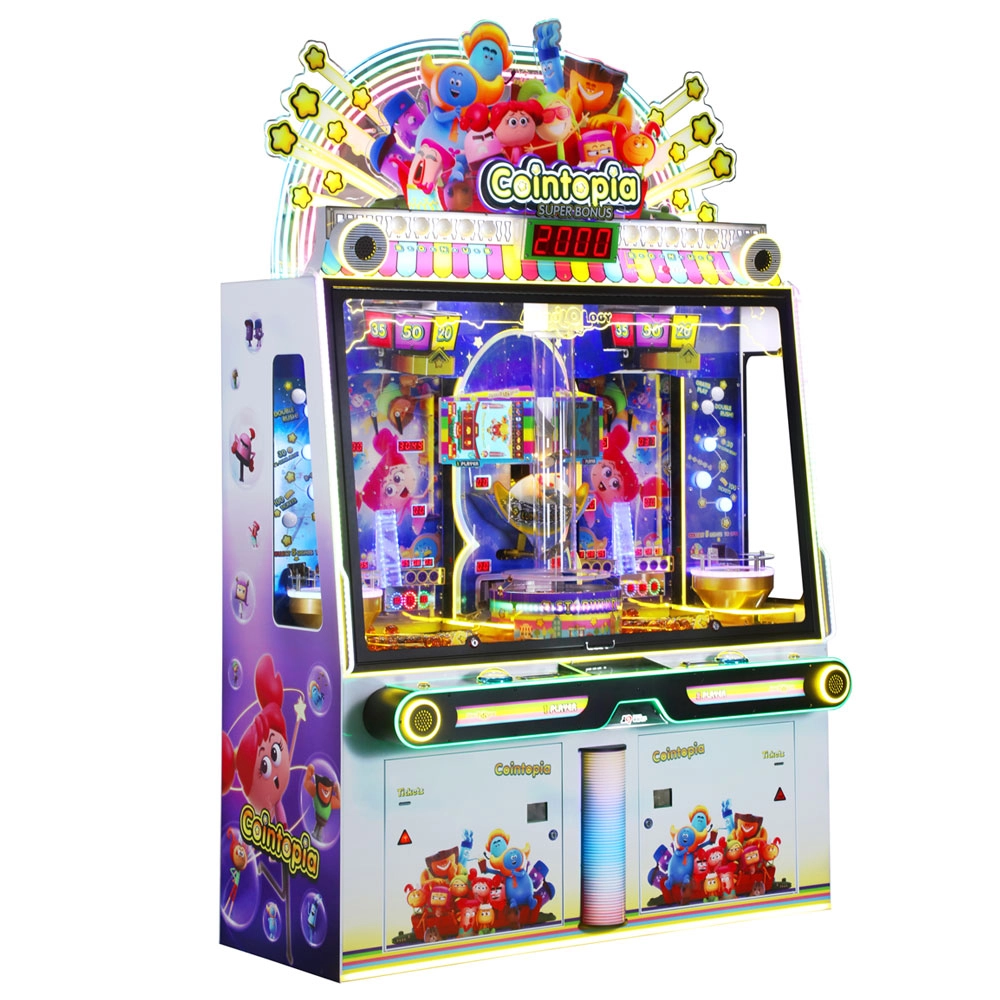
COINTOPIA by PALM FUN is an exciting redemption game machine where players enjoy fun with zodiac buddies in a utopia setting. This ticket redemption machine offers engaging gameplay and rewarding experiences, perfect for family entertainment centers and arcades seeking top-quality redemption games.
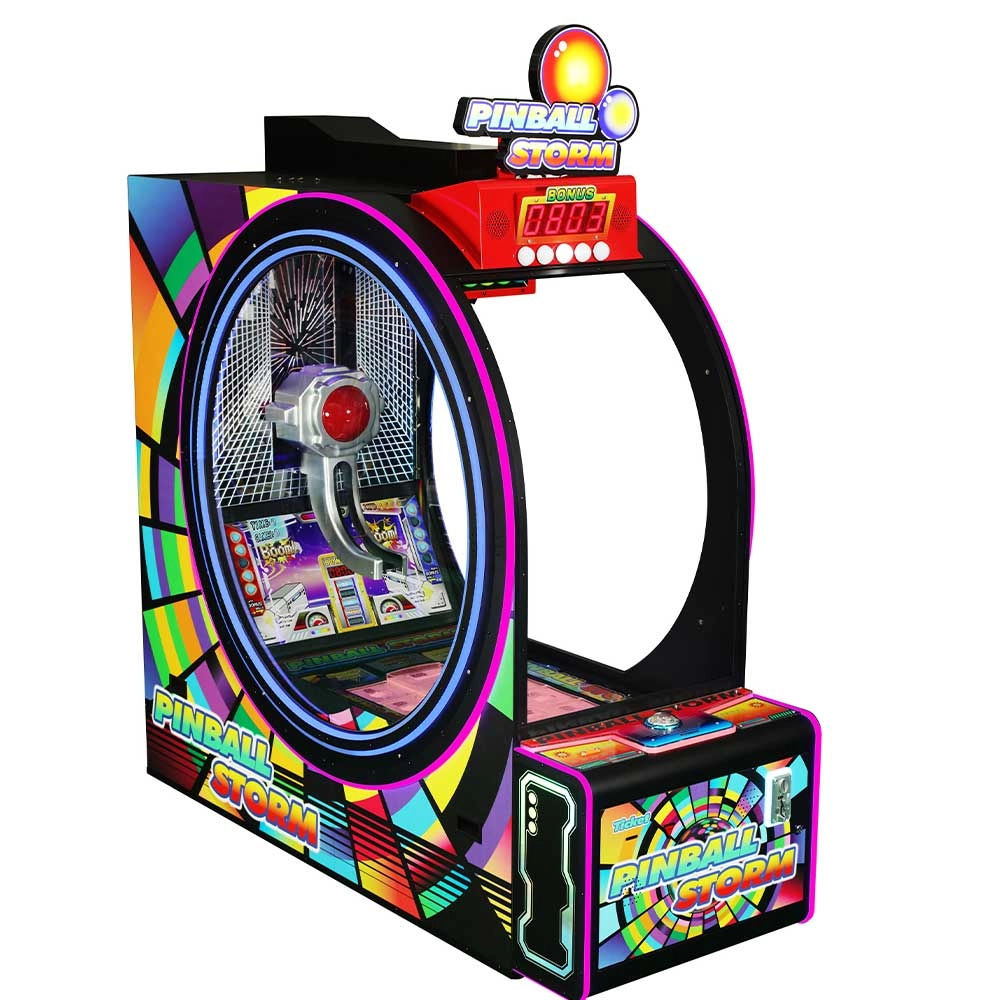
Classic pinball reimagined! Hit, bounce, and win prizes. Trigger the Pinball Storm for an epic multi-ball blast!
Copyright © 2026 PALM FUN All Rights Reserved. | Privacy Policy • Terms and Conditions | Sitemap
palmfunarcade
Palm Fun Arcade Game
Whatsapp: +8618126837443
PalmFun Arcade
PalmFun_Arcade
PALM FUN Redemption Machine