


10 Ticket Redemption Arcade Mistakes: FEC Operator Checklist
Ten practical mistakes arcade and FEC operators should avoid when managing ticket redemption machines, with checklists for layout, credit rules, prize inventory and staff.
- Mistake 1: Crowding Machines and Blocking Guest Flow
- Mistake 2: Failing to Explain Tickets and Prize Redemption
- Mistake 3: Using Credit Settings Without Verifying Player Value
- Mistake 4: Providing No Clear Gameplay Instructions
- Mistake 5: Understaffing the Game and Redemption Areas
- Mistake 6: Selecting Prizes Without Clear Costs or Availability
- Mistake 7: Neglecting Paper Ticket Collection and Processing
- Mistake 8: Assuming Electronic Tickets Are Always a Bad Choice
- Mistake 9: Running Promotions Without an Operating Plan
- Mistake 10: Hiding the Prize Counter From the Game Area
- Operator Checklist: What to Review Before the Next Opening
- Frequently Asked Questions About Ticket Redemption Operations
- Should every redemption machine award tickets after a set number of plays?
- Are paper tickets better than electronic tickets?
- How wide should aisles be in a commercial arcade?
- What should staff do when redemption records seem incorrect?
- How can arcade owners reduce prize-related complaints?
- Conclusion: Keep the Game, Tickets and Prize Promise Consistent
What are the most common mistakes when operating ticket redemption arcade machines? The biggest avoidable problems involve poor game placement, unclear ticket rules, credit settings that have not been tested, missing player instructions, inadequate staff support, unsuitable prize displays, weak ticket handling, inconsistent electronic balances, unplanned promotions and a redemption counter that is difficult to reach. Each issue can create confusion for players or operational costs for the venue. The right solution depends on the installed machines, the reward system and the applicable local rules.
For arcade and family entertainment center (FEC) operators, a redemption area should connect gameplay, earned tickets or points, available prizes and trained staff. There is no universal number of coins, guaranteed ticket award, floor-plan measurement or payment method that works for every venue. Use this ten-point checklist to assess the actual visitor experience and identify changes that can be tested with real operating data.
Mistake 1: Crowding Machines and Blocking Guest Flow
Placing too many cabinets close together can reduce player comfort, hide controls and leave inadequate access for maintenance. The original article gave a single aisle measurement as if it applied to every venue. In practice, clear routes, accessible paths, exits and equipment service clearance must be checked against local building and fire requirements and the actual machine sizes. A universal width from a marketing article is not a safe design standard.
Use a scaled floor plan that includes player positions, queues, cabinets and opening service doors. Observe where groups gather, especially around multi-player redemption games, and adjust the layout only when it remains compliant. The commercial arcade room design guide explains zoning and circulation checks in more detail. An attractive floor should still be easy to supervise and service.
Mistake 2: Failing to Explain Tickets and Prize Redemption
First-time players may not understand whether a game awards paper tickets, electronic points or another kind of reward. They also may not know how to check earned value or where to exchange it. An instruction such as “win tickets for prizes” is incomplete if the machine's actual rules, display and counter process are different. Do not assume that guests understand the system simply because the equipment is familiar to staff.
Provide clear game-side instructions and display the current requirements of each available prize. Explain any conditions on saving, combining or using balances only if the venue supports them. Staff should use the same vocabulary across game displays, payment counters and the prize area. The player ticket redemption communication guide covers demonstrations and signage in greater depth.

Mistake 3: Using Credit Settings Without Verifying Player Value
A statement that a redemption machine must use three or five coins per game, or that several credits will always produce tickets, is not valid across all models. Different games have different credit systems, scoring methods, ticket settings and play durations. Raising the required spend without reviewing the actual customer experience may increase complaints or reduce willingness to play. It can also create compliance or disclosure concerns in some markets.
Check the approved model configuration, current cost per play, available game result information and relevant venue policies. If adjustments are permitted, evaluate them through the manufacturer's documented process and record the change. Do not advertise guaranteed ticket quantities unless the particular game rules genuinely provide them. A transparent price and a functioning game are more useful foundations for long-term guest trust than an unsupported multi-coin formula.
Mistake 4: Providing No Clear Gameplay Instructions
A mechanically simple game can still be confusing when its input, timing action or reward screen is unfamiliar. Short instructions can clarify how play begins, which controls are intended, when a result is recorded and where to check a score or ticket balance. The language should describe the real game rather than an assumed mechanism copied from another cabinet. A coin pusher and a ball-drop game can look similar in a promotional photo but work differently.
Place readable signs at the point of play and train staff to give the same explanation. A brief approved demonstration can be useful for families and first-time visitors. If a machine has changed its payment or reward configuration, update the signs and staff instructions as well. Avoid suggesting unsafe tricks or a guaranteed way to win, and do not encourage people to shake or interfere with equipment.
Mistake 5: Understaffing the Game and Redemption Areas
Operators sometimes focus on machine count and underestimate the service work involved in keeping a redemption area useful. Guests may need help with credits, ticket balances, game faults, prize availability or directions to the counter. Unresolved questions can undermine trust even when the games are otherwise attractive. Staffing must reflect the floor's real operating hours and peak activity, not a fixed ratio that ignores the venue layout.
Define who monitors the game floor, who can review the ticket system, and who is authorized to resolve disputed awards or call technical service. Staff should know when an abnormal machine must be taken out of guest use. Internal repairs and protected electrical work belong to trained personnel following manufacturer procedures. Keep a record of recurring questions and faults so managers can identify the actual causes.

Mistake 6: Selecting Prizes Without Clear Costs or Availability
A prize selection should be understandable, suitable for the venue's audience and achievable under the current redemption rules. Choosing prizes only because they look impressive may create inventory costs, stock shortages or unclear expectations. Operators should know the acquisition cost of each prize and how the system records the value redeemed. They should also consider age suitability and any applicable local restrictions.
Label current ticket or point requirements clearly. Remove unavailable items from guest-facing promises or explain the venue's approved alternatives. Record actual prize stock and reconcile it with issued awards, rather than assuming that higher ticket payouts always improve profitability. An organized display can help people understand the offering, but improved financial performance must be measured rather than inferred from appearance alone.
Mistake 7: Neglecting Paper Ticket Collection and Processing
Paper-ticket systems need reliable collection, scanning, counting or other supported processing arrangements. Depending on the venue, an operator may use a ticket eater, counter, dispenser or different handling equipment. The old article described a shortage of “ticket shredders” as a universal problem; that framing is too narrow because some arcades do not use paper tickets at all. The right question is whether the actual system can process its reward records accurately and without unnecessary queues.
Review where tickets are collected, how disputed or damaged tickets are handled and whether staff know the approved procedure. Do not dispose of paper tickets or alter records in a way that breaks the venue's reconciliation policy. Where equipment jams or gives inconsistent counts, remove it from service as appropriate and request authorized inspection rather than using an improvised workaround.
Mistake 8: Assuming Electronic Tickets Are Always a Bad Choice
Electronic ticket systems are not inherently less suitable than paper tickets. They can reduce physical handling in some venues, but they also require compatible equipment, dependable records and clear guest instructions. The decision must account for the installed machines, payment and card infrastructure, service capabilities and the audience. An automatic rule against e-tickets would misrepresent the options available to an FEC operator.
Before adopting or replacing a system, verify whether each machine supports the proposed interface and how the earned balance is stored or transferred. Explain to guests where they can check their points and what happens if a card or account is lost. Follow the vendor's approved procedures for data protection, fault recovery and record reconciliation. Do not promise that two different systems can combine points unless that feature has been confirmed.
Mistake 9: Running Promotions Without an Operating Plan
Events and special offers can be useful for some entertainment venues, but they create requirements for staffing, rules, prize stock and communication. An event is not mandatory for every arcade, and a successful promotion cannot be inferred simply from the number of extra games played that day. Operators should decide what they hope to improve, such as first-time player understanding, a new cabinet introduction or guest attendance during a quieter period.
If a promotion includes special ticket requirements, bonus events or competitions, confirm that the machine can support the proposed rules and that the offer complies with local requirements. Display start and end dates clearly. Compare results against a meaningful baseline and include the cost of added staff, prizes and marketing. Promotions should not disguise an equipment fault or imply guaranteed game results.
Mistake 10: Hiding the Prize Counter From the Game Area
The redemption counter should be discoverable when guests are ready to use the value they have earned. It does not always need to be immediately beside every machine; some venues use separate prize stores or a central counter. The important issue is whether the route is understandable, signage is visible and queues do not obstruct circulation or emergency exits. A poorly marked counter can cause repeated questions and unnecessary guest frustration.
Where the venue cannot relocate its prize area, consider approved wayfinding signs or a clear information display explaining where to check balances and redeem prizes. Staff should know how to direct guests without contradicting the installed reward system. Place prize information where it supports understanding without blocking players or maintenance access. The overall layout should match the business's real space and operating requirements.
Operator Checklist: What to Review Before the Next Opening
Use a short daily review to ensure that player-facing promises match the equipment and redemption records. These checks do not replace the machine's prescribed maintenance schedule, technical inspections or local operating requirements. Staff can document concerns and refer technical issues to trained service personnel instead of attempting unauthorized repairs.
| Area | Operator check |
|---|---|
| Guest flow | Exits, player positions and support areas remain accessible |
| Game information | Credits, rules and result displays match current settings |
| Tickets and points | Records, dispensers or interfaces follow approved test procedures |
| Prizes | Requirements, signage and available inventory agree |
| Staff and service | Operators know the escalation process and unresolved faults |
Financial monitoring should separately examine paid play revenue, actual prize costs, service expenses and machine availability. A larger ticket count or a shorter queue alone does not prove a profit improvement. The ticket payout and redemption profitability guide covers the economic questions without treating tickets as free of cost.
Frequently Asked Questions About Ticket Redemption Operations
Should every redemption machine award tickets after a set number of plays?
No. The game result and ticket or prize settings vary by model and configuration. Operators should use the published rules of the actual machine and avoid claiming a guaranteed award where none is established.
Are paper tickets better than electronic tickets?
Neither format is universally better. Compare the venue's existing equipment, compatibility, guest needs, record accuracy, cost and service arrangements. Some games support only specific interfaces.
How wide should aisles be in a commercial arcade?
Use the actual venue plan and the applicable local building, fire and accessibility requirements. The cabinet footprint, queueing and maintenance clearance also matter. A single universal measurement is not appropriate for every location.
What should staff do when redemption records seem incorrect?
Follow the approved discrepancy procedure, document the game and time of the event, and escalate the issue to the responsible manager or technician. Do not improvise changes to award settings, and restrict guest use if the equipment cannot be verified.
How can arcade owners reduce prize-related complaints?
Keep prize requirements and available stock current, explain the redemption rules clearly, train staff to handle questions and check records consistently. Track repeat issues to find whether signage, system configuration or service procedures need correction.
Conclusion: Keep the Game, Tickets and Prize Promise Consistent
The ten common mistakes in a redemption arcade are operational rather than purely promotional. A functional venue needs safe guest circulation, clear game rules, accurate ticket and point records, trained staff, manageable prize costs and a redemption area that guests can find. No fixed coin-setting formula, universal aisle measurement or claim about e-tickets can replace checking the equipment and market requirements. Review the observed problems, make approved changes and measure their effects over time.
PALM FUN supplies commercial mechanical redemption arcade machines, including the Burger Mania Coin Pusher Machine. Buyers planning a venue can contact PALM FUN to review model-specific gameplay, reward and service requirements before selecting equipment. A quotation and installation plan should reflect the destination market and actual configuration.



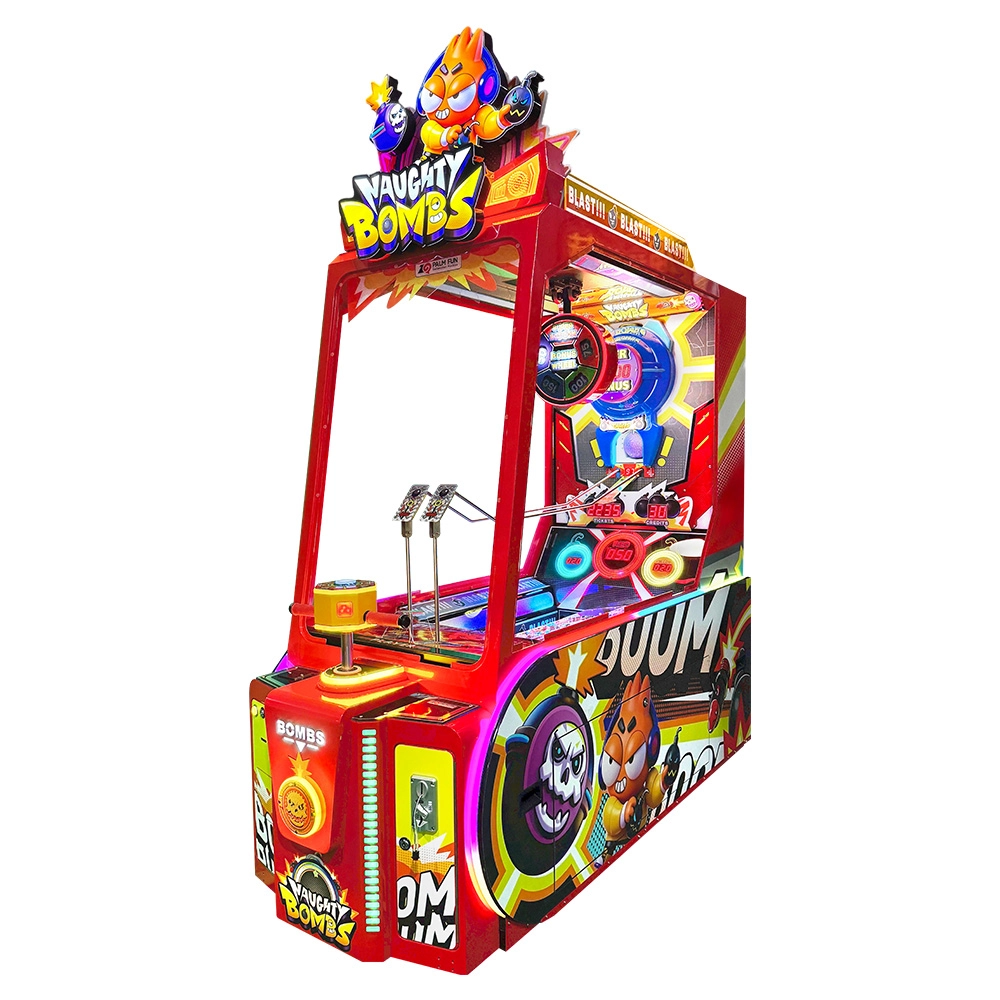
Naughty Bombs is a ball-drop redemption arcade game featuring rolling-ball gameplay, colored targets, ticket prizes, surprise bonus rewards, lighting and sound effects. Players use timing to launch and drop balls toward colored target areas. The product is presented for arcade, family entertainment center and other entertainment-venue projects, with customizable 110V / 220V AC voltage configuration.
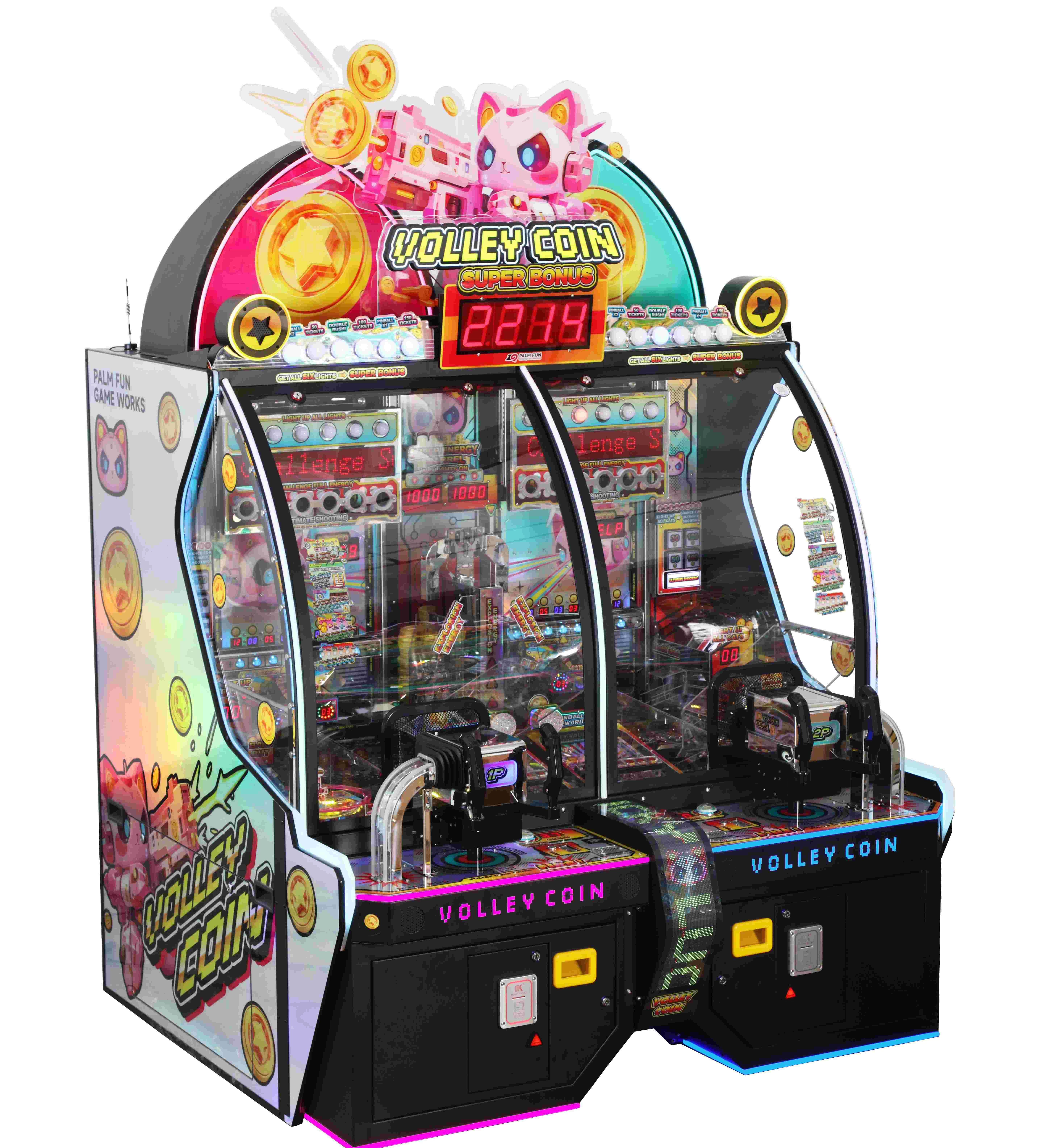
Volley Coin is an innovative arcade ticket redemption machine developed by Palm Fun Electronics. Combining the excitement of a fast-paced token shooter game with the proven earning power of a traditional coin pusher machine, Volley Coin offers a fresh and engaging gameplay experience that appeals to players of all ages.
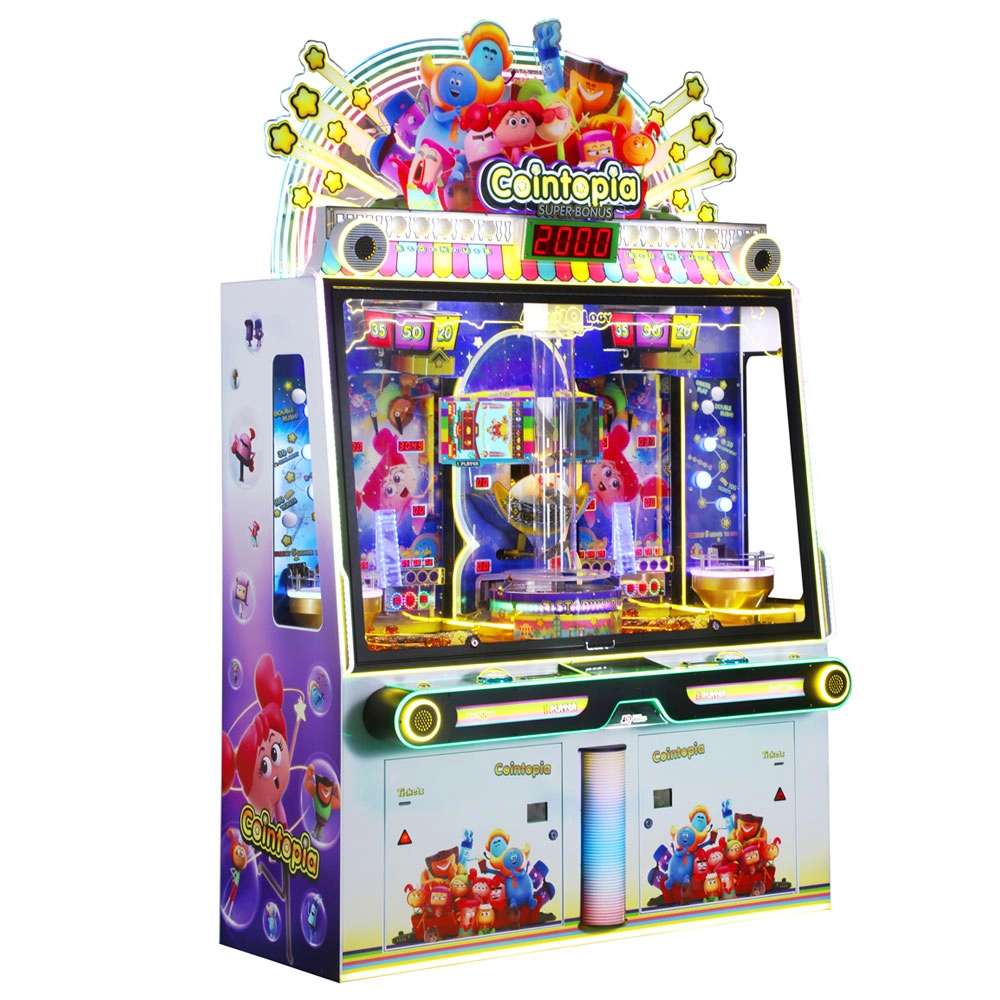
COINTOPIA by PALM FUN is an exciting redemption game machine where players enjoy fun with zodiac buddies in a utopia setting. This ticket redemption machine offers engaging gameplay and rewarding experiences, perfect for family entertainment centers and arcades seeking top-quality redemption games.

The Larva Series is a four-player mechanical coin-pusher ticket redemption game featuring LARVA-themed gameplay, surprise rewards, a rising Super Bonus and competitive prize gameplay.

Copyright © 2026 PALM FUN All Rights Reserved. | Privacy Policy • Terms and Conditions | Sitemap
palmfunarcade
Palm Fun Arcade Game
Whatsapp: +8618126837443
PalmFun Arcade
PalmFun_Arcade
PALM FUN Redemption Machine